Tbilisi – Part Three
A Memorable Morning with a Driver-Guide
The Dry Bridge Flea Market
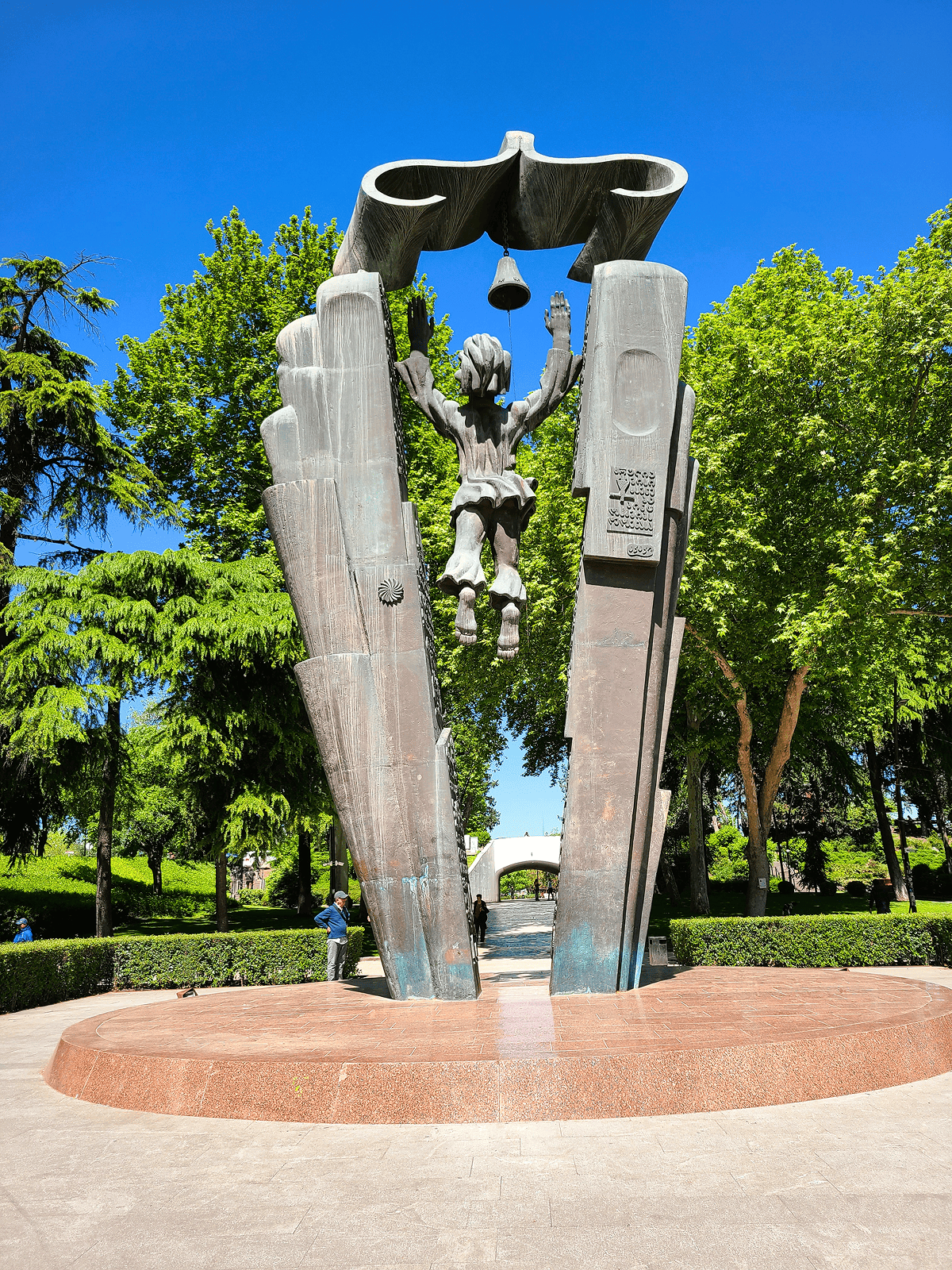
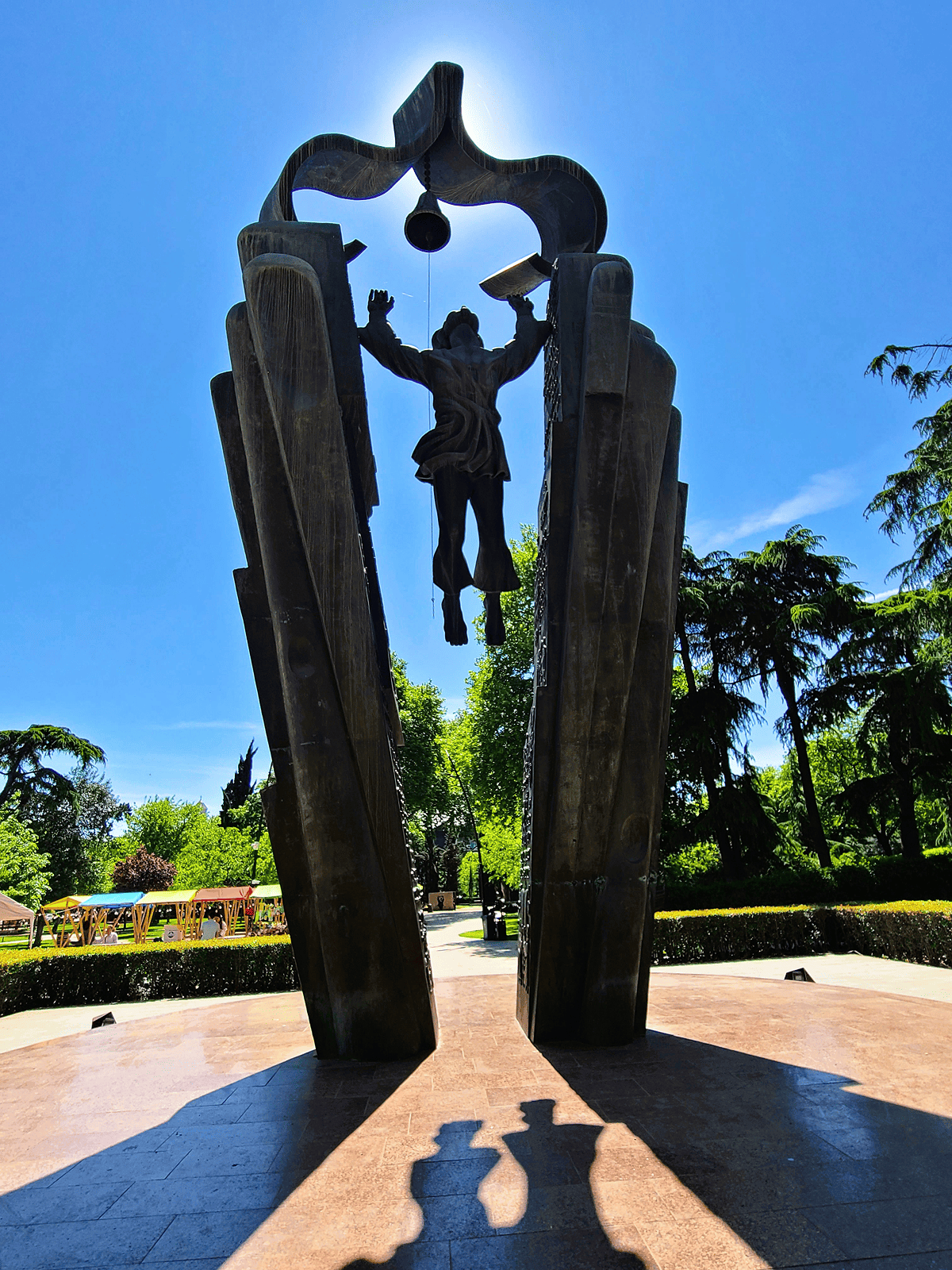
As you enter Deda Ena Park from the parking area, you are greeted by the striking Deda Ena statue, which commemorates the historic 1978 protests when thousands of Georgians rallied to preserve Georgian as their nation’s official language amid Soviet efforts to replace it with Russian. During the Russian occupation, Russian was a compulsory language taught in schools. Today, English has replaced Russian as Tbilisi’s second language.
Statues are abundant in Tbilisi’s streets and gardens. It’s like an outdoor museum, making walks through the parks and neighborhoods all the more special.
The market unfolds in the expansive park, where towering trees create an oasis of shade. Talented artists display their paintings beneath a leafy canopy.
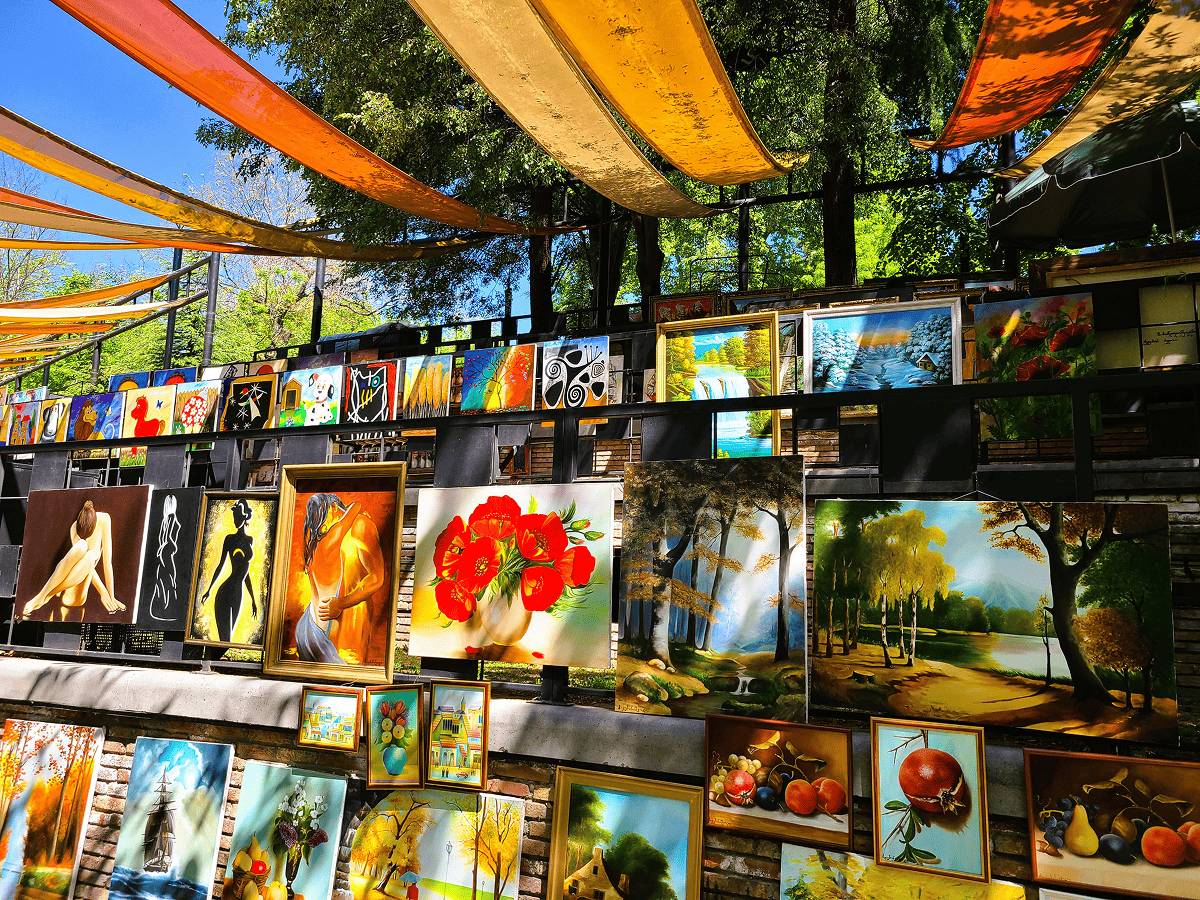
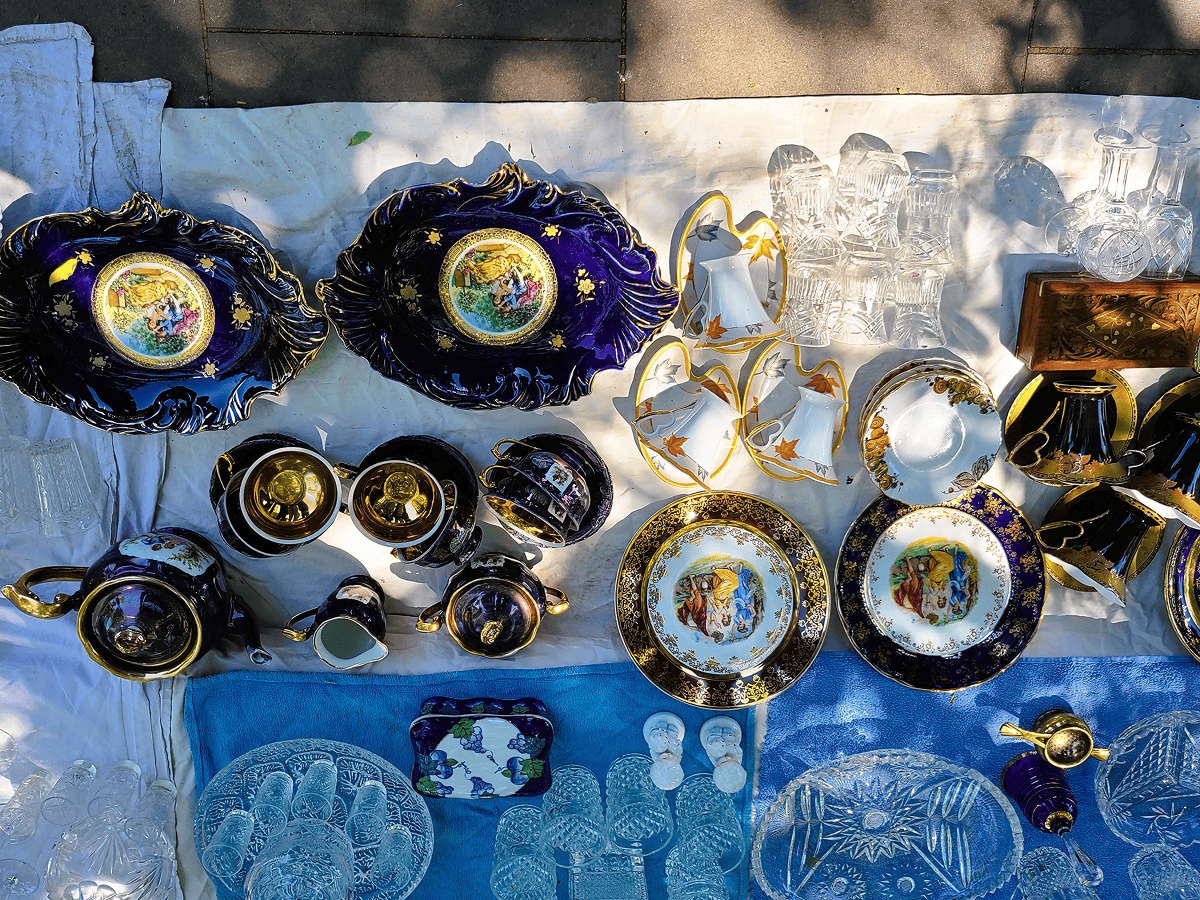
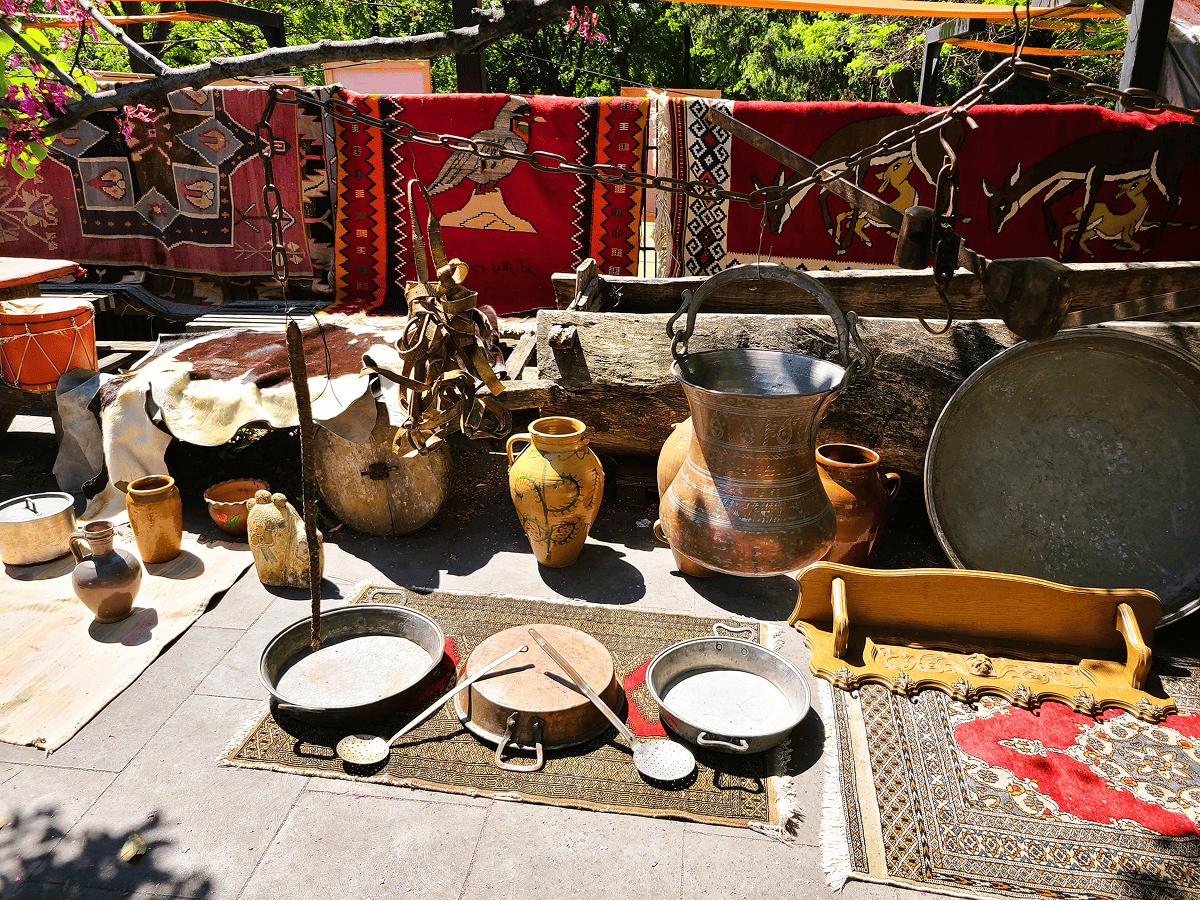
Vendors offer an array of treasures, from complete sets of antique cutlery to elegant jewelry, crockery, old coins, and fine ceramics. Unlike the hodgepodge of many flea markets, the goods here are thoughtfully displayed and remarkably well preserved.
**(The market is open daily.)
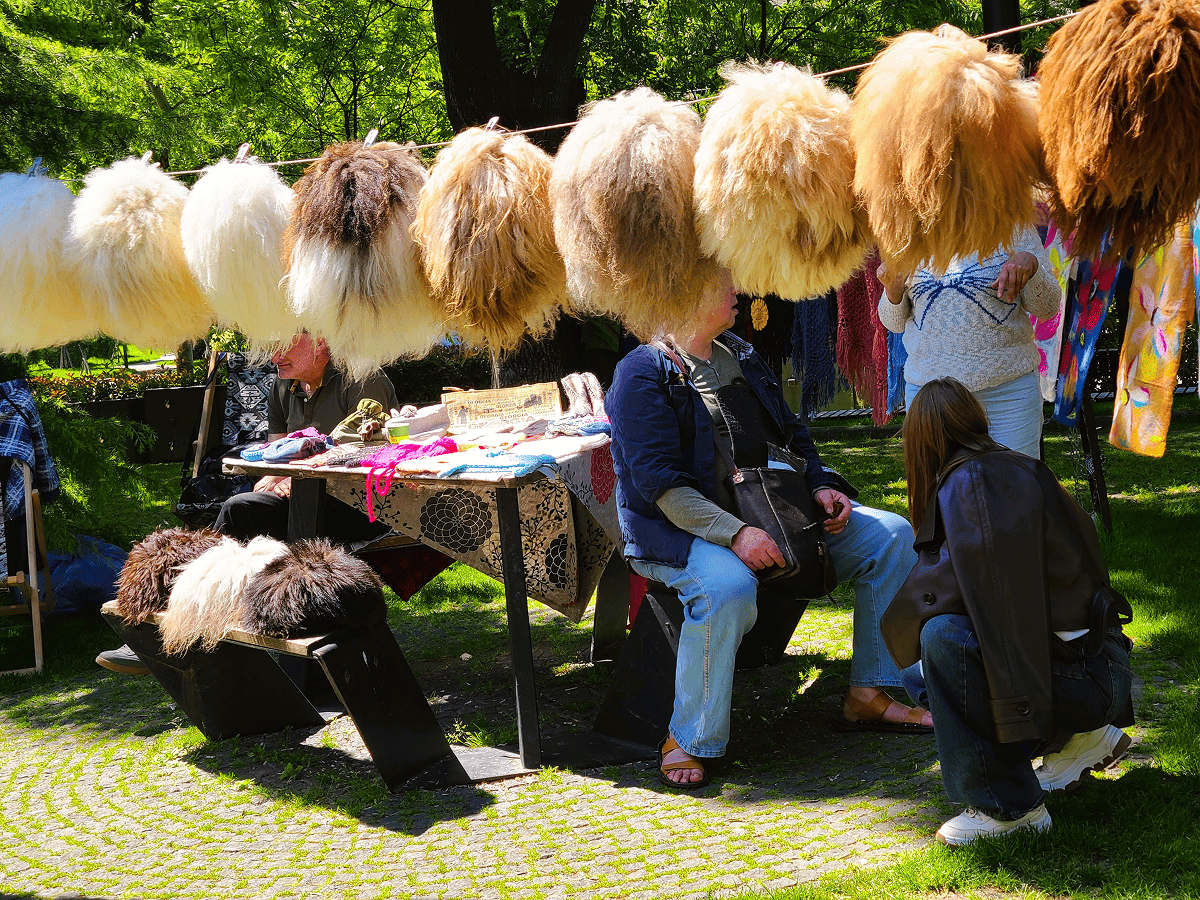
If you wish to take home a distinctive piece of Georgia, seek out the white papakha stall. Papakhas are the round, fluffy hats traditionally worn throughout the Caucasus, particularly in rural areas. Crafted from pure white sheepskin, they once symbolized manhood and honor. Today, they are worn mainly during festivals and other cultural celebrations, making them both a memorable souvenir and a link to Georgia’s rich heritage.
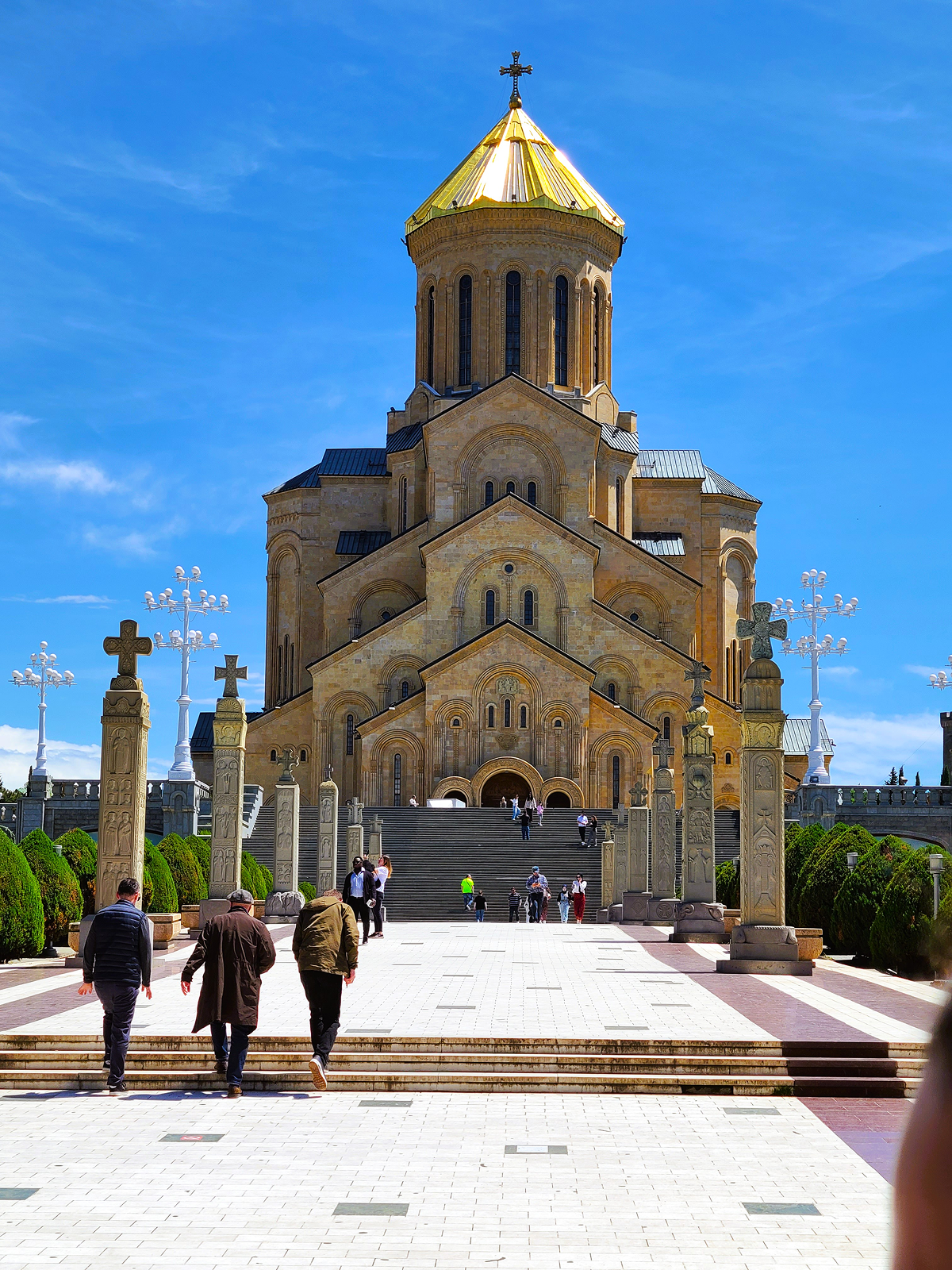
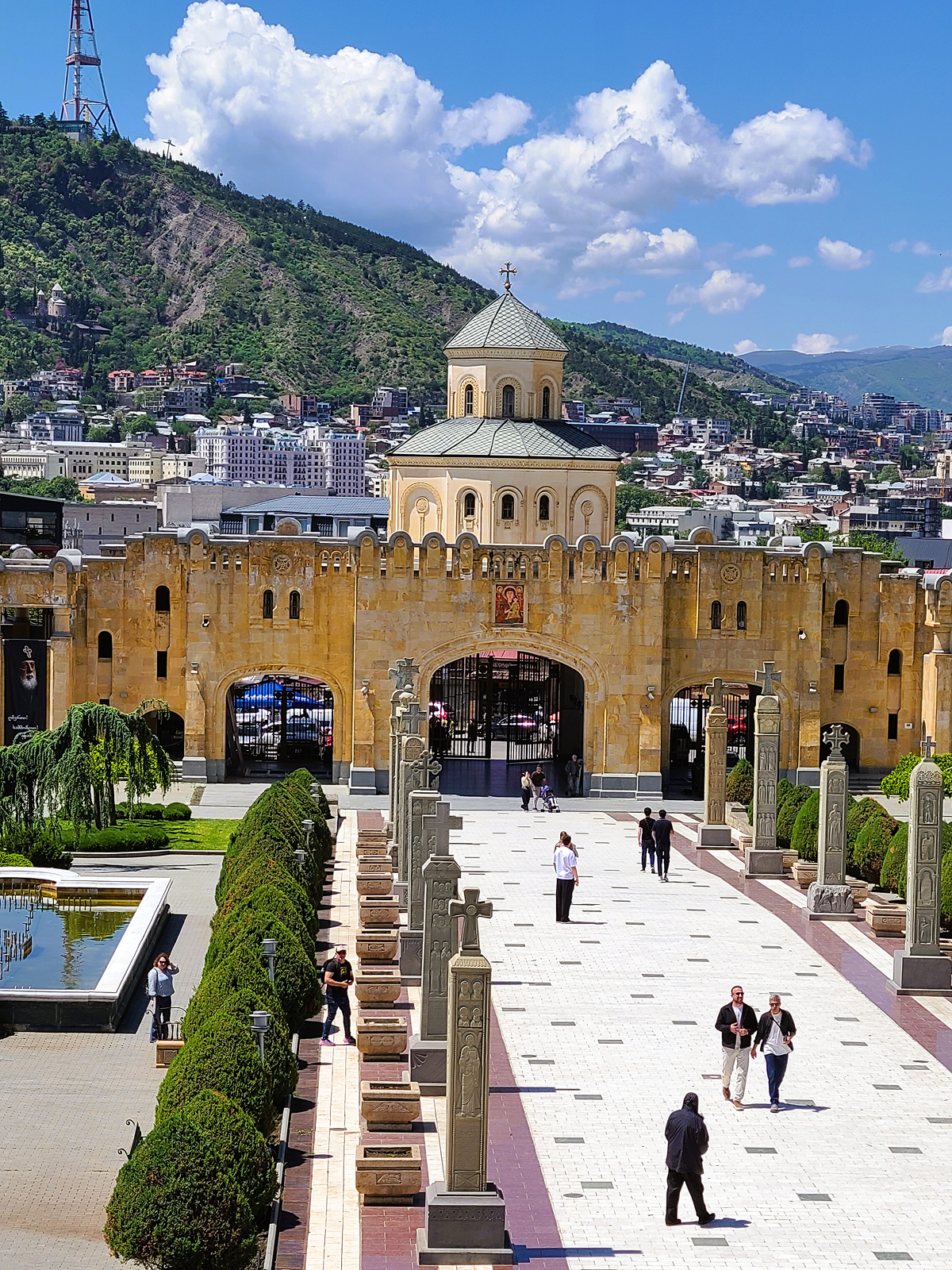
The Holy Trinity Cathedral of Tbilisi, completed in 2004, is a harmonious blend of Byzantine and traditional Georgian architectural styles. It crowns a hilltop with sweeping panoramic views of the city and can be seen from miles away. Its exterior appears to be constructed in four graceful tiers, culminating in a pointed golden dome that shimmers in the sunlight. The interior frescoed walls are still a work in progress.
The Chronicle of Georgia
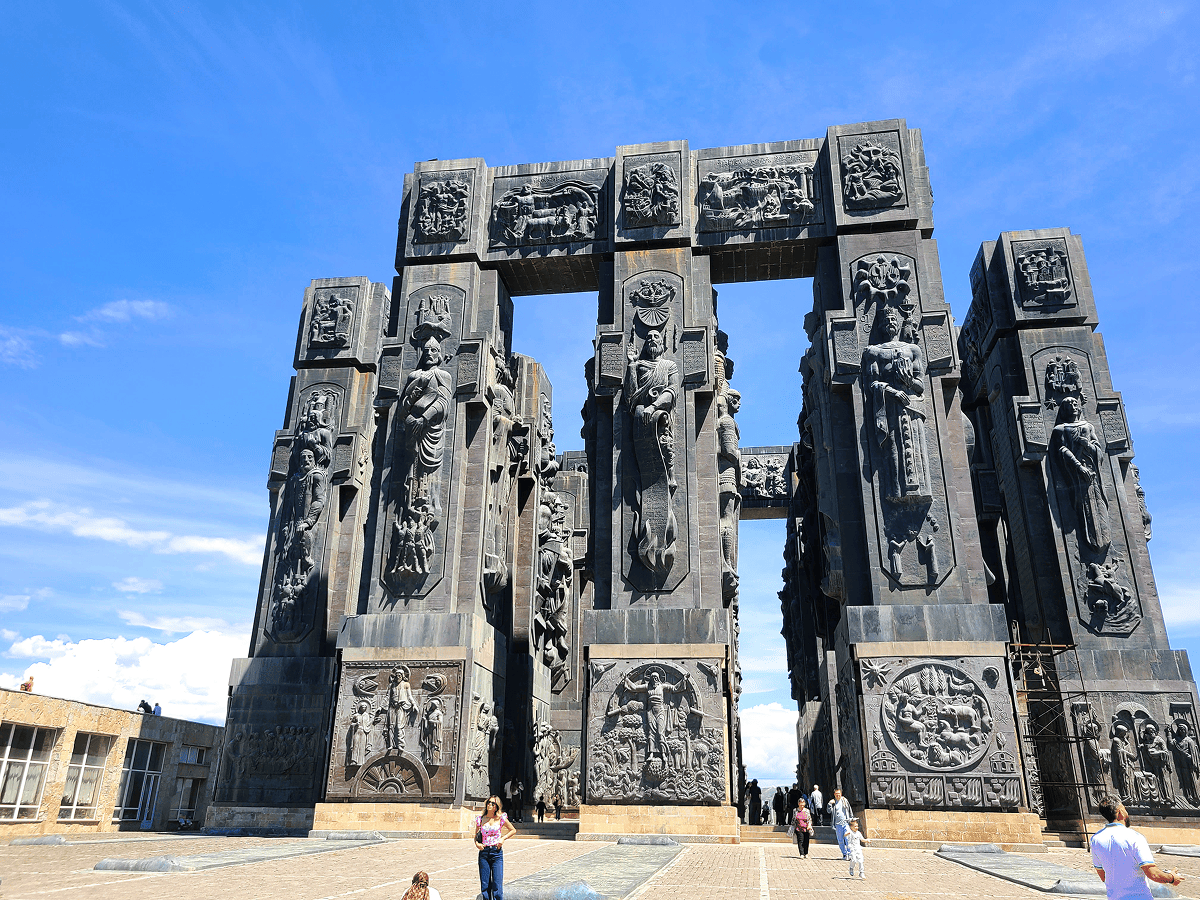
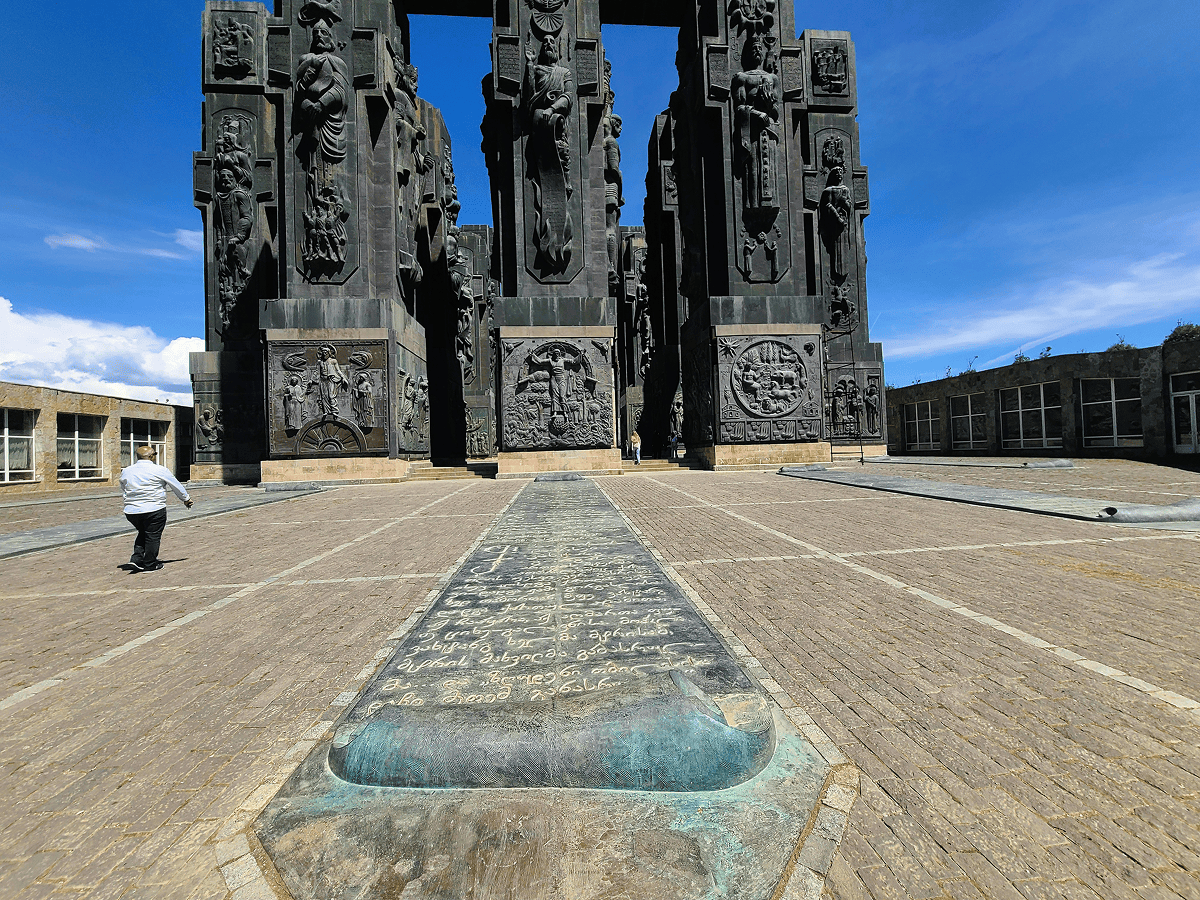
The Chronicle of Georgia is an unforgettable landmark. Made of bronze, copper, and stone, it stands on Keeni Hill overlooking the city and the Tbilisi Reservoir. Massive and mysterious, it seems to have emerged from a fantasy world. It’s reminiscent of an ancient temple, but is entirely unique.
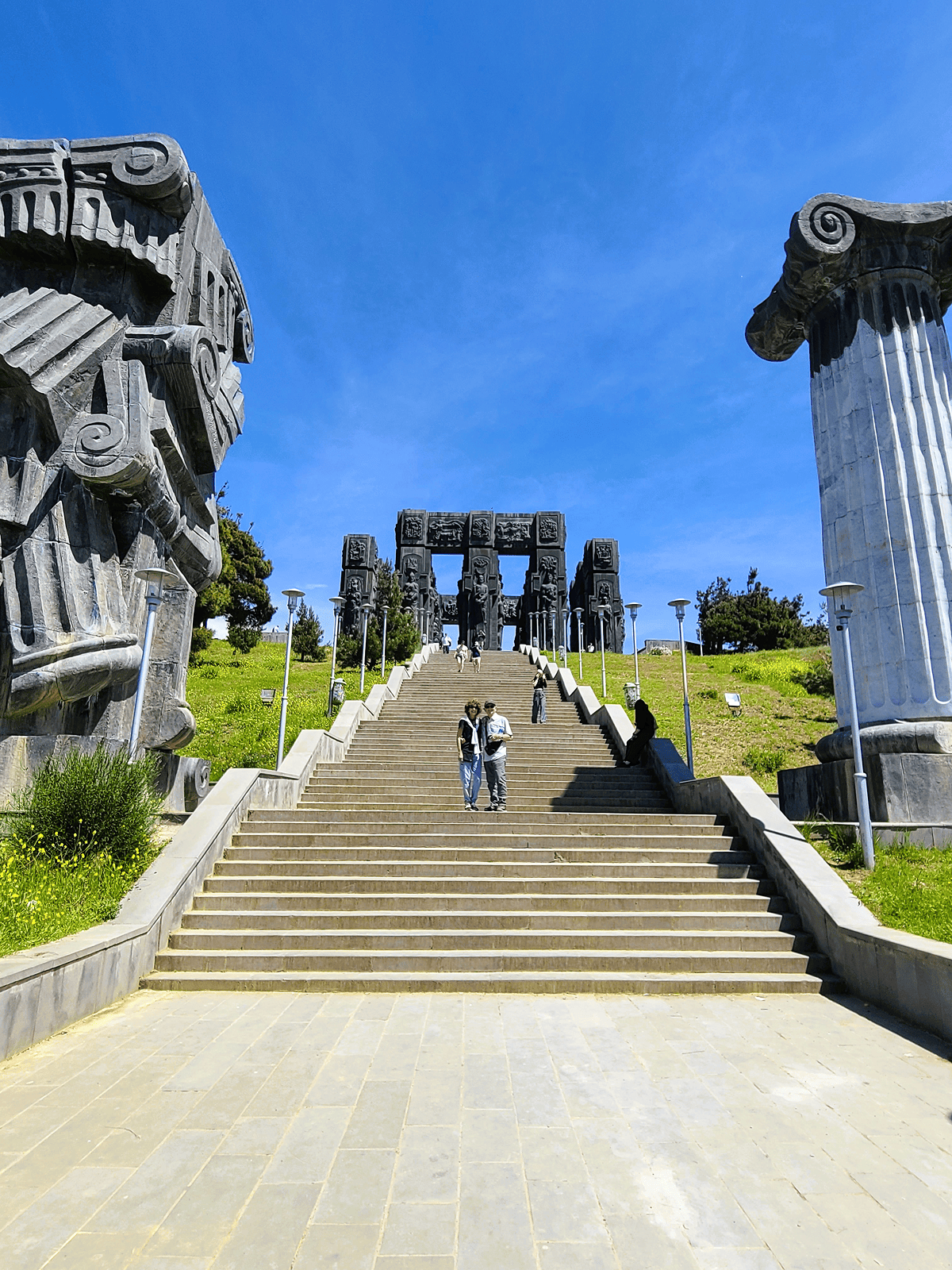
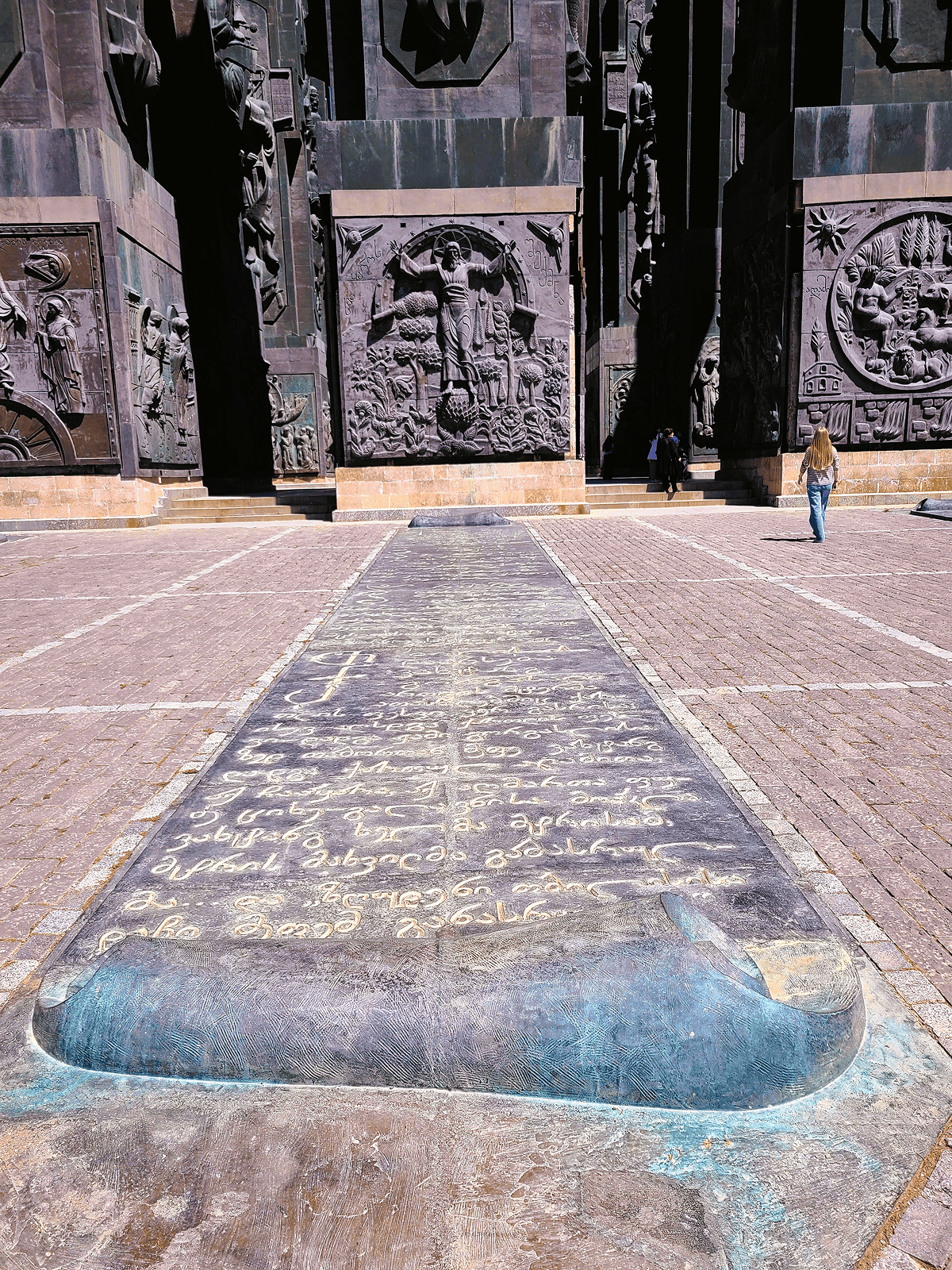
The monument consists of sixteen colossal pillars, approximately thirty-five meters (one hundred fifteen feet) high. The upper sections are adorned with bas-reliefs depicting kings, queens, and heroes of Georgian history. The middle sections portray scenes from everyday Georgian life, while the lower panels illustrate scenes from the life of Christ.
[The monument was designed by the famous Georgian sculptor Zurab Tsereteli. Construction began in 1985. Work has continued over the years, and the monument is still regarded as unfinished.]
The Reservoir
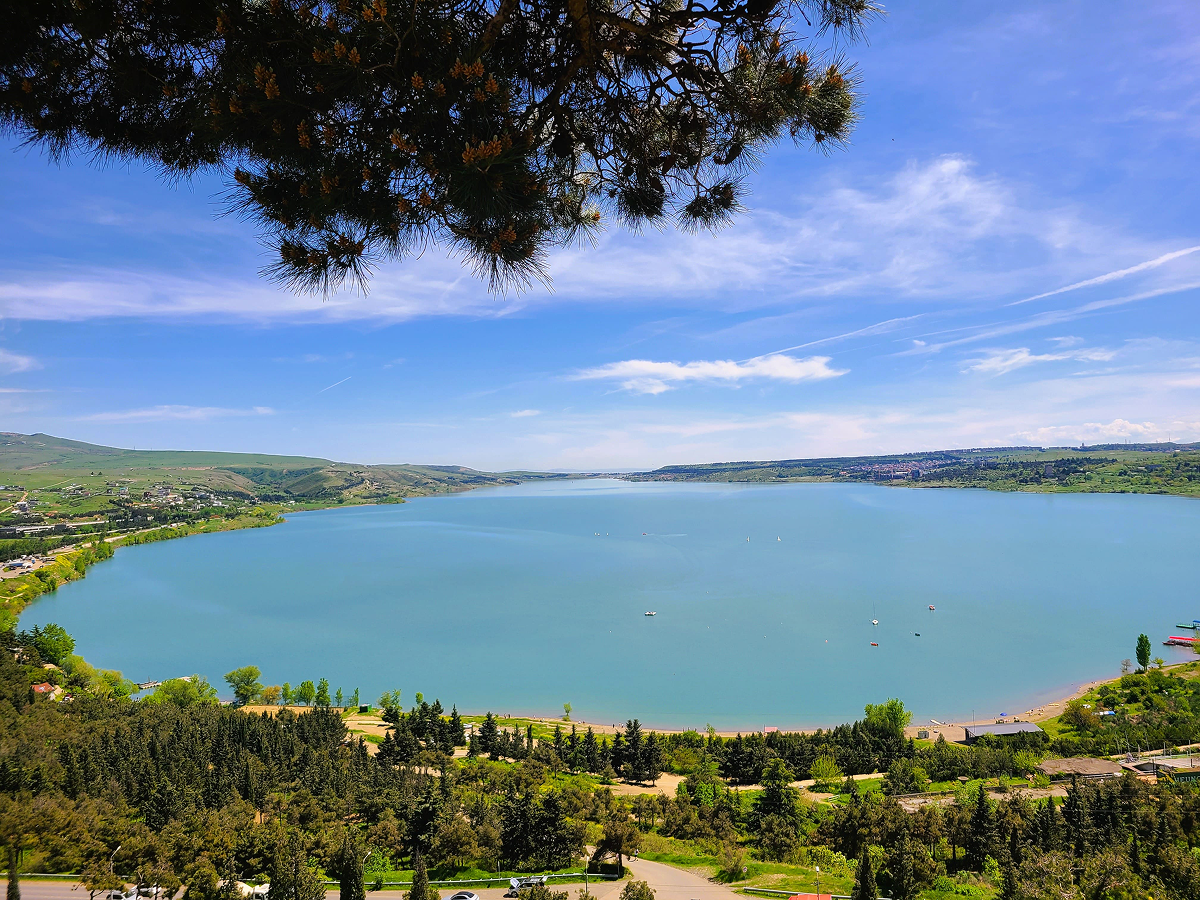
This is neither the sea nor a lake, though it could be mistaken for either. This man-made Reservoir was built in 1953 to supply Tbilisi with water. Its size is deceptive. It stretches for nine kilometers/five and one-half miles and is three kilometers/almost two miles wide. In summer it draws throngs of locals and visitors who kayak, picnic, swim, fish, and bask in the sunshine.
High up on Keeni Hill, the monumental Chronicle of Georgia commands an unobstructed, spectacular view of the Reservoir.