
Bhutan
Bhutan is known as the country of happiness, where people live by the Buddhist mantra: “Om, Mani, Padme, Hum.” It is ingrained in their daily lives.
Om – purifies the body, speech, and mind.
Mani – represents kindness, love, and enlightenment.
Padme – the lotus flower that represents wisdom.
Hum – compassion and wisdom.
The people are warm, welcoming, and kind. They smile, they’re polite, helpful, and proud of their country.
Bhutan is the ideal destination for a repose from the stresses of daily life in crowded, bustling cities.
We touched down at the Bhutan airport, where traditional, architecturally unique homes dot the landscape, set against lush green fields and forests. I’ve never witnessed so many passengers lingering on an airport tarmac, taking photos, instead of rushing to claim their luggage and get to the front of the customs line.
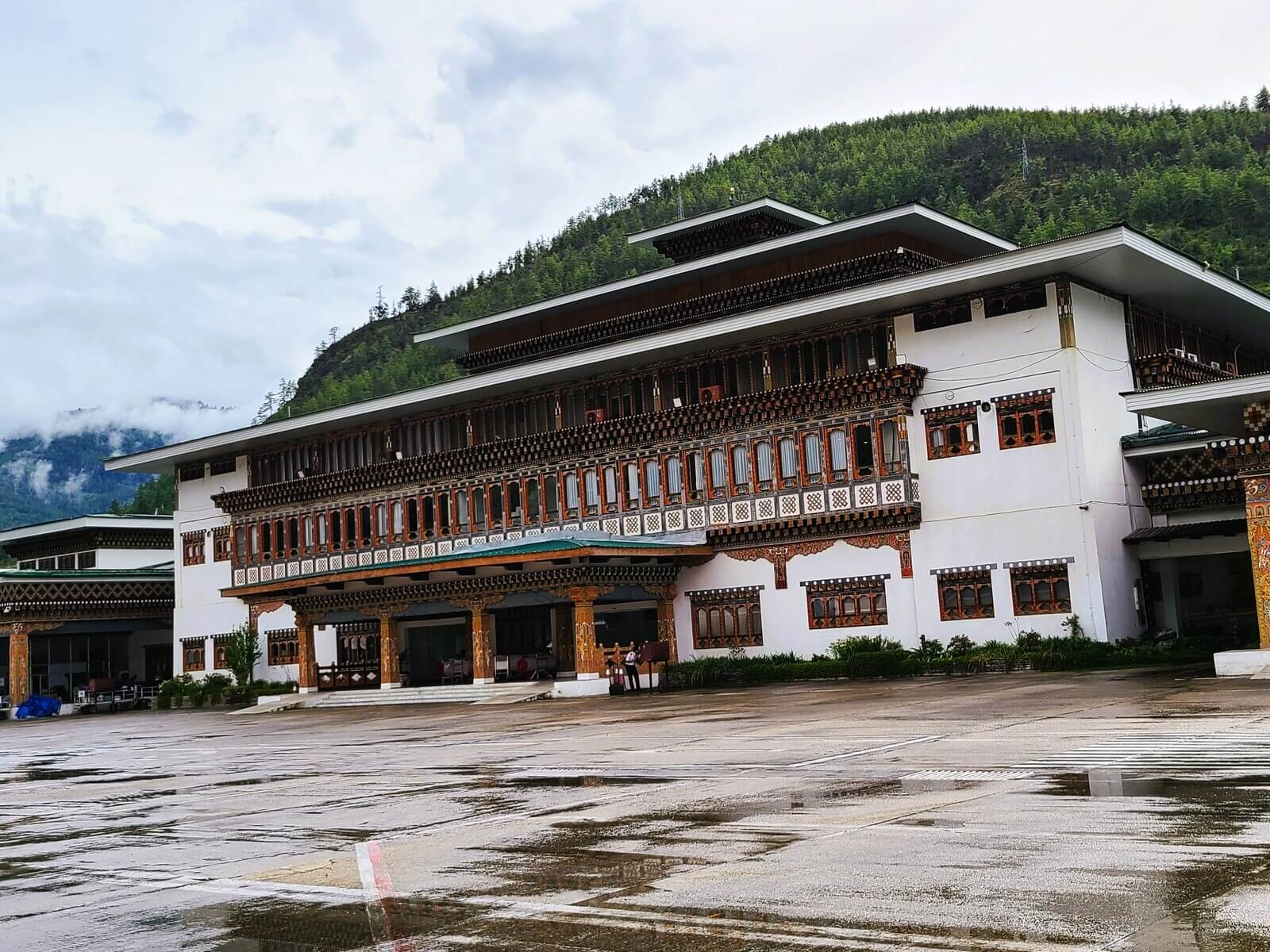
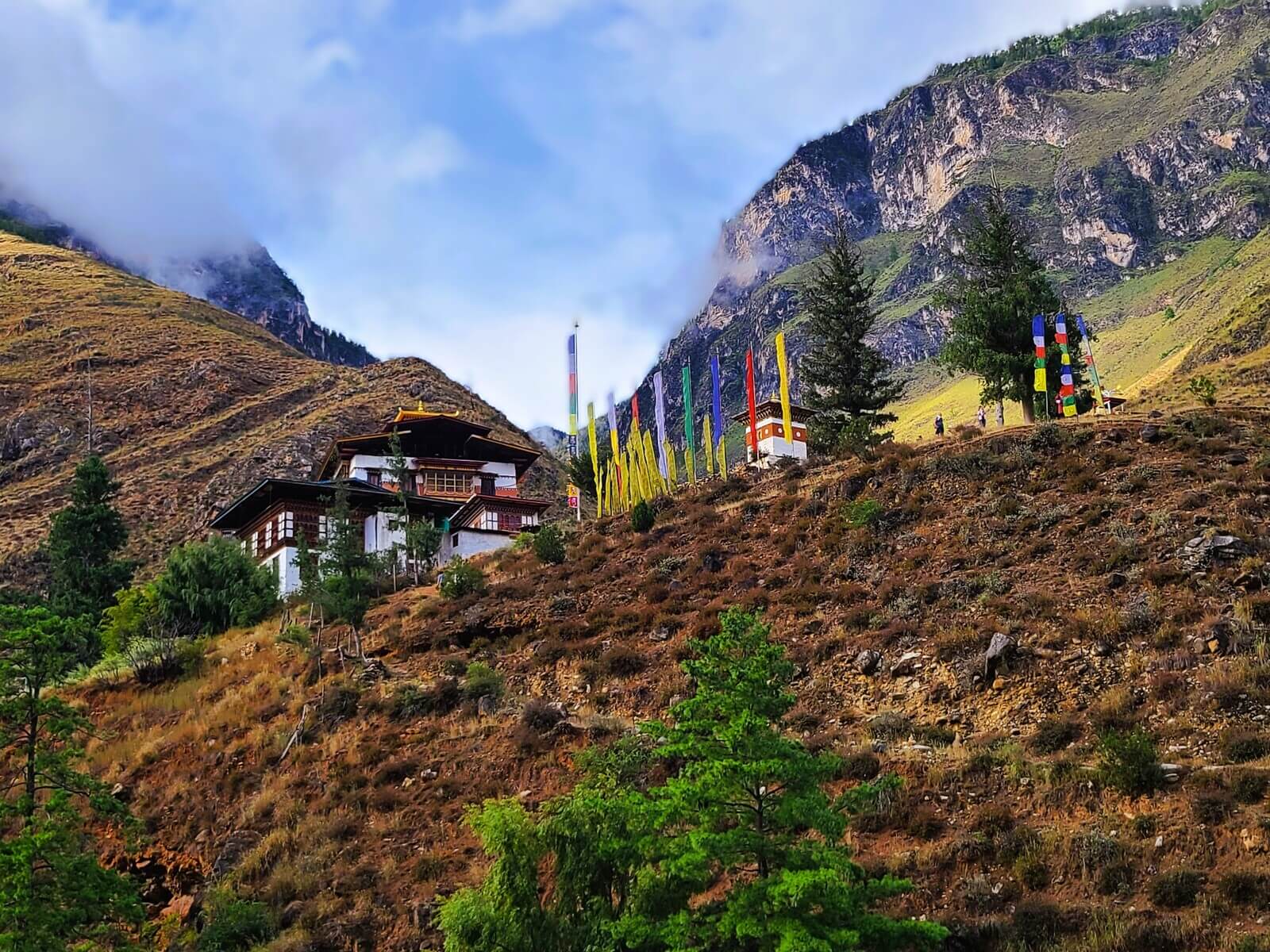
Welcome to Bhutan!
Our guide and driver, who were to become like family over the next ten days, were waiting to greet us. Coincidentally, they both had the same names; Sonem is a popular name in Bhutan. Sonem #1 was the guide, Sonem #2 was the driver.
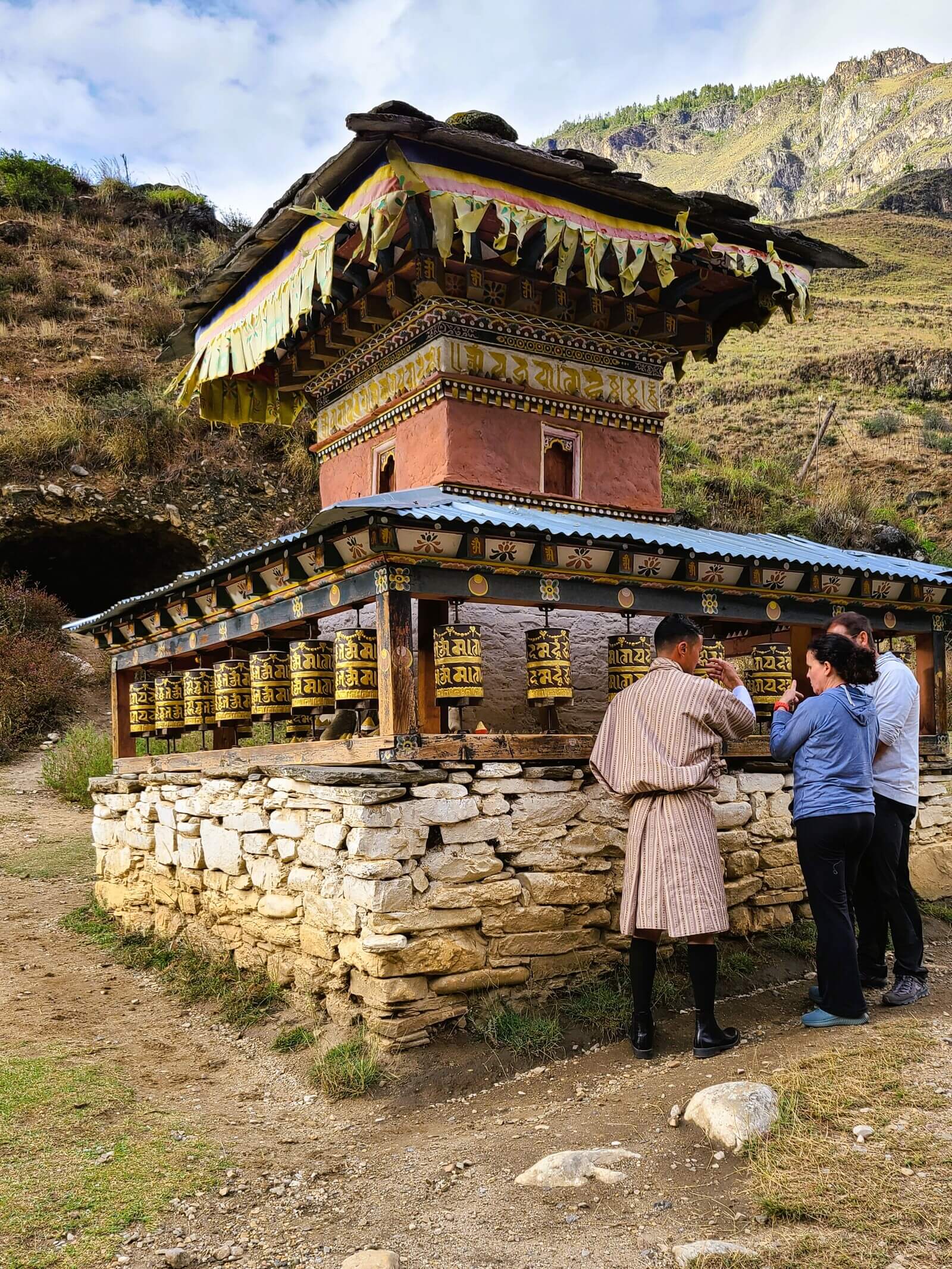
Fifteen minutes into our drive to Thimphu, the capital of Bhutan, we stopped at a traditional temple wrapped in prayer wheels. Turning the prayer wheels creates good karma and spreads blessings.
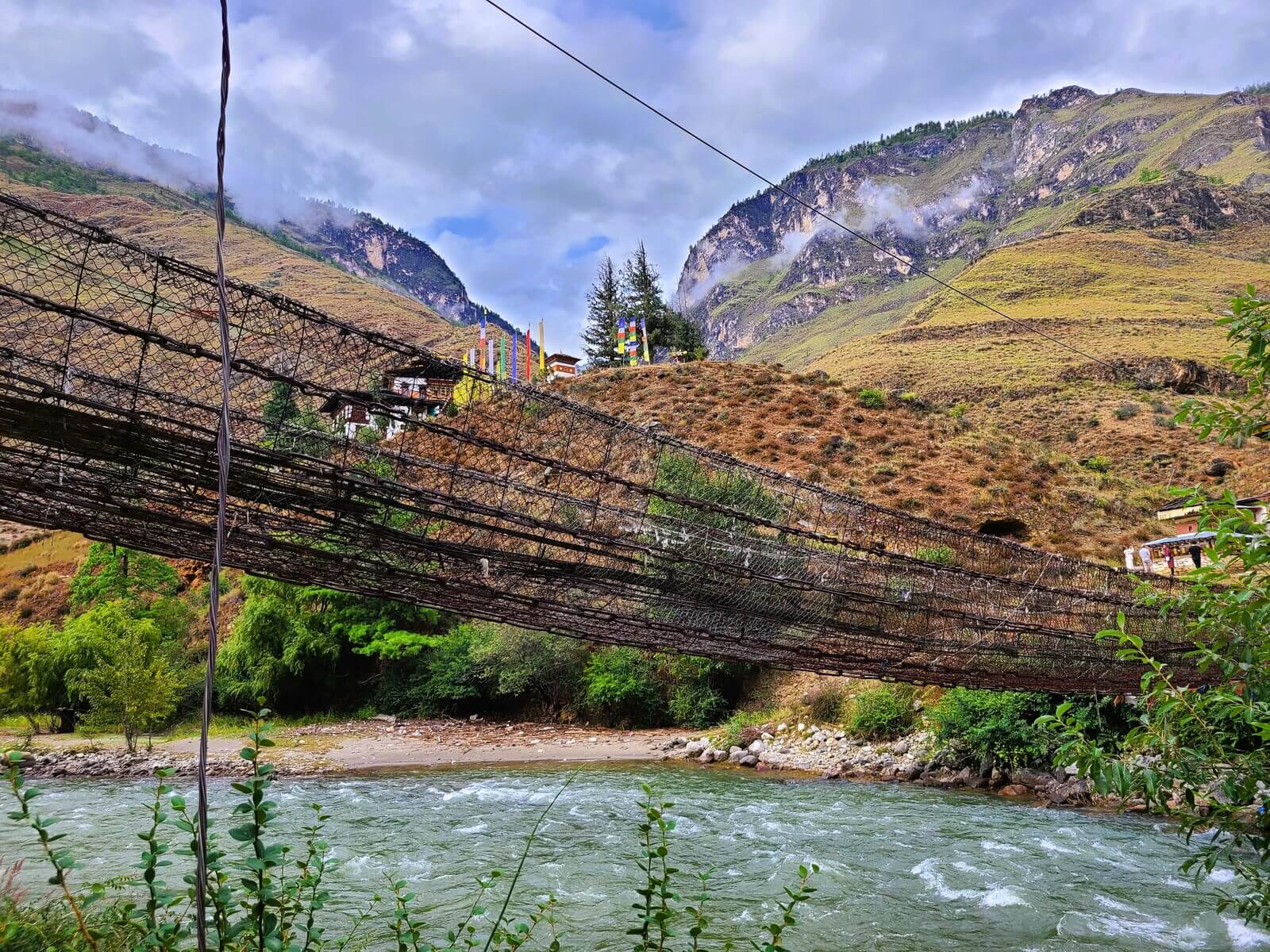
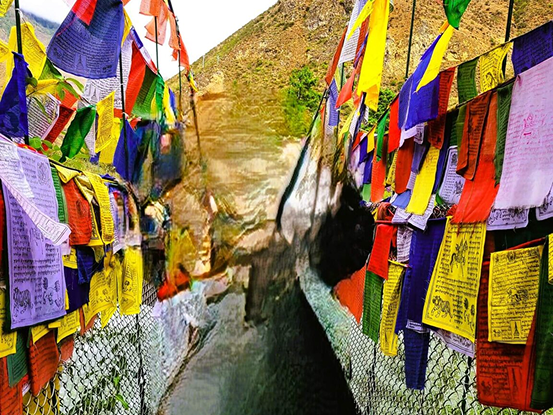
We crossed a metal bridge adorned with green, yellow, blue, red, and white flags. One frequently comes across prayer flags along the zig-zag, forested mountain passes of Bhutan.
Blue – represents the sky and space, symbolizing health and longevity.
White – represents air, symbolizing good fortune and purification of negative karma.
Red – represents fire, and fulfilling wishes.
Green – represents water, symbolizing harmony, compassion, balance, and healing.
Yellow – represents earth, symbolizing stability, fertility, and victory over obstacles.
Thimphu- the capital of Bhutan.
Fierce storms are not common in early October, but the rain came down in buckets, flooding the streets of Thimphu overnight. With only one full day in Thimphu, there was no time to waste. We donned waterproof raingear. Sonem #2 drove steadily and confidently through the muddy high waters. Unfazed by the storm, he maneuvered his way around blind mountain bends, never losing his cool. Safety is his primary mantra.
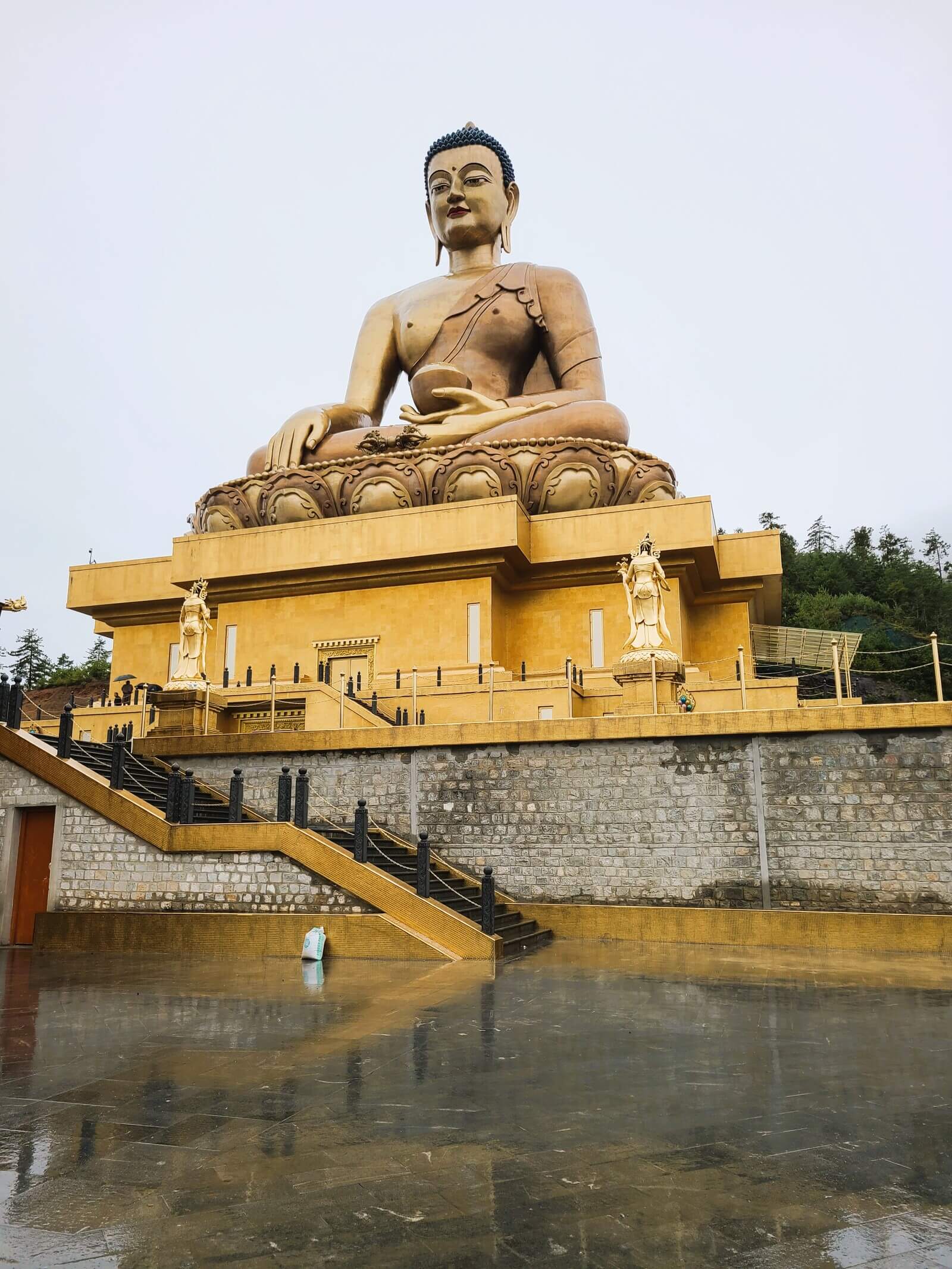
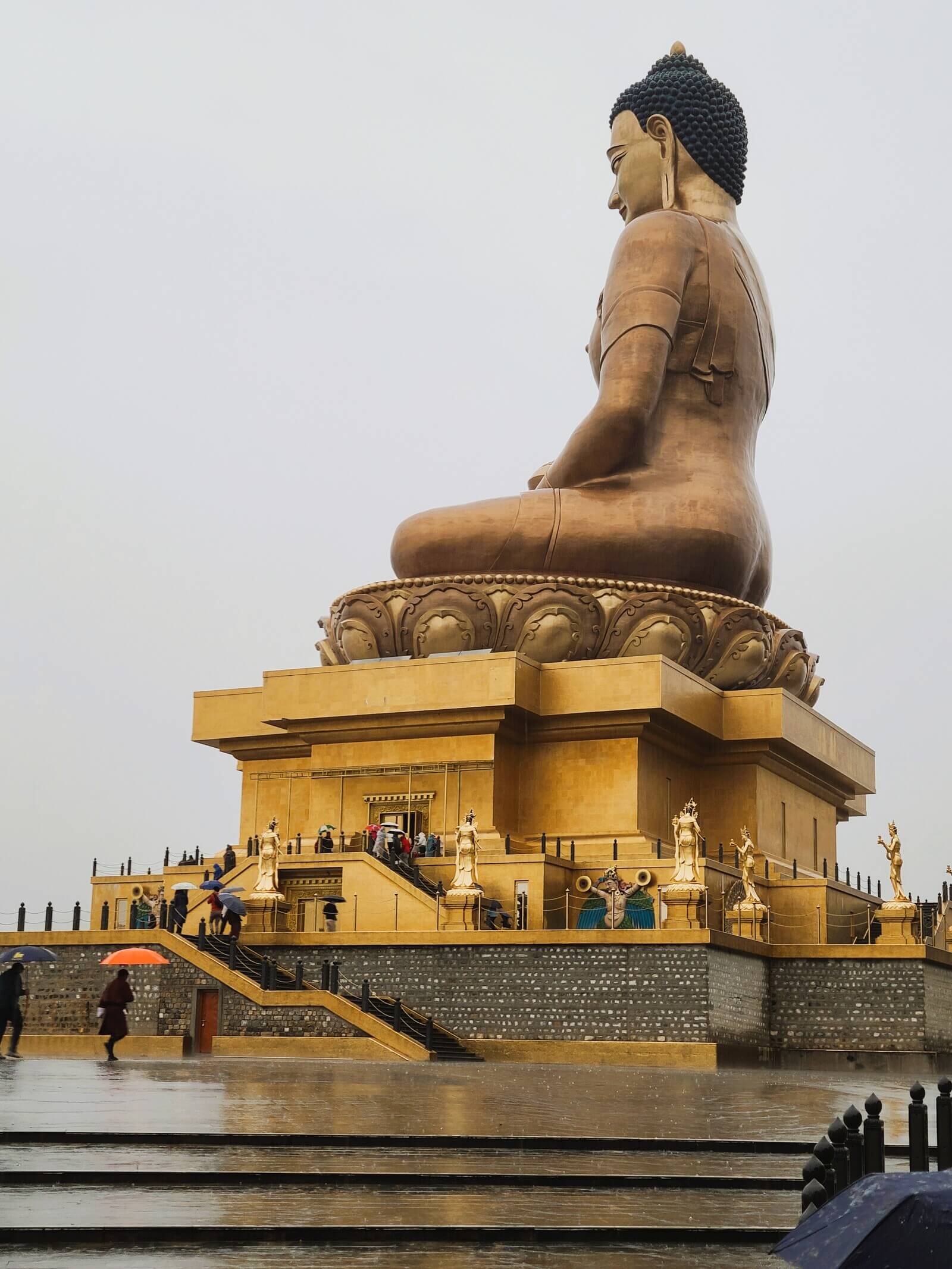
A monumental Golden Buddha statue sits on a mountain presiding over Thimphu, which nestles in the valley below. Buddha Dordenma is 177 ft (54 m) high. He’s made of bronze, and gilded in gold, and is believed to bless Bhutan with peace and happiness. Within the Buddha structure sit over one hundred thousand smaller Buddha statues, while painted murals on the walls of the expansive Meditation Hall depict the most important periods of Buddha’s life: his birth, renunciation of a royal lifestyle, his meditation under a Bodhi tree, and victory over temptation.
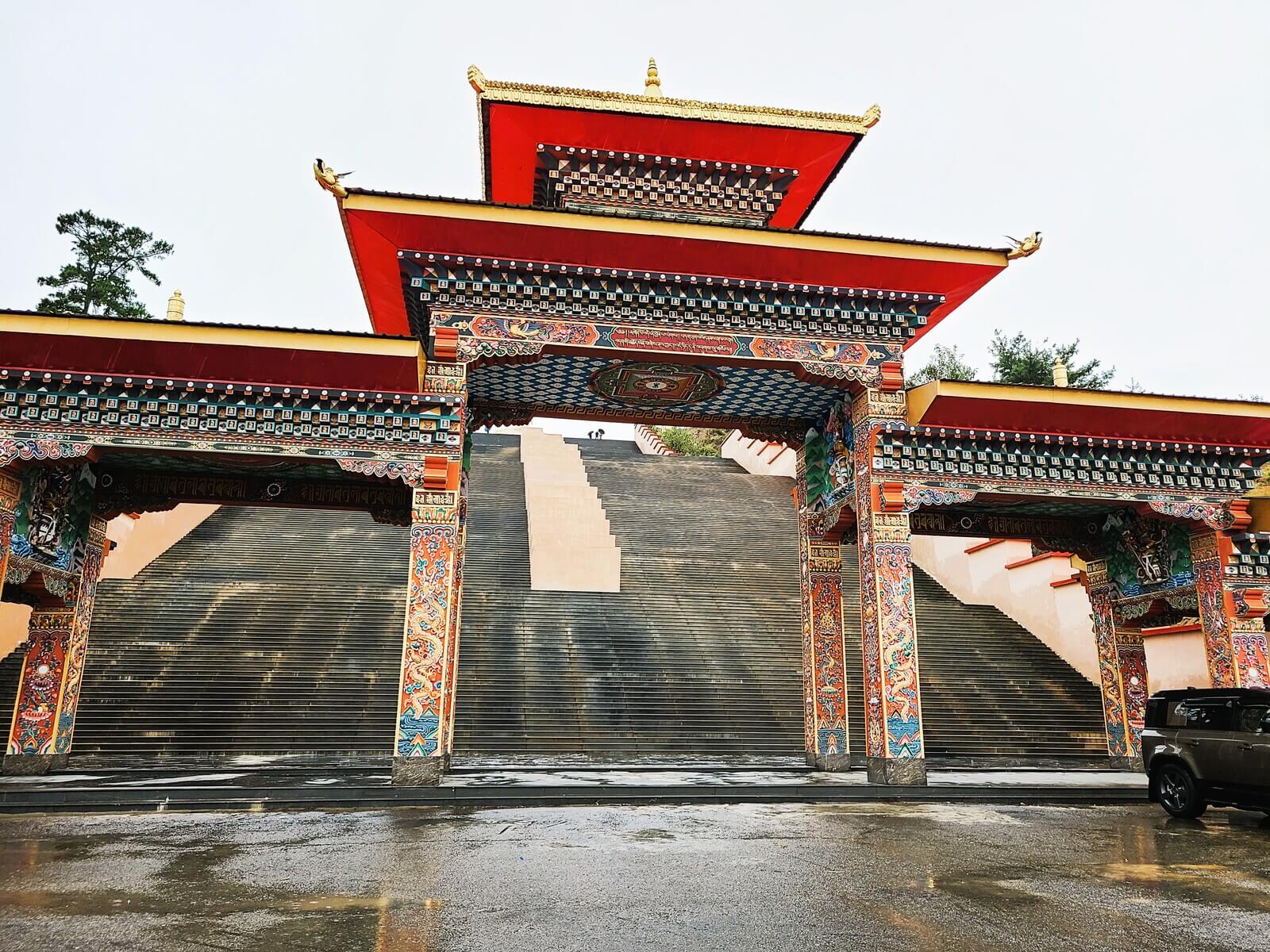
On the way up to the Golden Buddha, there is an intricately carved, colorful, traditional, tiered archway leading to a steep, long stairway. It’s a grand entrance to the Golden Buddha statue, which is a revered center for meditation and worship.
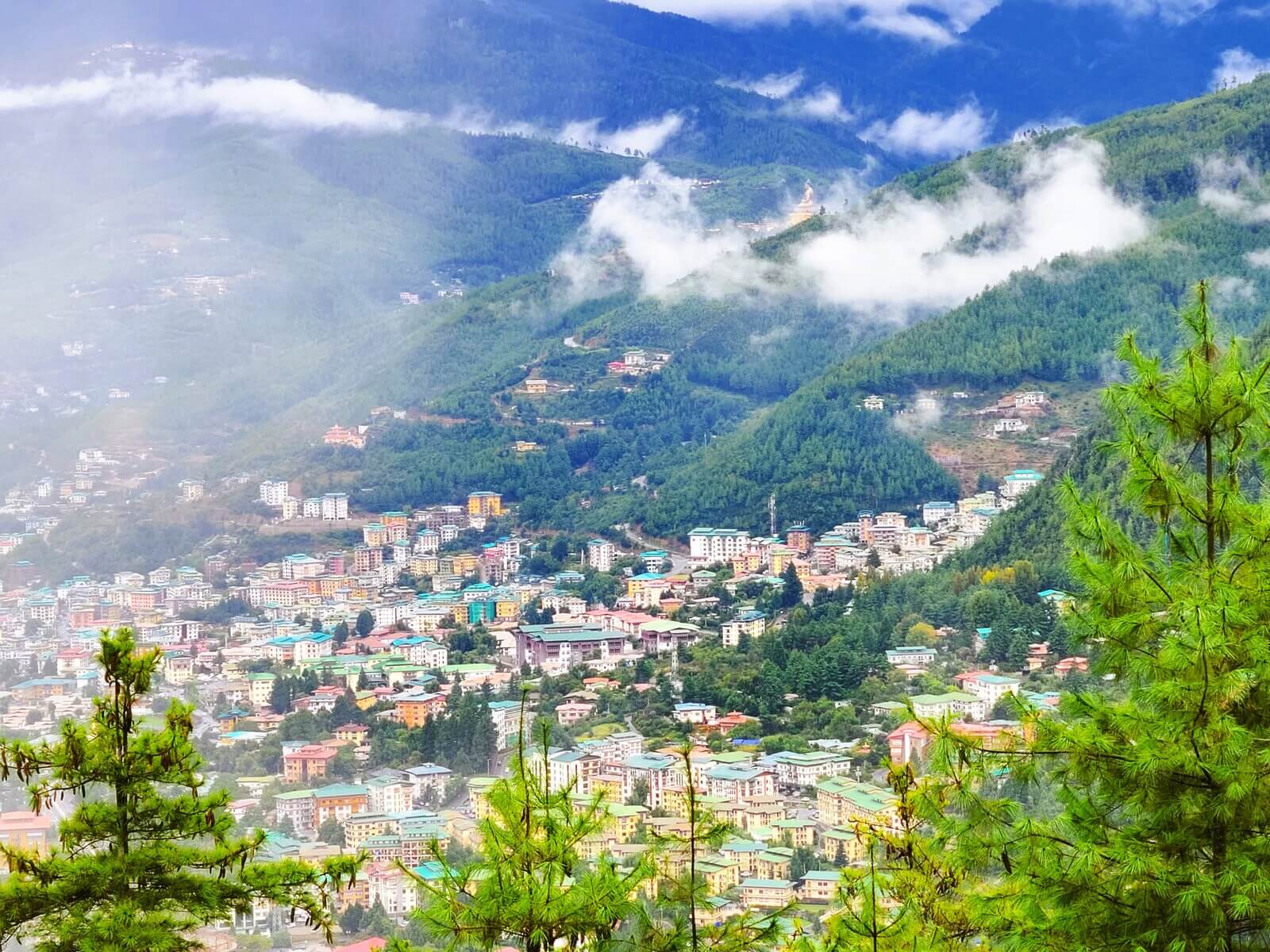
As the narrow mountain road winds down to Thimphu, one gets spectacular views of the town set against a backdrop of fertile forests, floating clouds, and a valley populated with buildings capped with pink and green rooftops. The colors were mandated by the local government. Green roofs for private residential and commercial buildings, and red roofs identifying government, institutional, and religious buildings. As with everything in Bhutan, there is a sound reason for this rule: the rooftops should blend into the surrounding natural landscape.
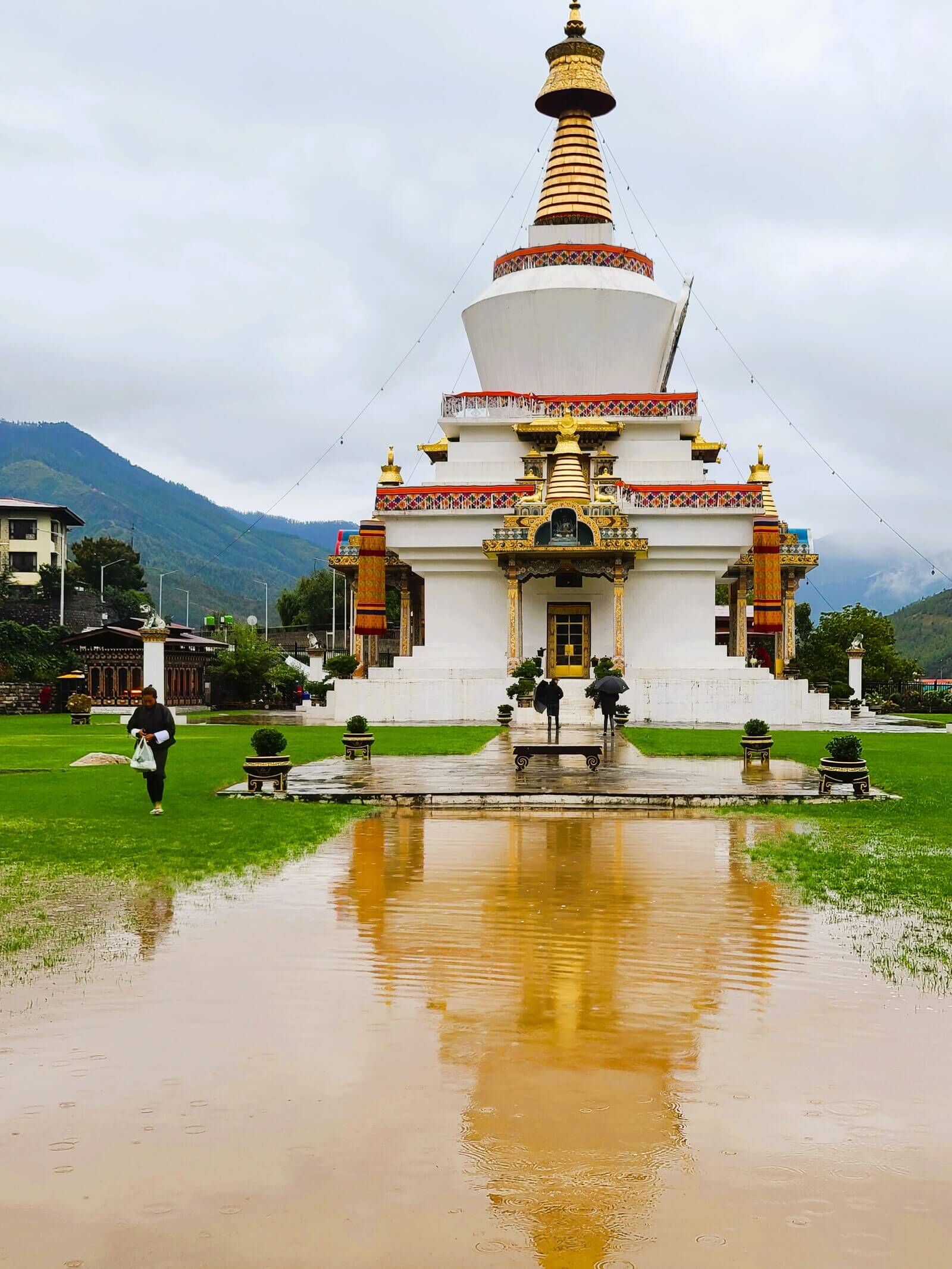
Back to the center of Thimphu, where the National Memorial Chorten – stupa rests on a carpet of green grass. Unfortunately, on the day we visited, it was sitting in a pool of mud. Built in a Tibetan style, it honors the third Dragon King and is dedicated to world peace. Locals and visitors walk clockwise as they spin the prayer wheels and chant the mantra “Om, Mani, Padme, Hum.” By spinning the prayer wheels, they activate the thousands of prayers inside the wheels.
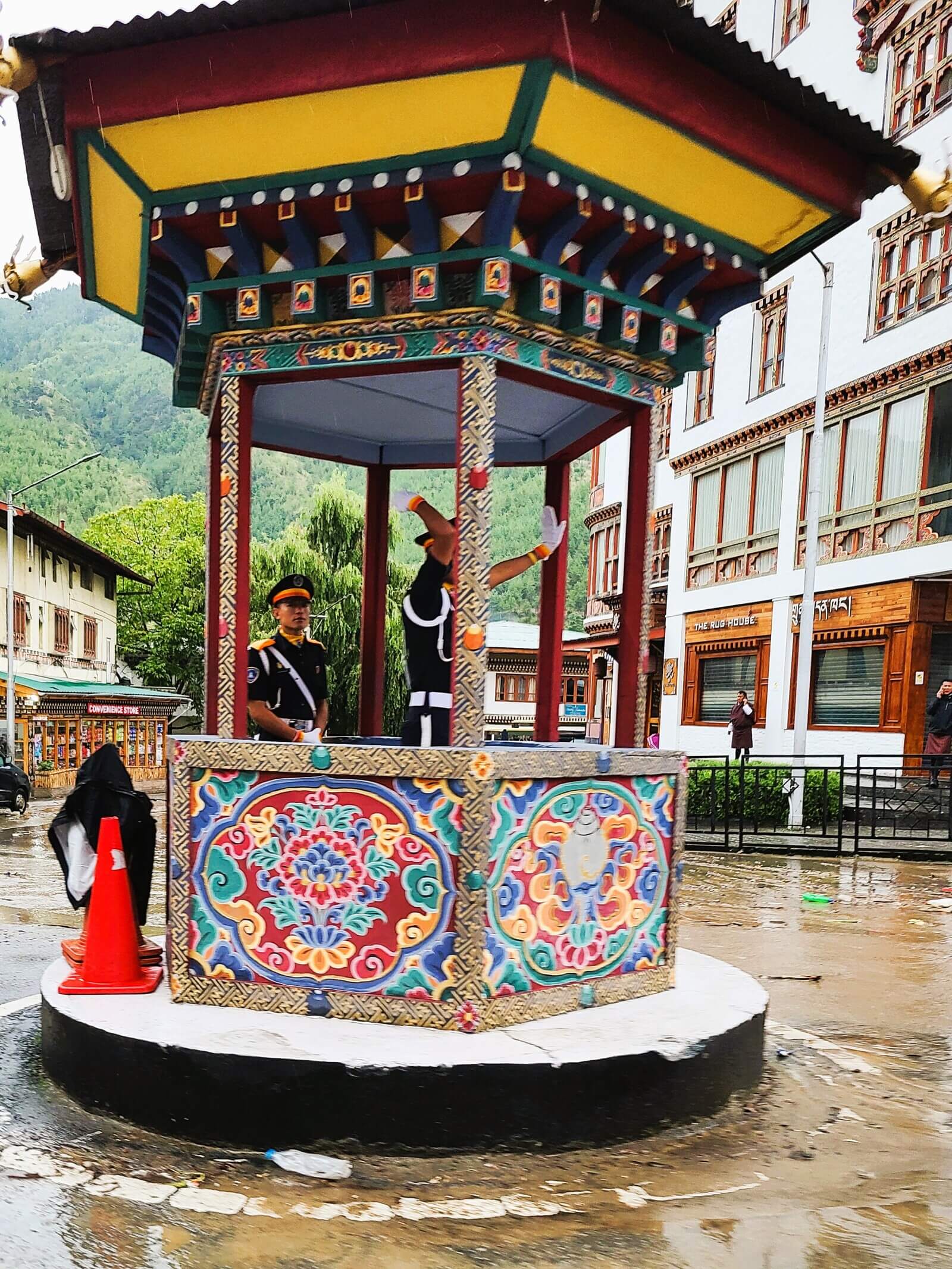
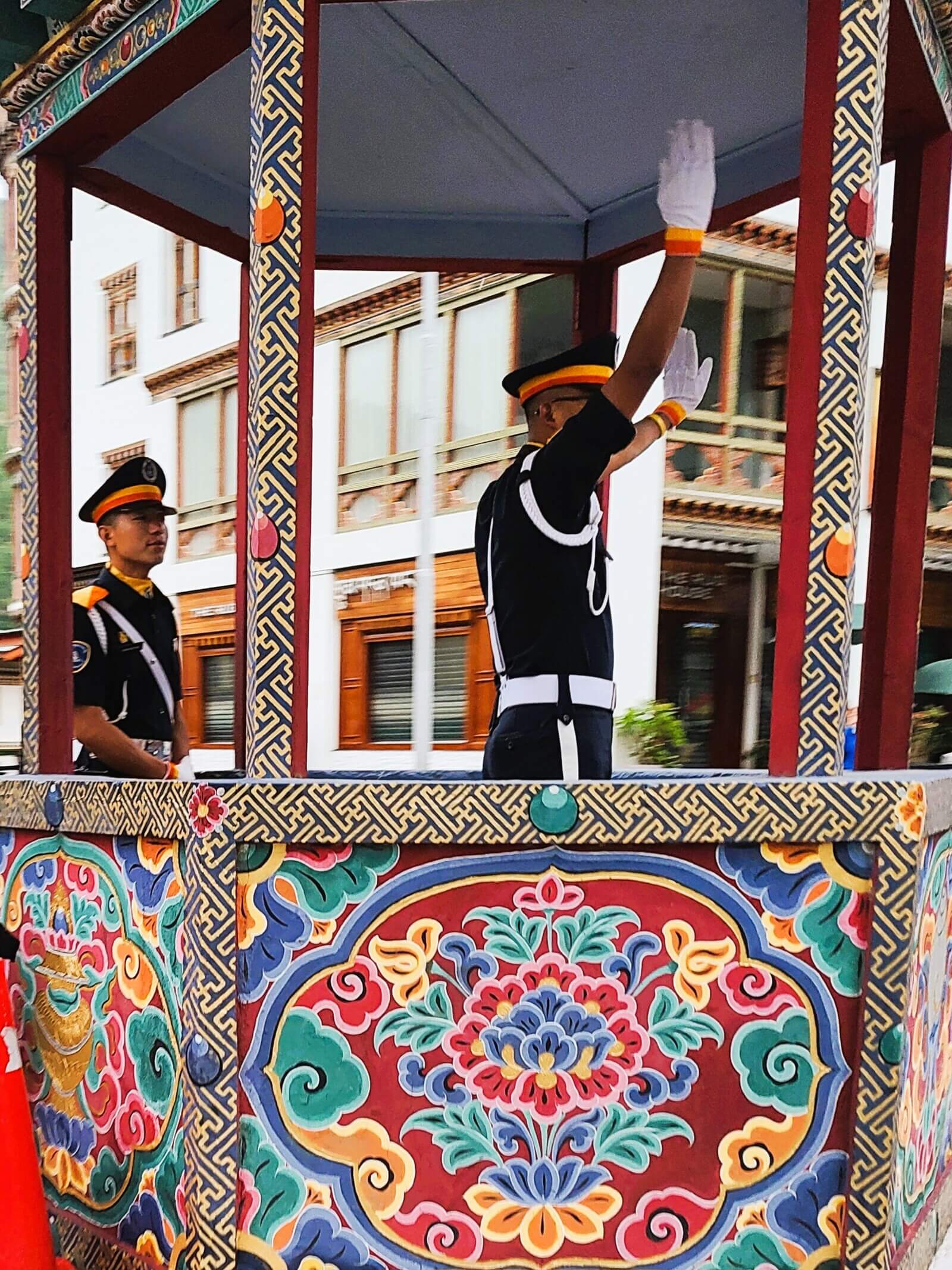
The Michael Jackson Traffic Conductor (as the Thimphu residents named him) stands in a colorful, artfully painted kiosk in the middle of a four-way intersection. He’s famous for the nonstop way he points his arms in every direction, pivoting, stopping traffic, and giving the green light. It’s wonderful to watch him perform this long-lost method of traffic control.
The Royal Takin Reserve is a lush green forest in the Himalayas, 4,000 meters/13,123 feet above sea level, where Takin, known locally as the “Drong Gintse,” roam in harmony with multiple species of deer. The Takin are a rare blend of Yaks, Cows, and South African Wildebeest. They have a shaggy, brown-and-golden coat and small backward-pointing horns.
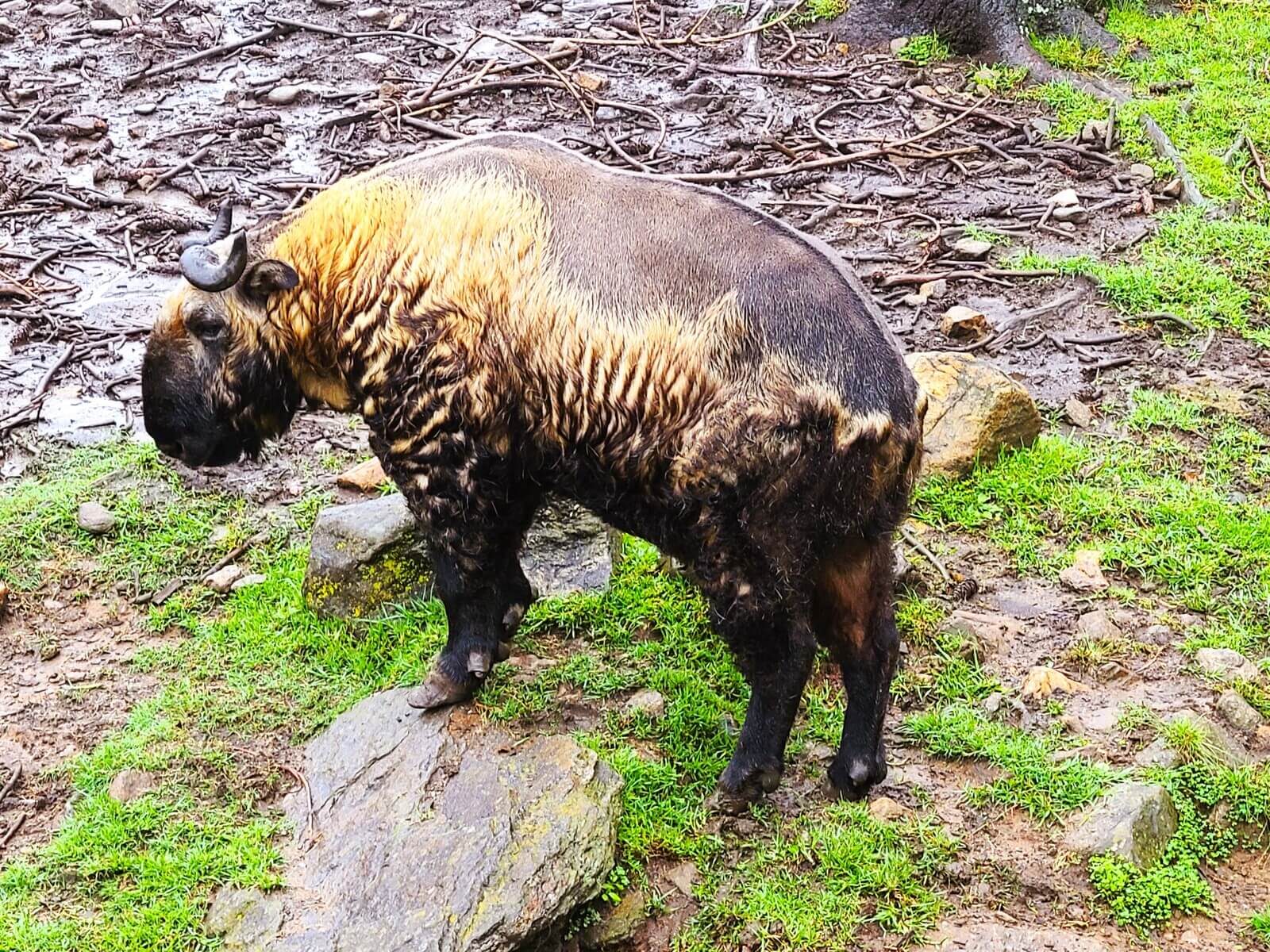
The photograph below explains the mythological legend associated with the Takin, which made them the national animal of Bhutan.

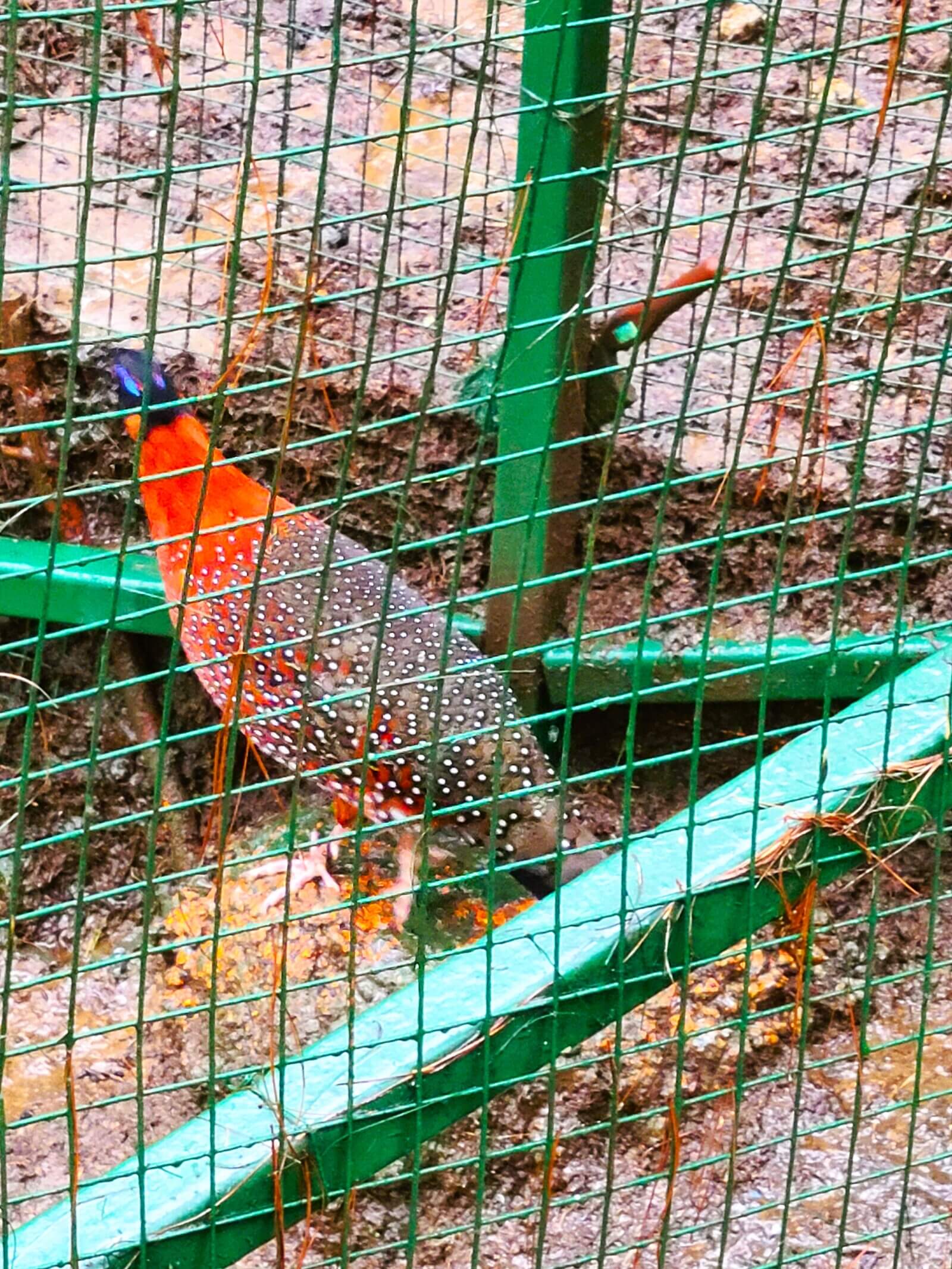
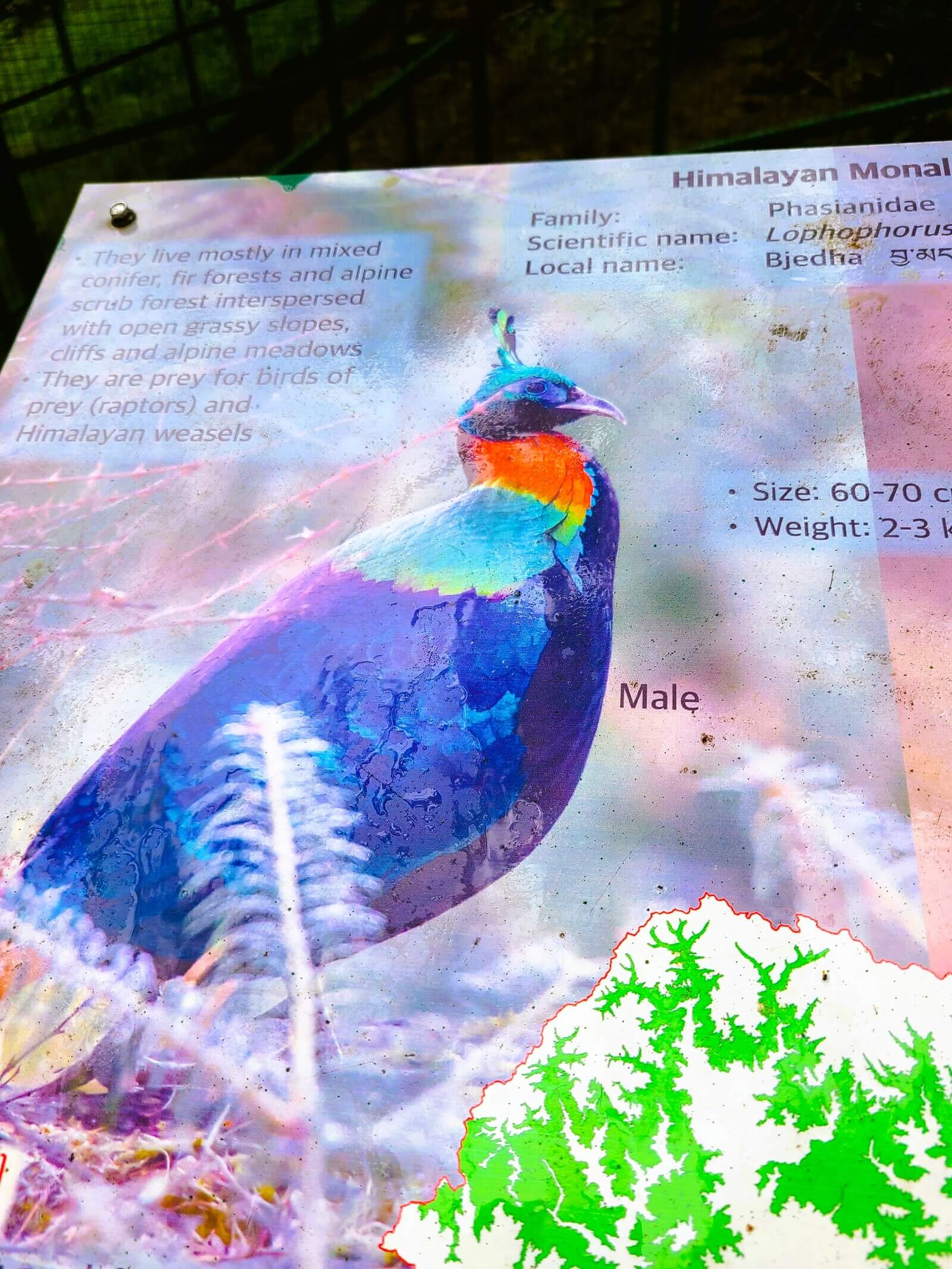
A visit to the reserve, where elevated walkways snake through the forest, allowing visitors an unintrusive way to view the rare birds and animals, is one of the highlights of a visit to Thimphu.

Phobjika
It’s a four-hour drive to the Dochula Pass (10,301 feet above sea level), winding around serpentine bends (there is not one stretch of straight road), past waterfalls, and the splendor of the most fertile, dense, exquisite forests imaginable.
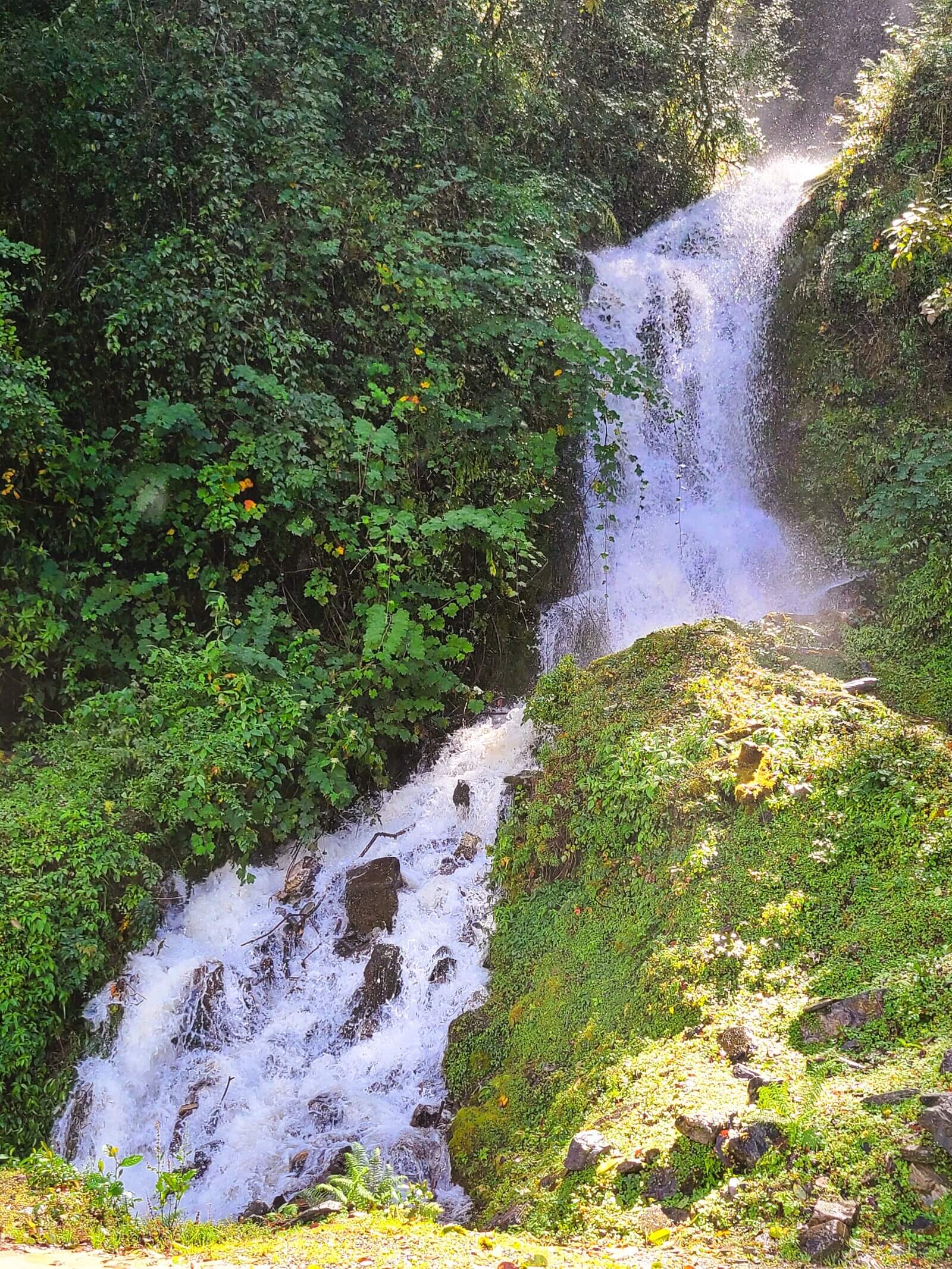
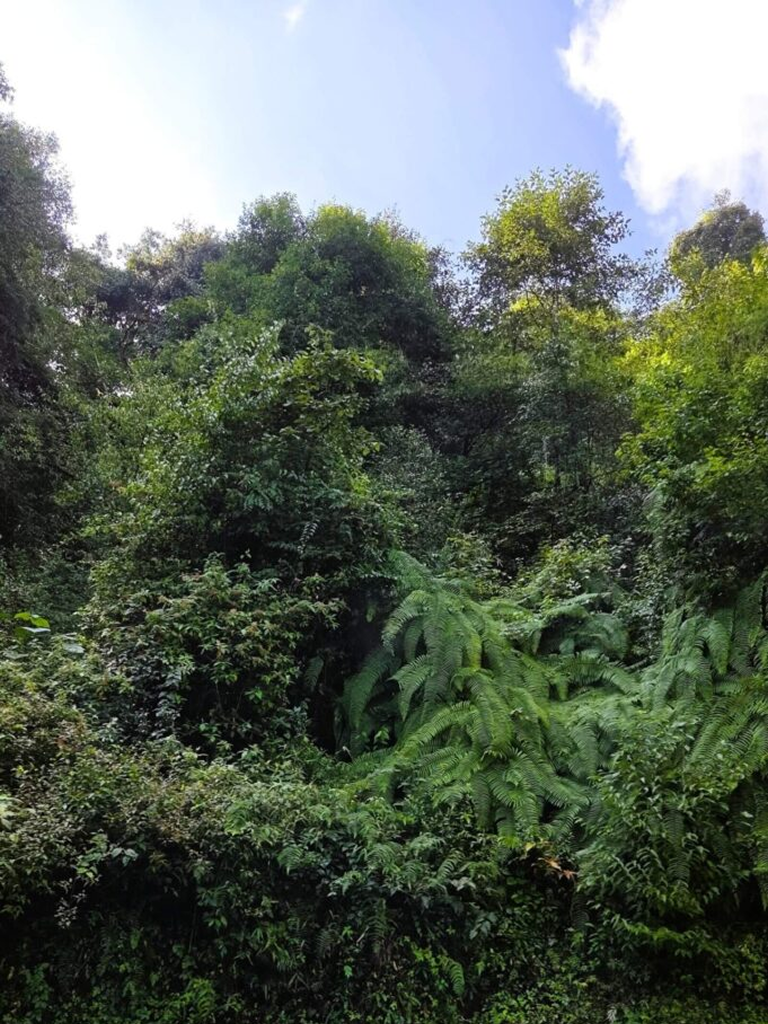
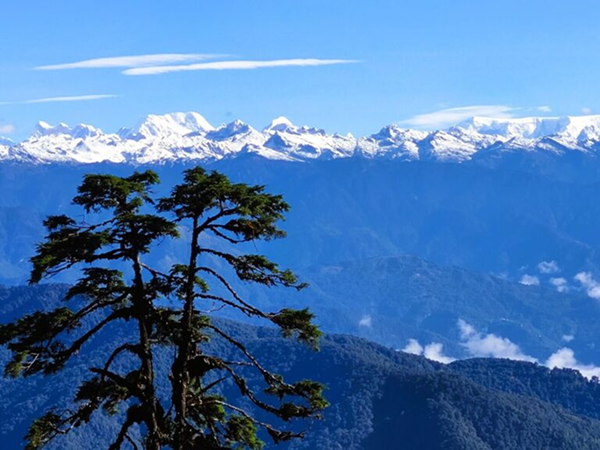
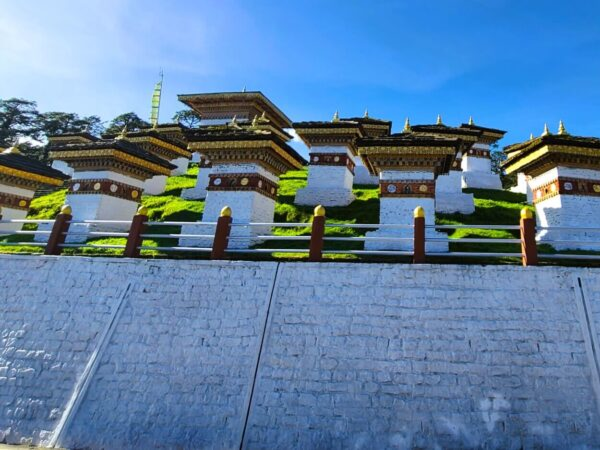
The rain-drenched foliage shimmered in sunshine below blue skies and puffy, floating clouds, like froth on a cappuccino. The weather was cold, and the air was as crisp as a biscuit. We made a stop on the way at a gift shop and restaurant in the middle of nowhere, perched on the edge of the forest, before reaching the 108 memorial Stupas that offer panoramic views of the snowcapped Himalayan Mountain range. The Stupas honor Bhutanese soldiers who died in 2003 when fighting against insurgents.
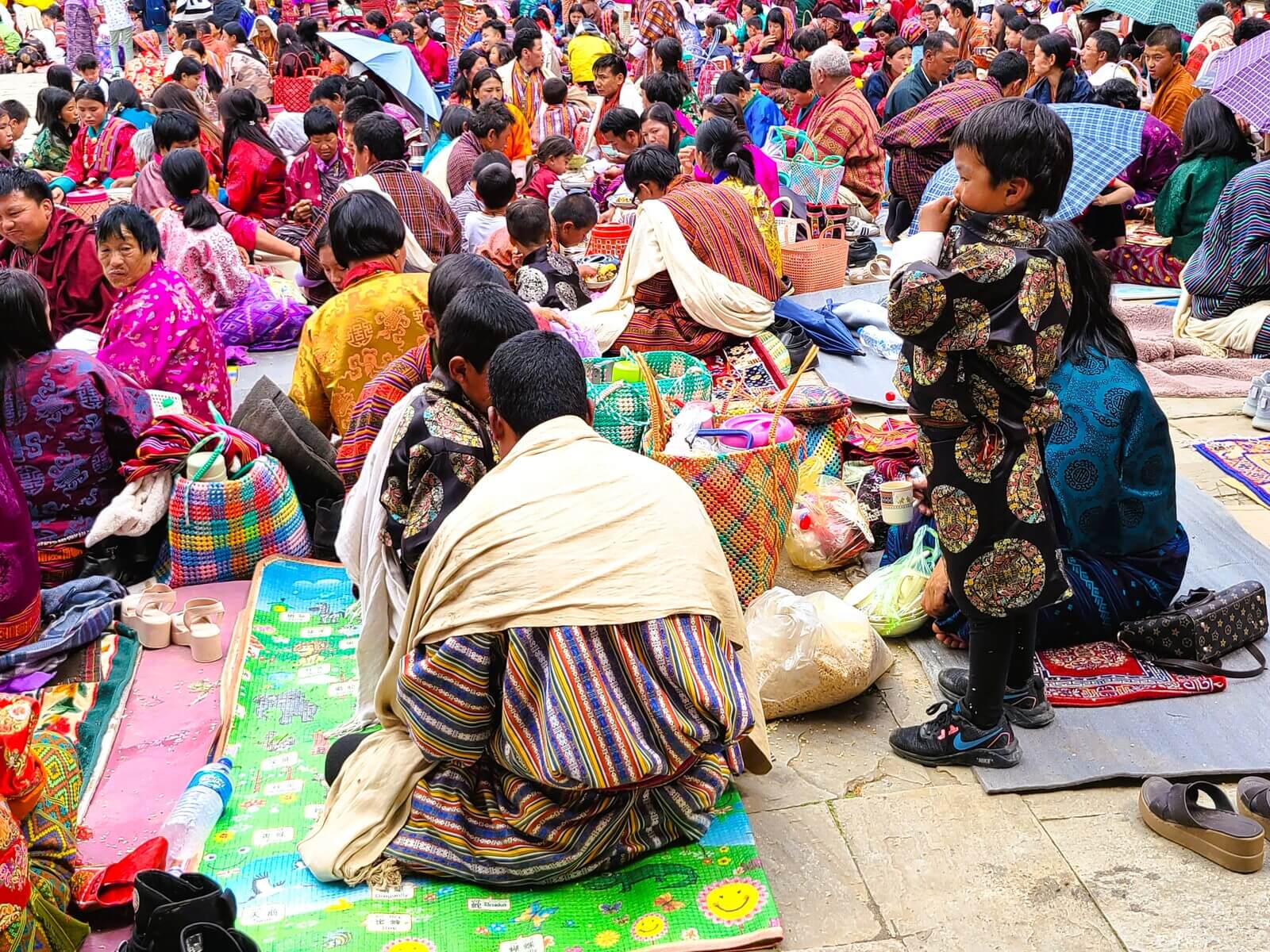
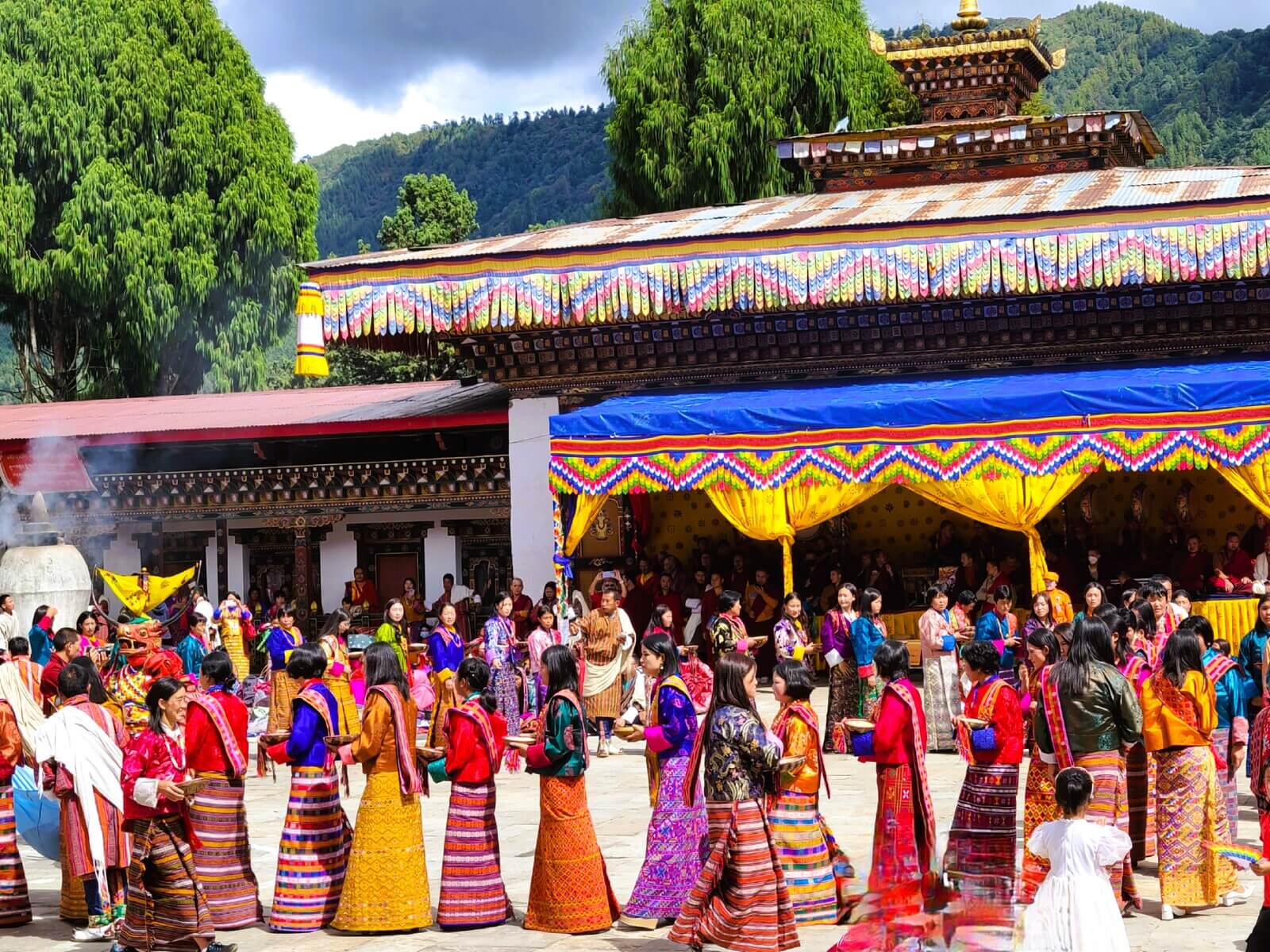
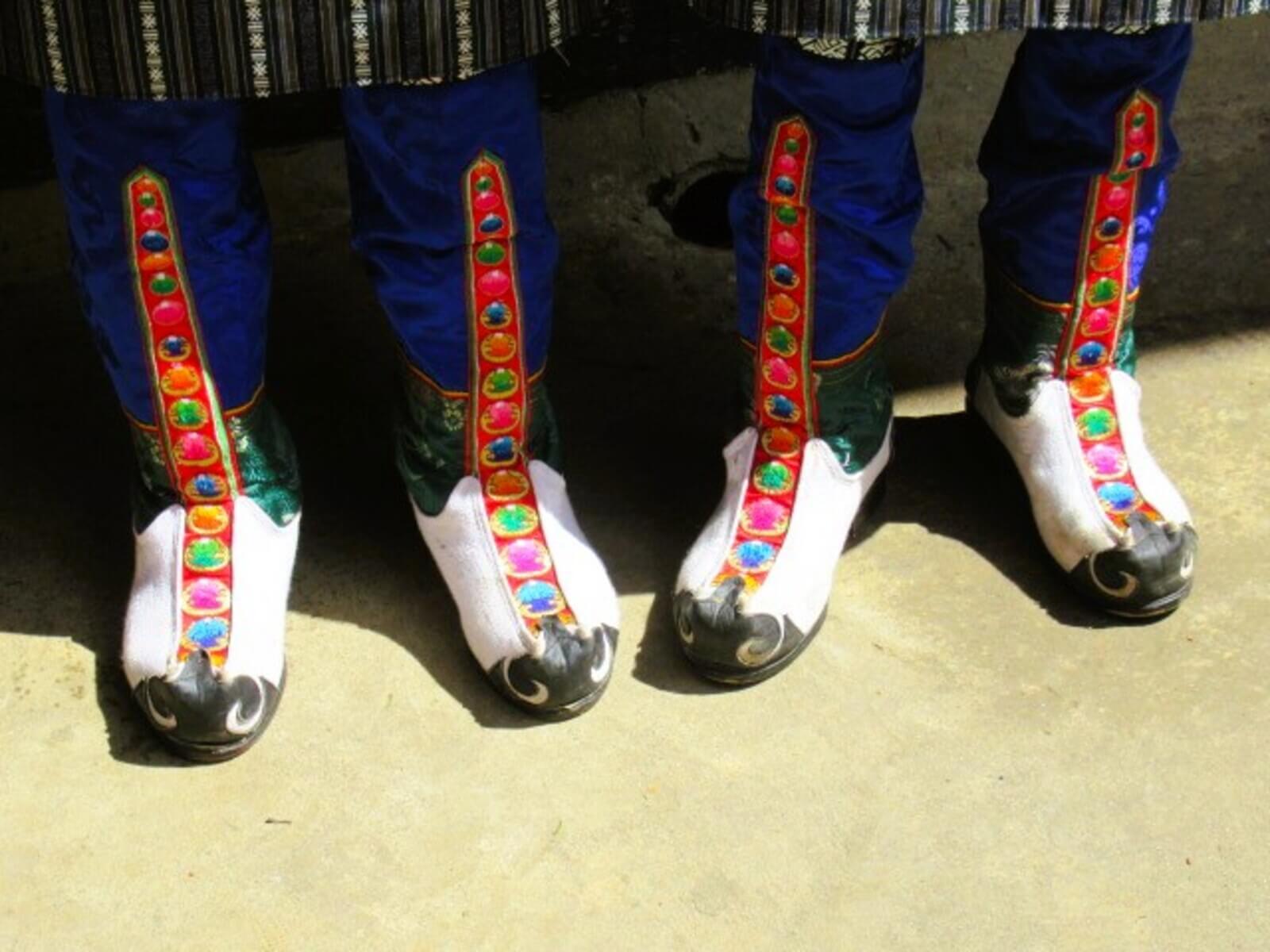
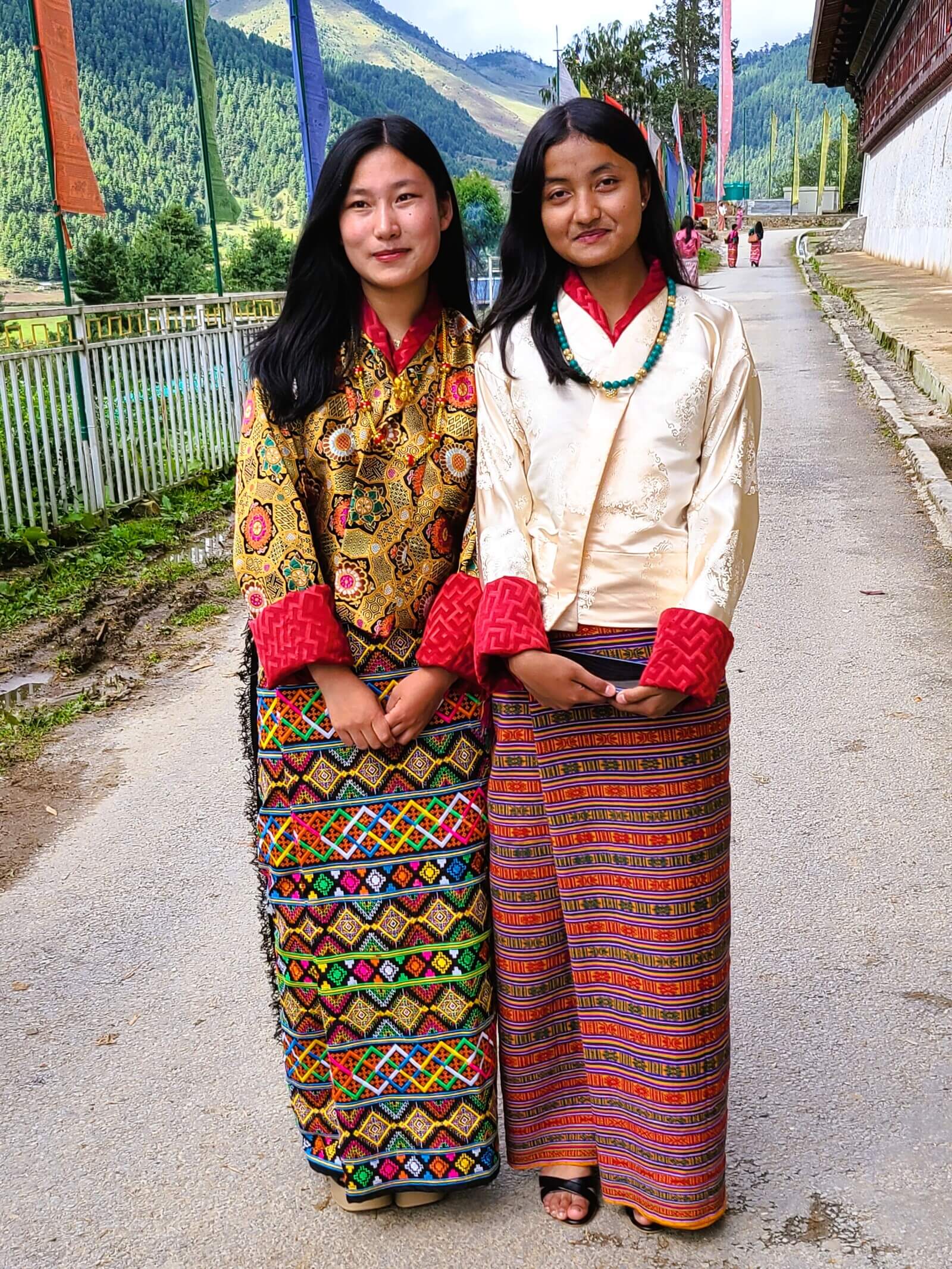
The Gangtey Tshechu festival was a highlight of our visit to Bhutan. It’s a three-day festival paying homage to Bhutanese culture and the Phobjika Valley. It takes place in late September or early October in front of the Gangtey Goenpa Monastery. Thousands of locals flock to the festival daily, dressed in traditional Bhutanese clothing. The woven fabrics of the women’s blouses and skirts are works of art. Masked dancers representing deities and demons whirl and swirl in elaborate costumes. The music blares, the crowds fill the seating, and every available inch of the ground.
** There are several of these festivals in different villages/towns of Bhutan—most of them in spring and autumn.

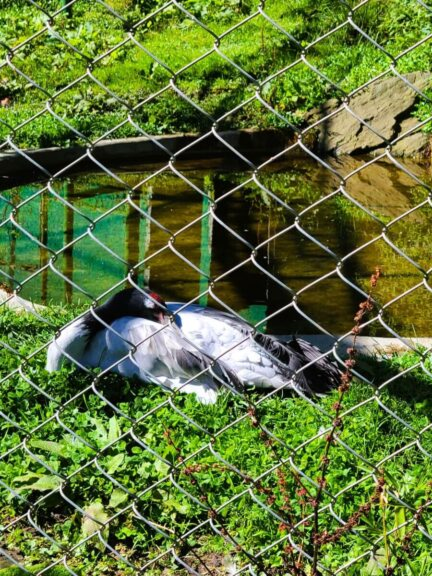
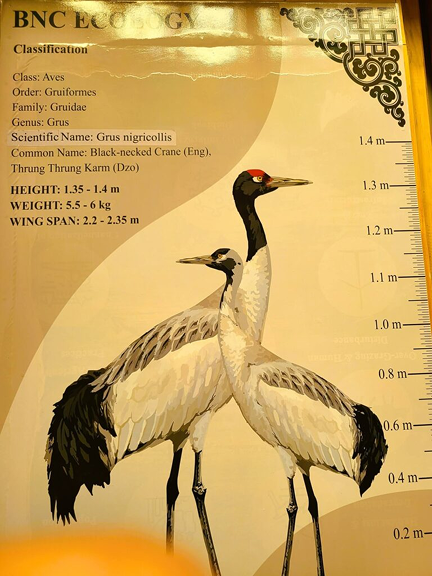
The Black-necked Crane and Study Centre.
The Black-Necked Cranes arrive in Phobjika every year in mid-October for the winter months. In the spring, they return to Nepal. On arrival and departure from Bhutan, they circle the Gangtey Monastery three times. It is believed to be a sign of a blessing. Pay a visit to the center to view a worthwhile documentary about the cranes revered by the Phobjika community.
The monastery hosts an annual crane festival to celebrate their arrival.
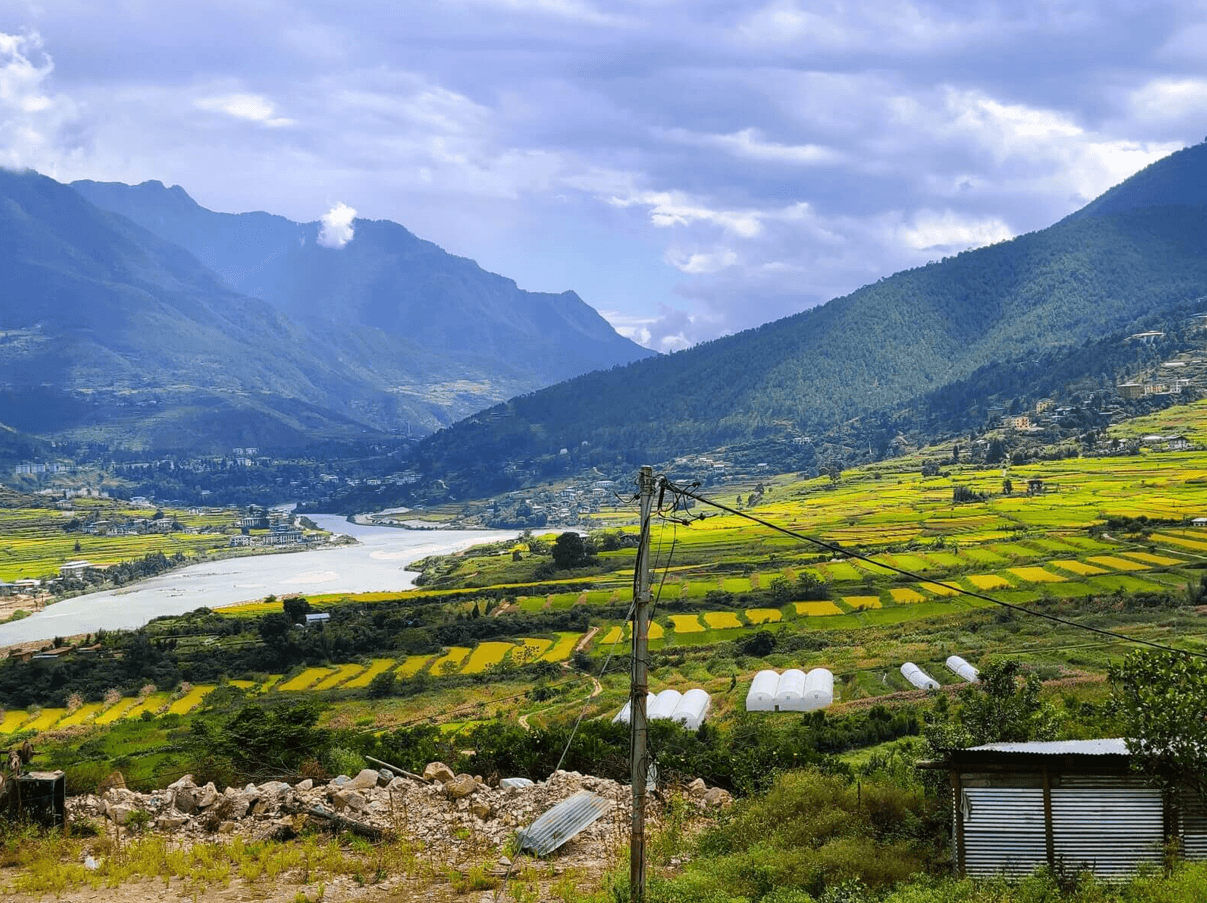
Punakha sits at the confluence of two rivers – the Pho Chhu (Male River), known for its challenging rapids, and the Mo Chhu (Female River), known for its gentle currents. It is one of the most beautiful towns in Bhutan.
Ask your guide to arrange a “picnic” lunch for you on the banks of the two rivers, with full-on views of Punakha Dzong fortress/palace.
** Choose a hotel in the hills with views of the valley and rivers.
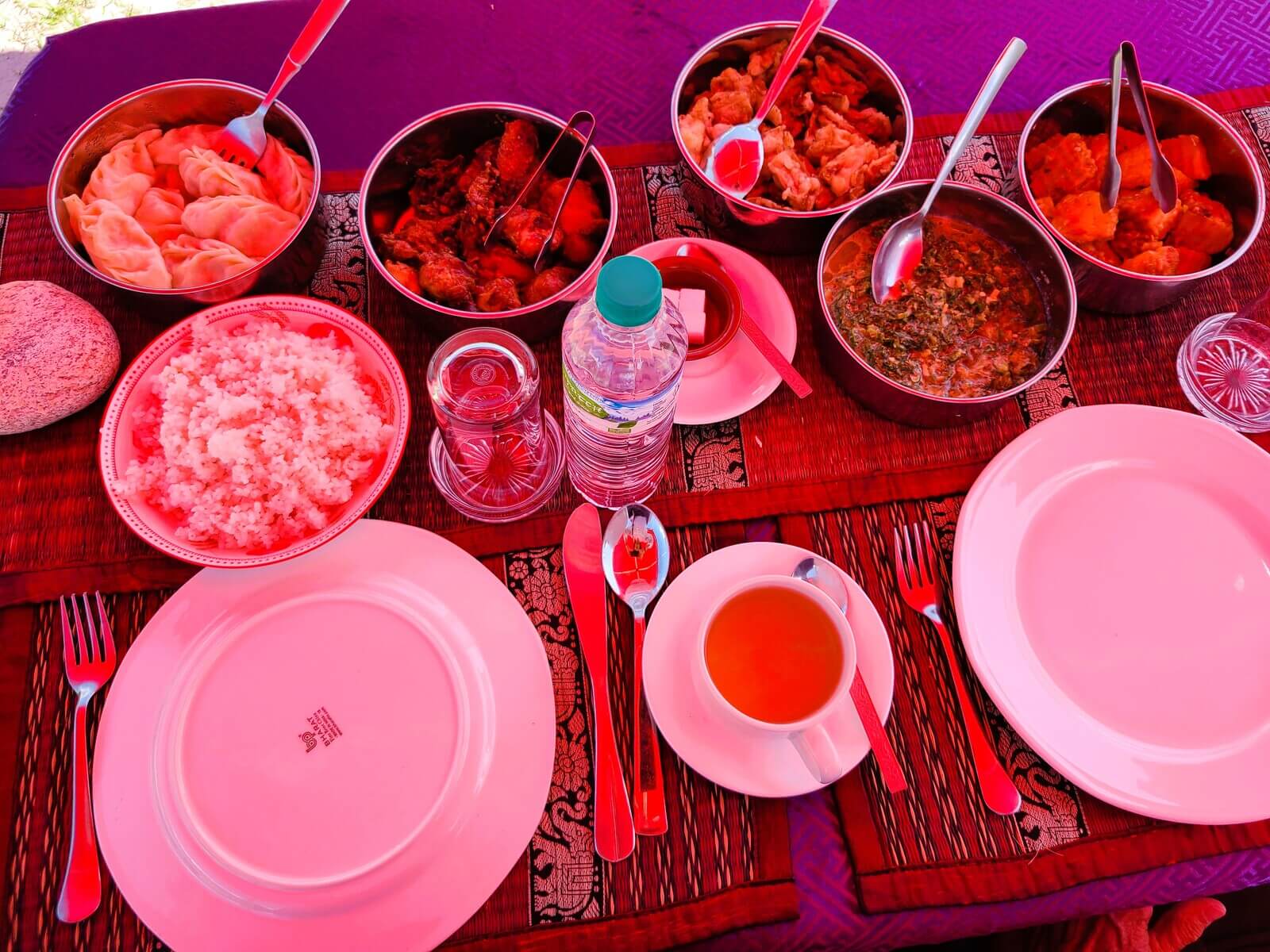
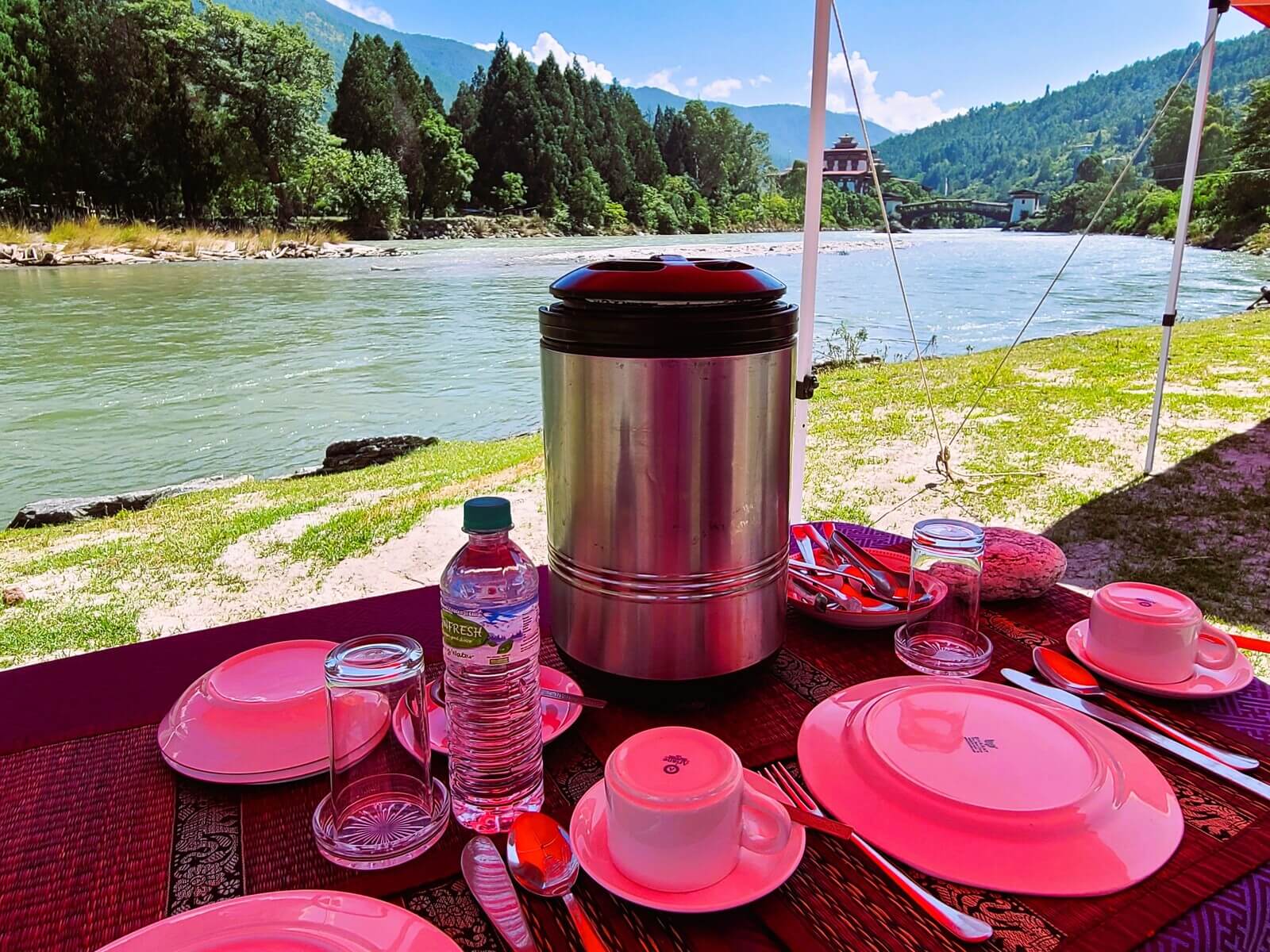
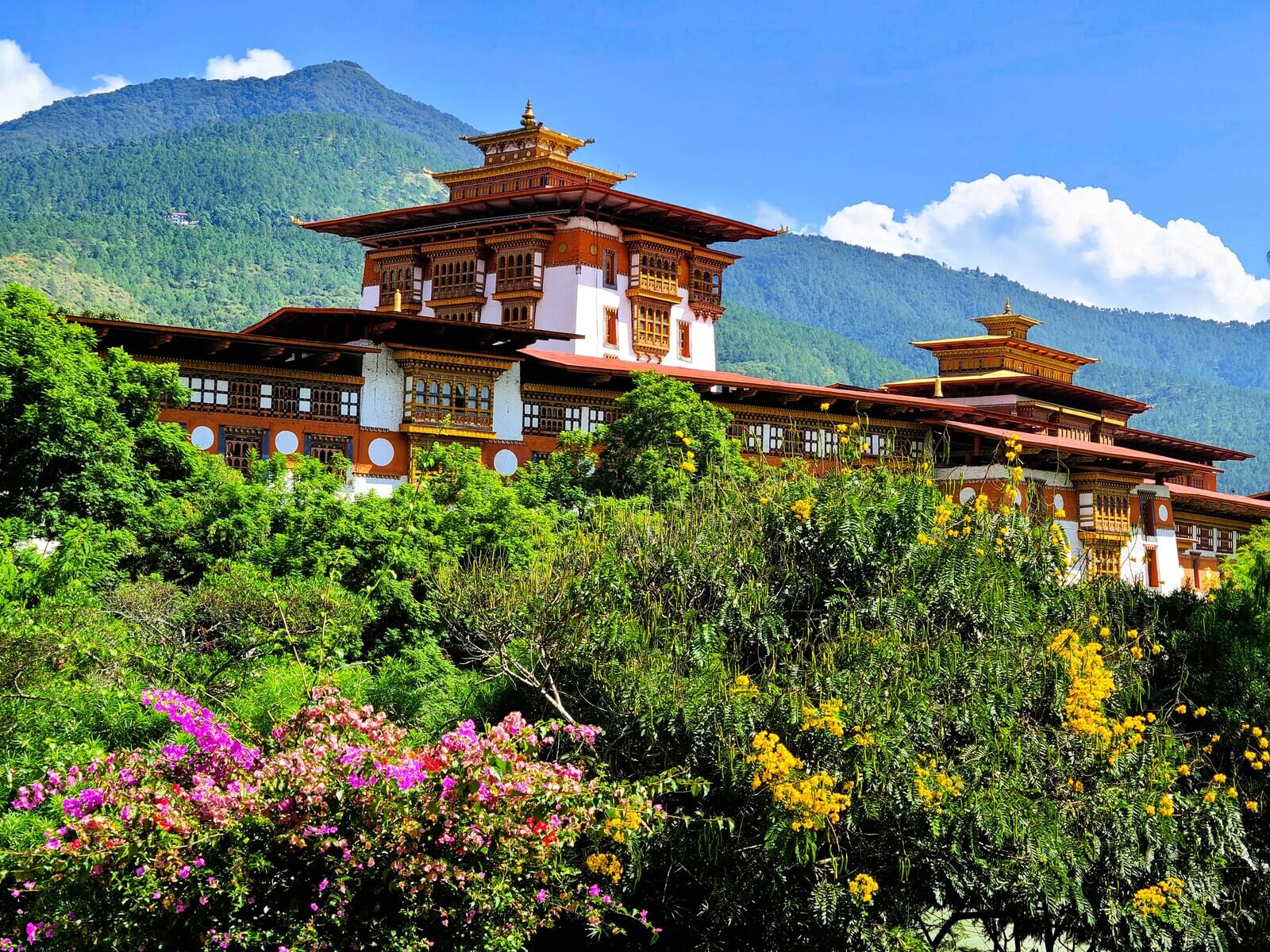
After a relaxing lunch surrounded by nature, head to Punakha Dzong. Its official name (Pungtang Dewa Chhenbi Phodrang) means The Palace of Great Happiness. Built in the early 17th century, it is the second-oldest fortress/palace in Bhutan.
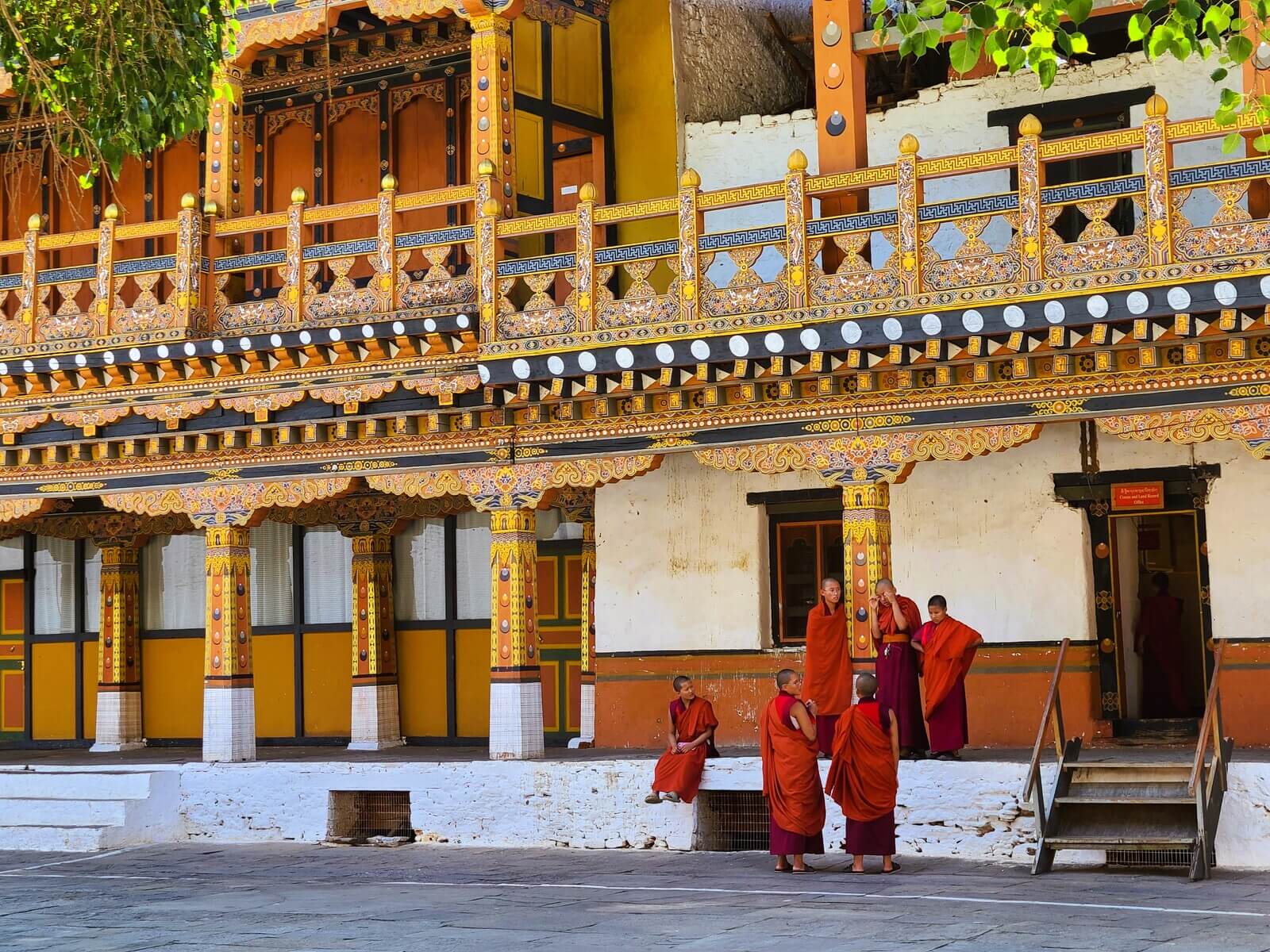
The dzong is venerated for its detailed architecture and adornment, as well as its historical significance. It was the site of national ceremonies and the capital of Bhutan from 1637 until 1955, when the capital moved to Thimphu. Today, the Dzong functions as an administrative center for Punakha district, it’s also the winter home for the monks, and is a location for special events such as the Royal Wedding in 2011
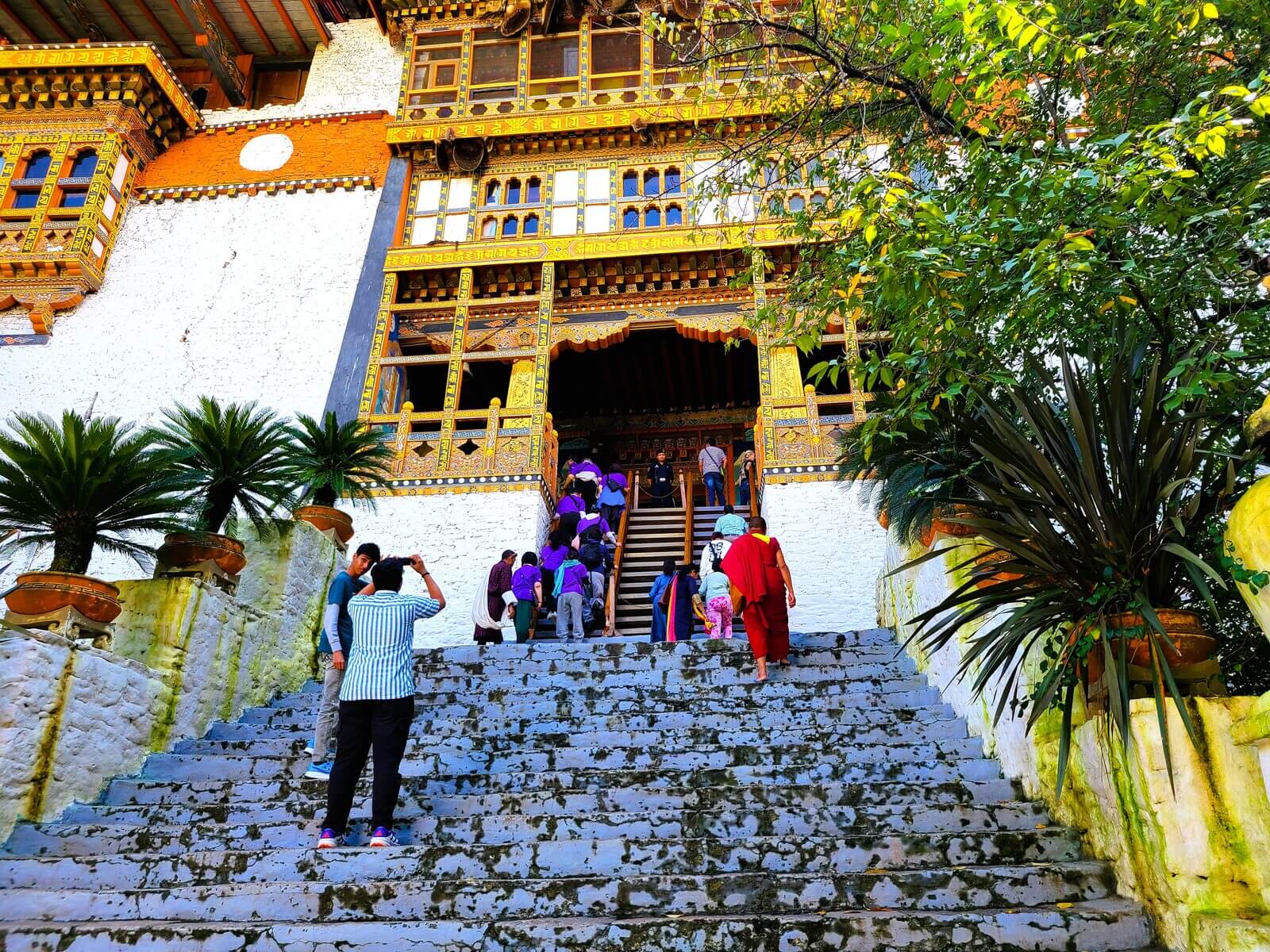
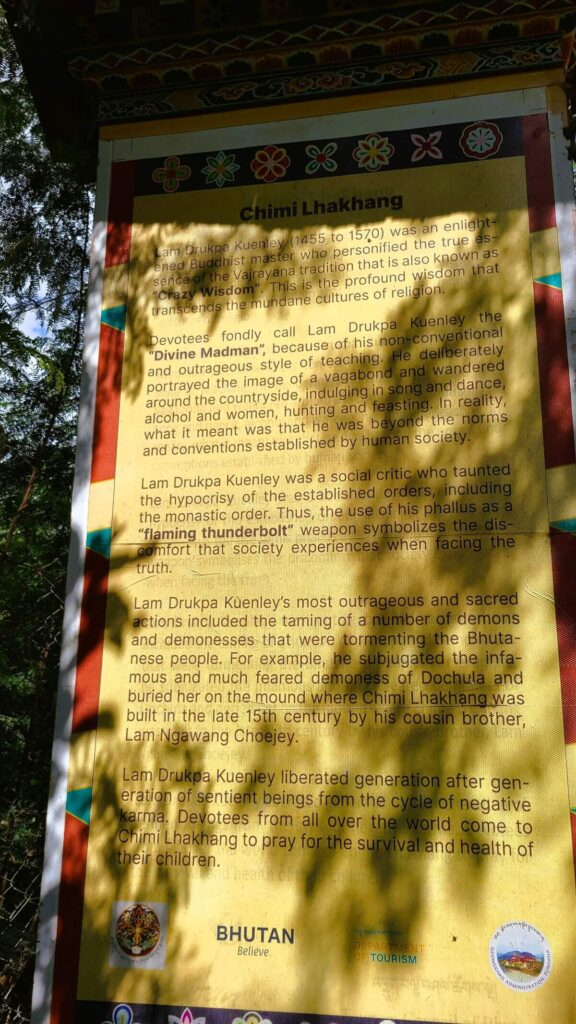
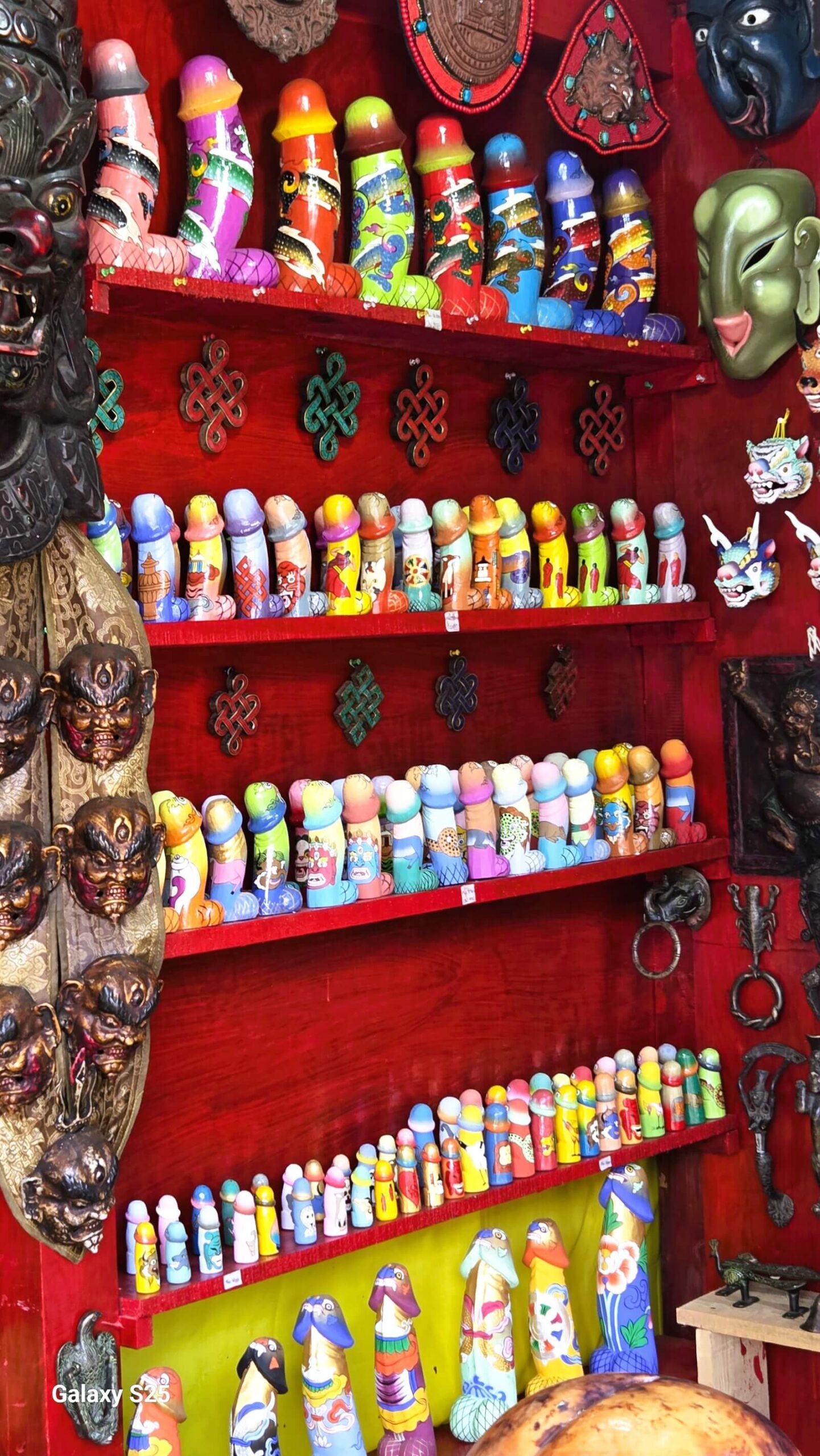
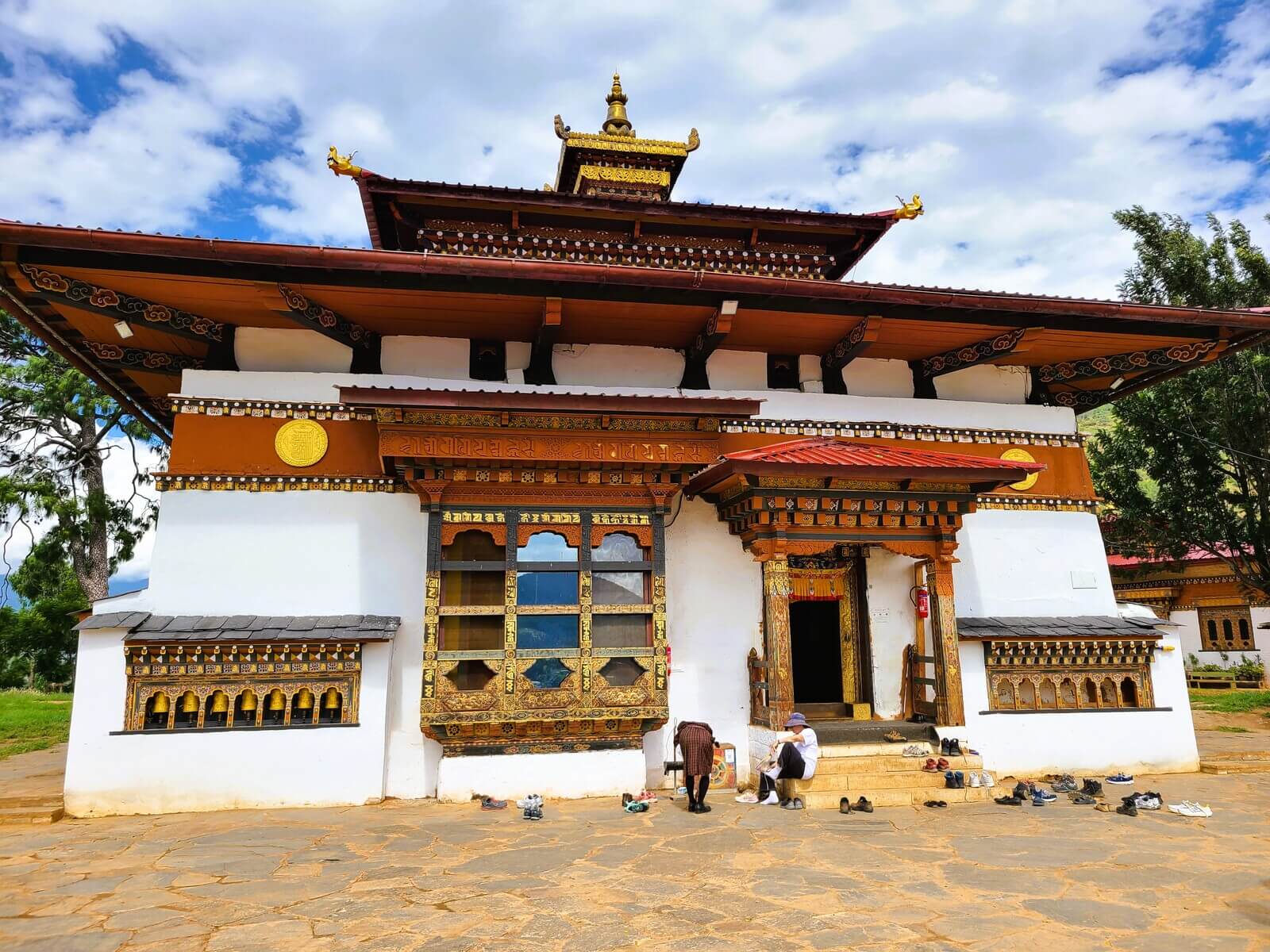
Visit the Chimi Lhakhang Temple, the Fertility Temple, that honors Lam Drupka Kunley – also known as the “Divine Madman”. He is associated with fertility, sex, and phalluses that drive away evil spirits, which explains why there are so many phalluses displayed in stores and art galleries in Lobesa village at the bottom of the hill leading to the temple. The temple is revered for blessing couples who cannot have children. Scroll through the album of messages from couples who believe that the blessing from the lama (spiritual monk) enabled them to give birth to children.
Paro – The Weaving Center
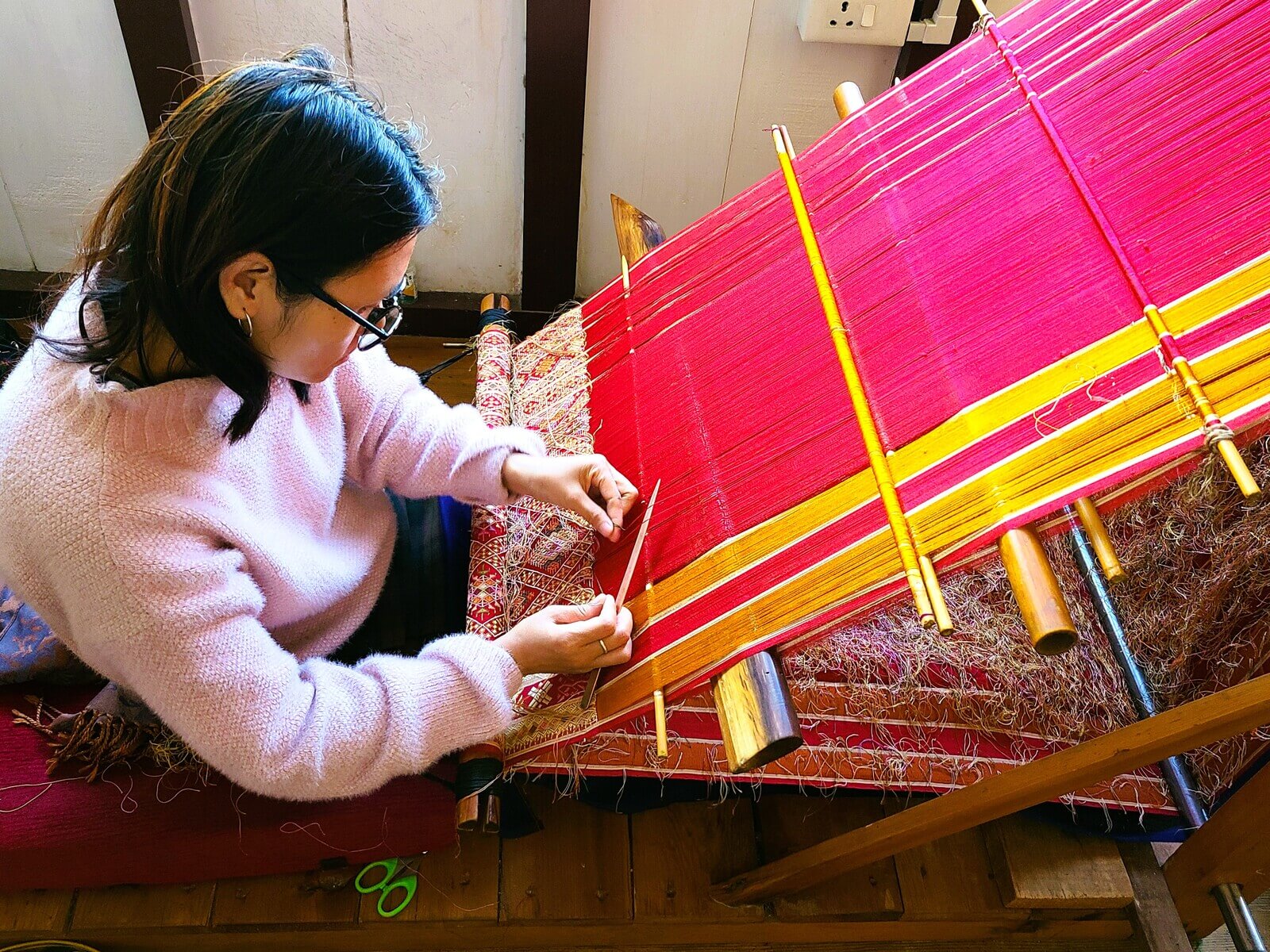
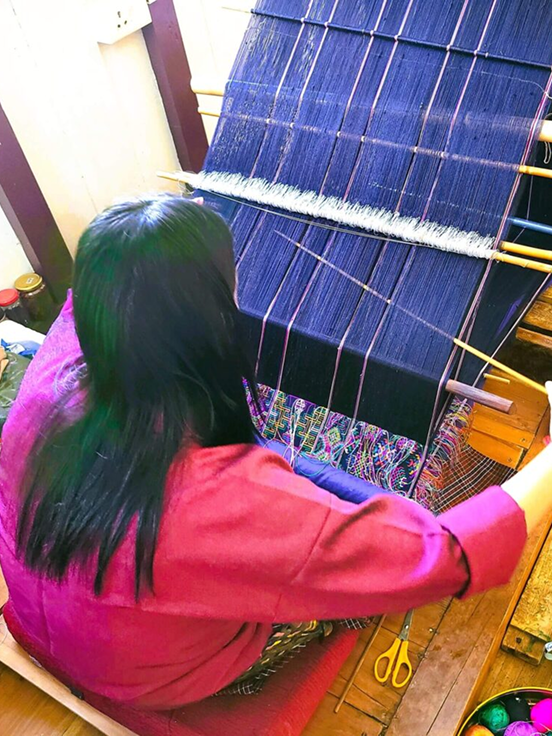
Paro is known for its weaving center, where a group of talented women produces magnificent woven cloth used for the ladies’ long skirts and jackets worn on special occasions. The cloth is made, thread by thread, by the weavers who sit on a piece of wood and a thin pillow all day long. It can take anywhere from four months to a year to complete the weaving of a length of handspun textile.
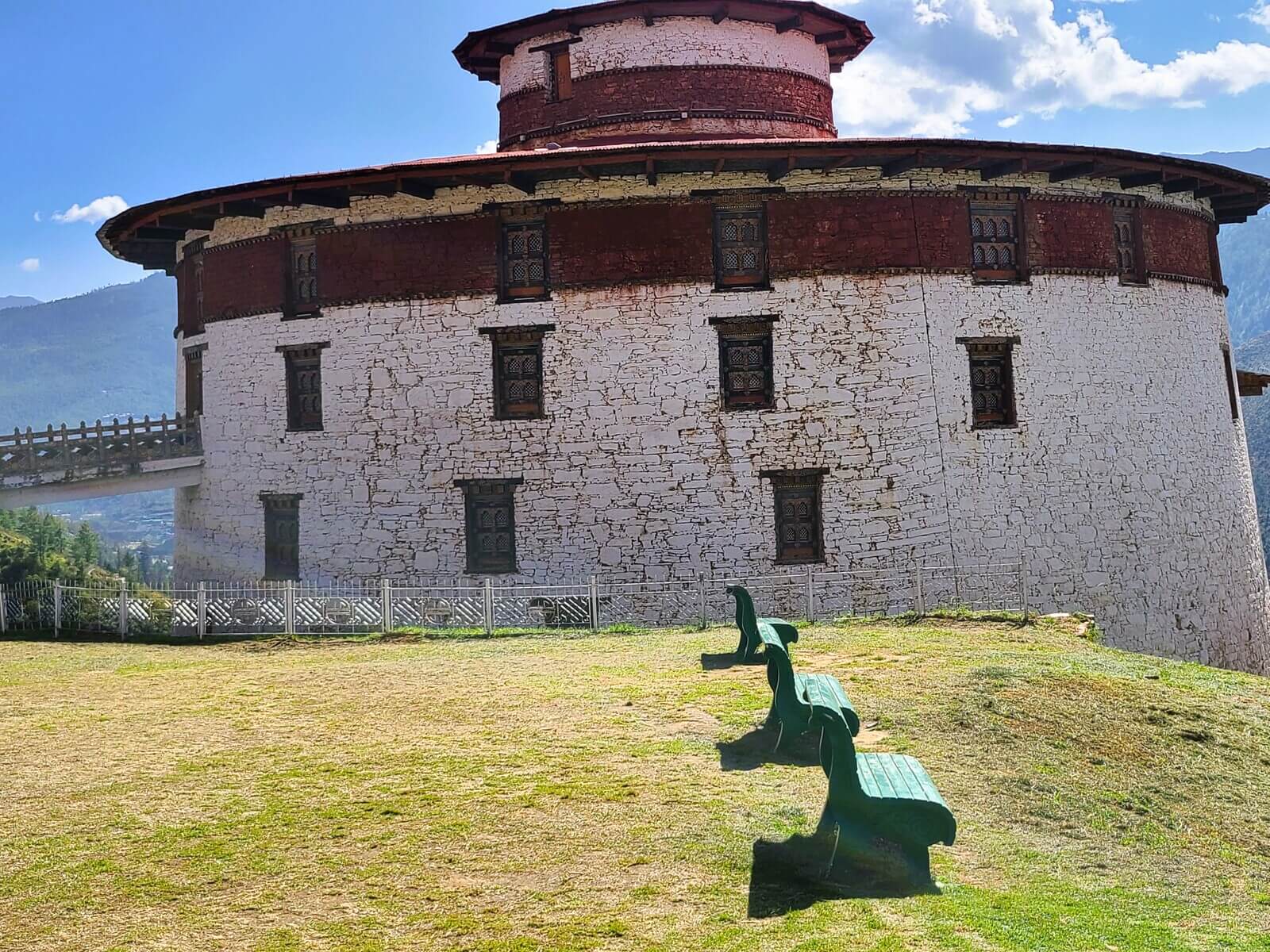
The repurposed Watch Tower.
On a hilltop overlooking Paro is a 17th-century circular watchtower that has been repurposed into a six-story museum housing art, ancient weapons, religious icons, ancient jewelry, everyday utensils, jugs, pans, and thought-provoking sayings attributed to Buddha.
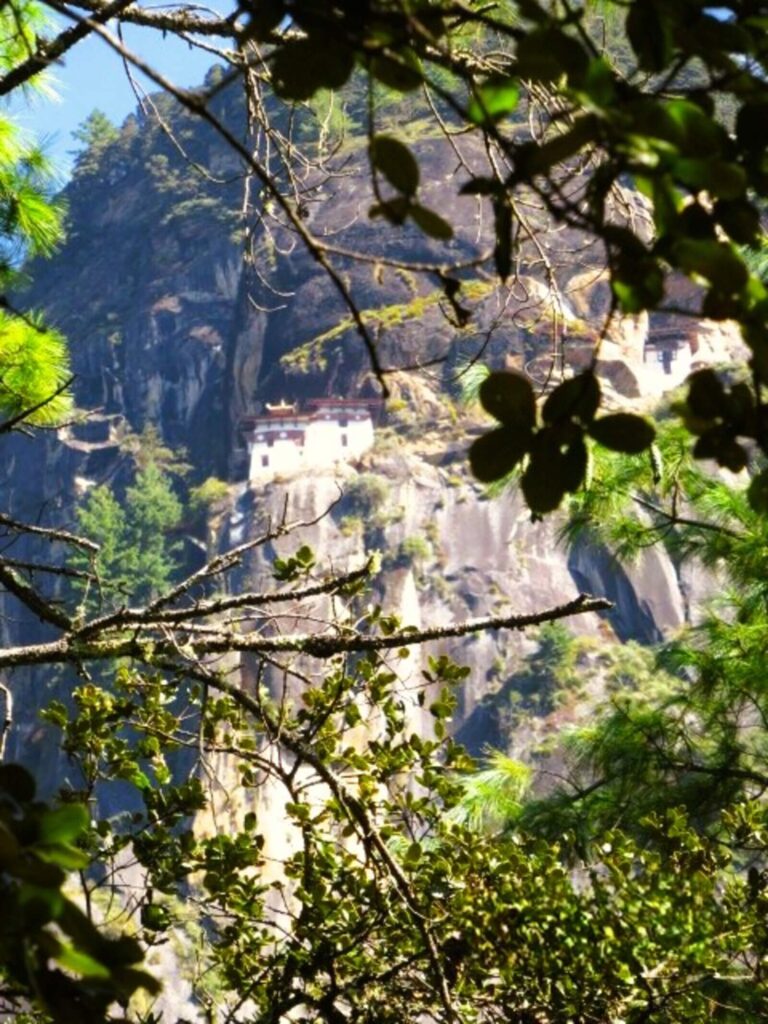
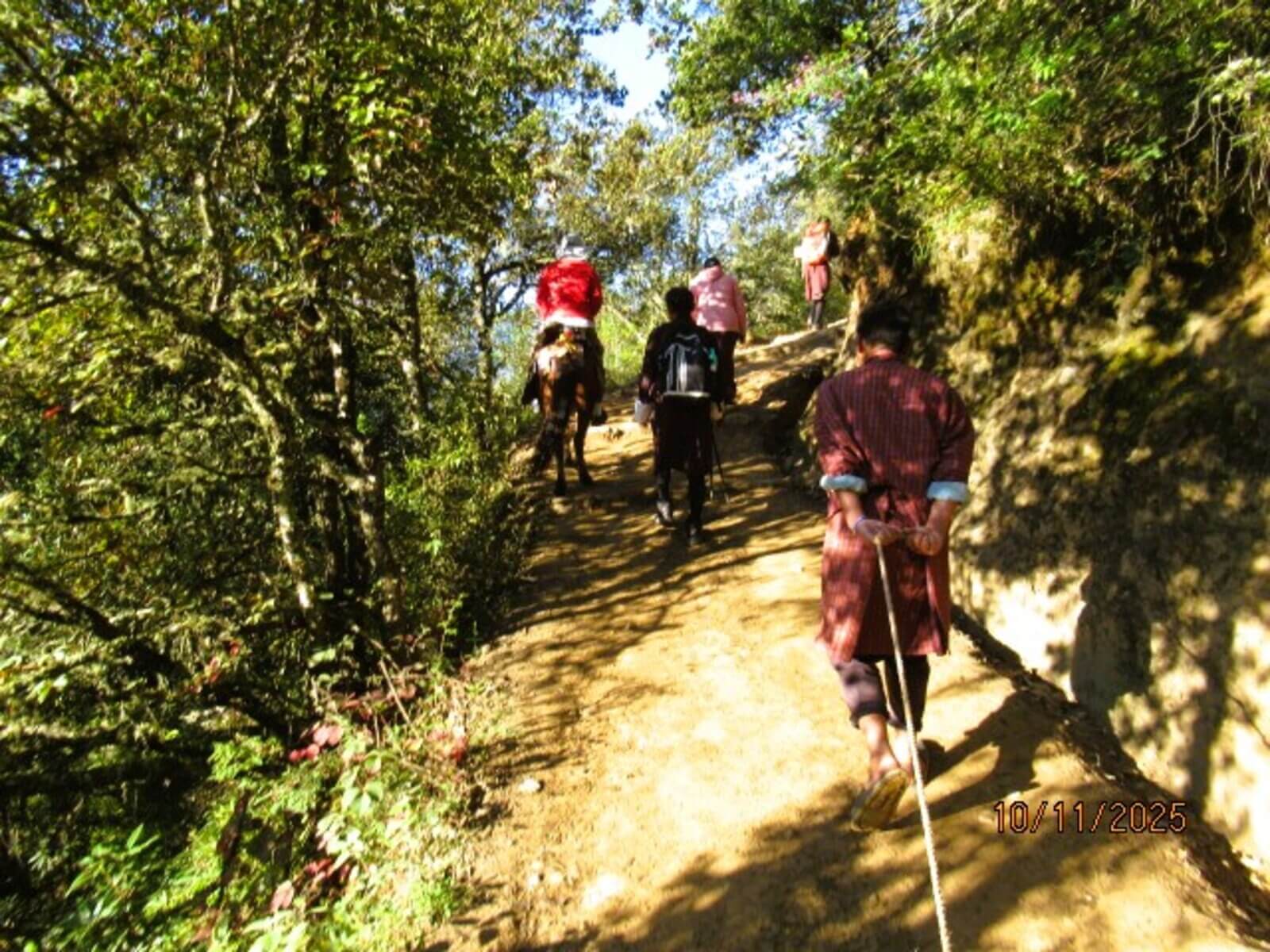
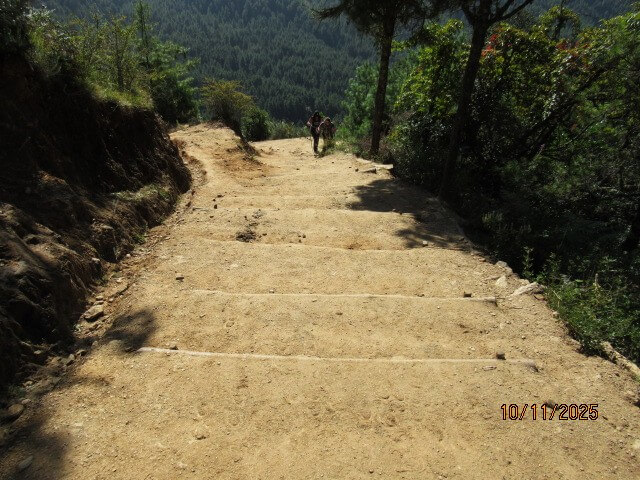
Tiger’s Nest is a highlight of a visit to Bhutan. The monastery built into the rocks looks as though it’s balancing on the edge of a narrow stone platform at 3,120 meters (10,236 feet) above sea level. The hike to the top is challenging. It’s uphill all the way, and it can take approximately 6 to 8 hours up and down. There are alternatives: one can hike to the halfway station, which offers a full-on view of the monastery. It has a cafe, toilets, and an outdoor patio. One can also ride a mule up to the halfway station and hike to the top from there. The mules cannot take you down from the halfway station. You have no choice but to hike down.

A Therapeutic Stone Bath
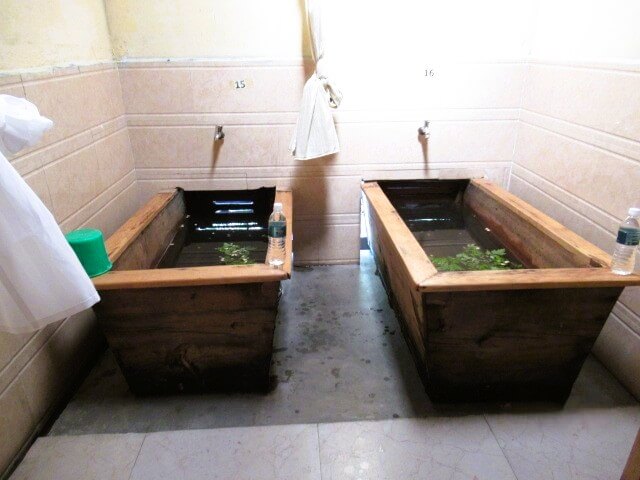
The traditional Bhutan Stone Bath is a treat after an early morning trek to Tiger’s Nest. We returned to the hotel, showered, changed into clean clothes, and headed to a little spa resting on the edge of green fields. The pinewood baths are filled with warm water and a variety of leaves with medicinal properties. At the end of the bath is a ‘gate’ where hot stones are added until the bath water reaches a comfortable heat. Each bath has a number. When the bath water cools, you call out your number, and the invisible person beyond the gate adds more hot stones. To achieve the best results, they recommend lying in the bath for 30 minutes.
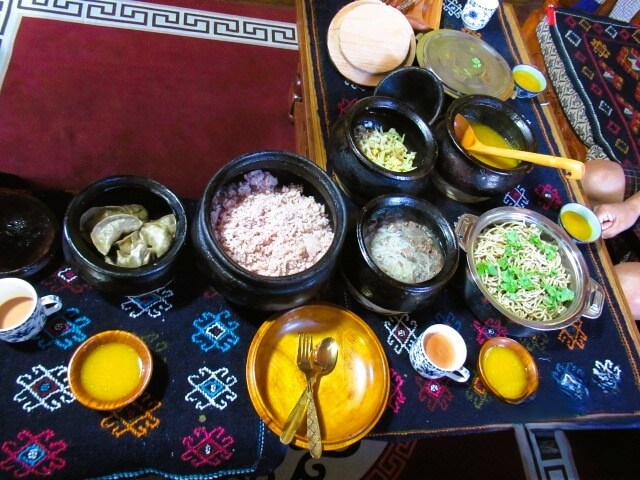
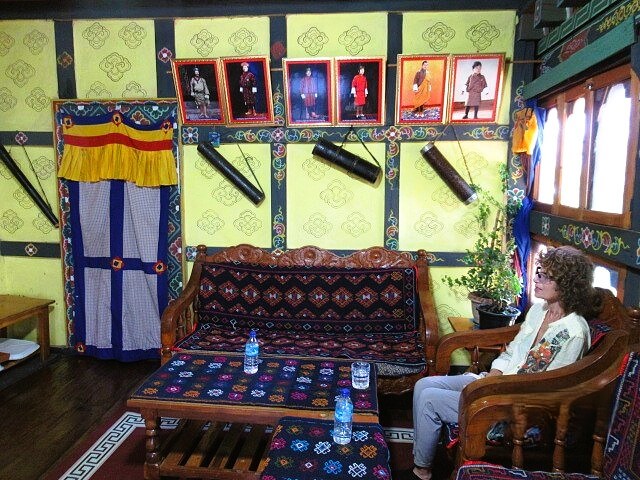
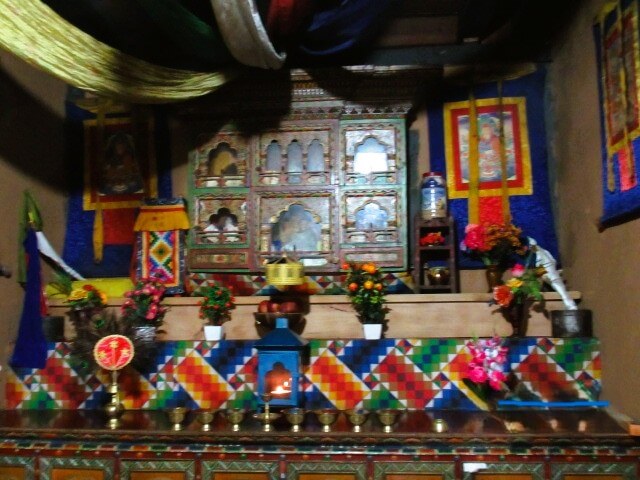
Another treat of the day was lunch at a family farmhouse. Ask your guide if he can arrange this.
Note: * You need a visa to visit Bhutan.
** You cannot explore Bhutan on your own. You have to use a registered, approved travel agency.
*** There are many wonderful hikes in Bhutan. From several-hour hikes to half – day, all day, and several day hikes.