
Dubrovnik
Dubrovnik, often called “The Pearl of the Adriatic,” is the most frequently visited town on the itineraries of first-time visitors to Croatia.
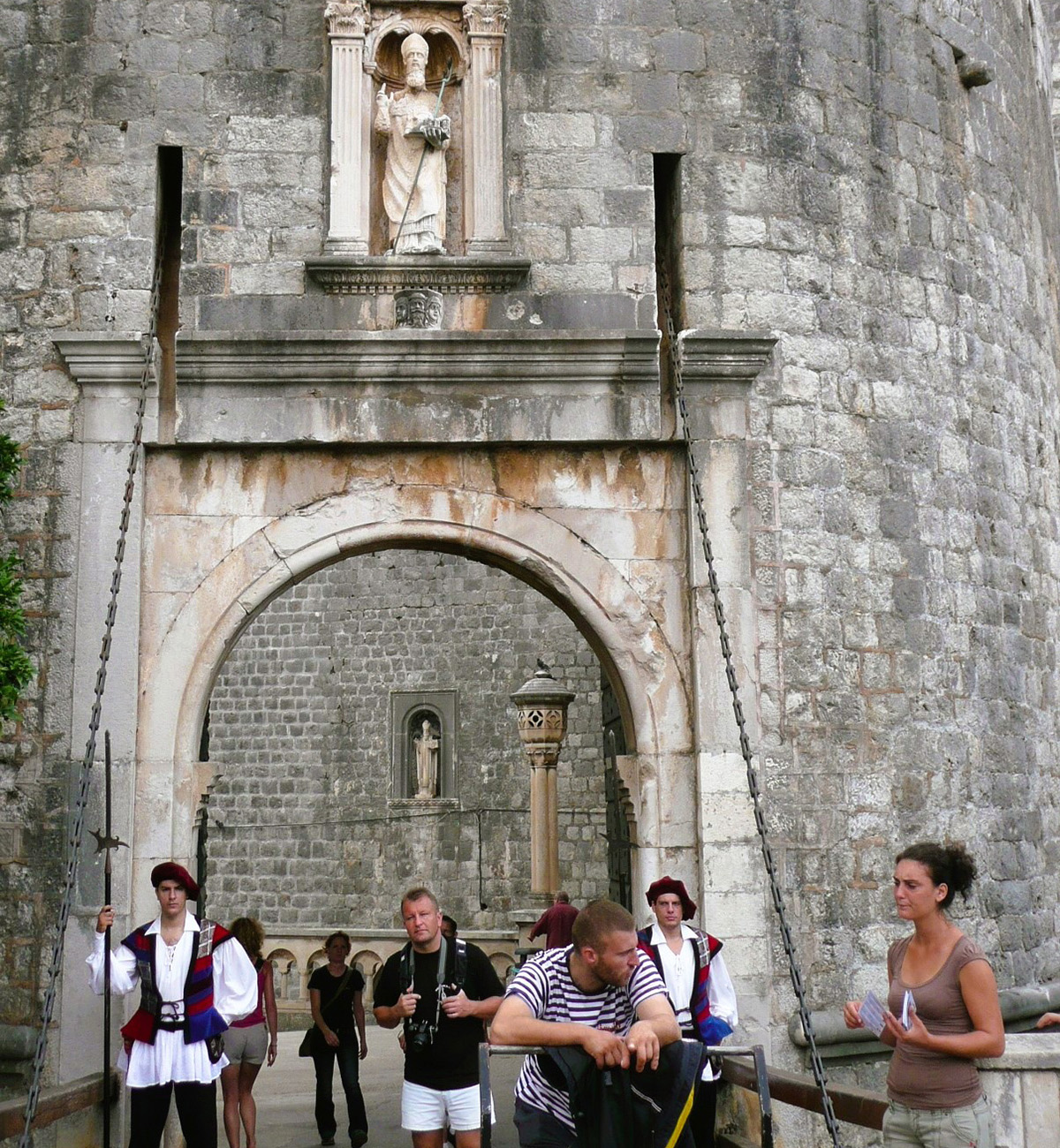 Pile Gate. The 16th century double-gate to the Old City
The Stradun, the main street of the walled Old City, is paved in limestone, houses are capped in red-tile roofs, and its cream-colored stone walls set against a backdrop of the sparkling blue Adriatic Sea are magical, especially at sunrise and sunset.
Added to its appeal is its modern-day fame as a filming location for Game of Thrones.
Dubrovnik is also renowned for its Summer Festival, when the entire town becomes an open-air theater featuring music, opera, ballet, folklore dancing, fireworks, and street performers, all in a unique medieval setting. The festival begins in early July with a spectacular ceremony.
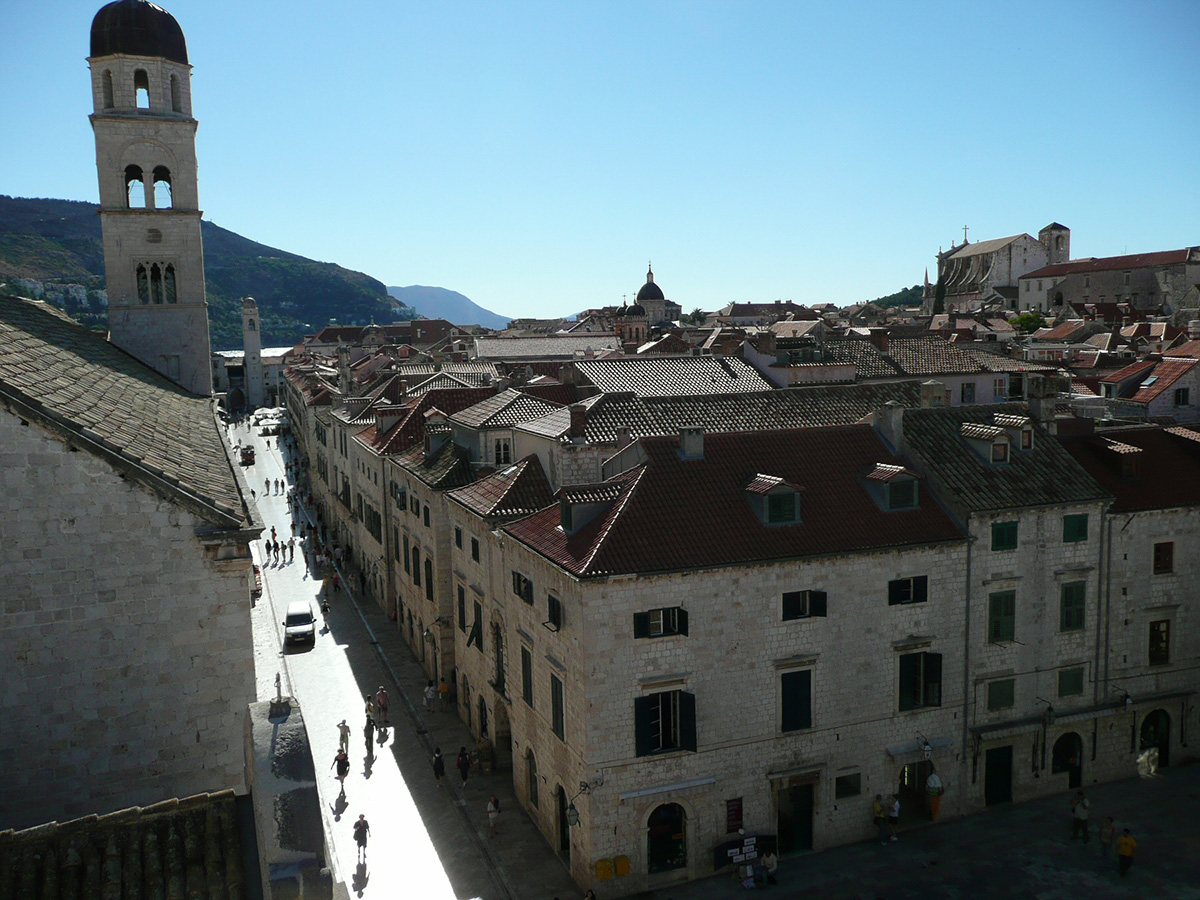 The limestone Stradun flanked by red roof buildings.
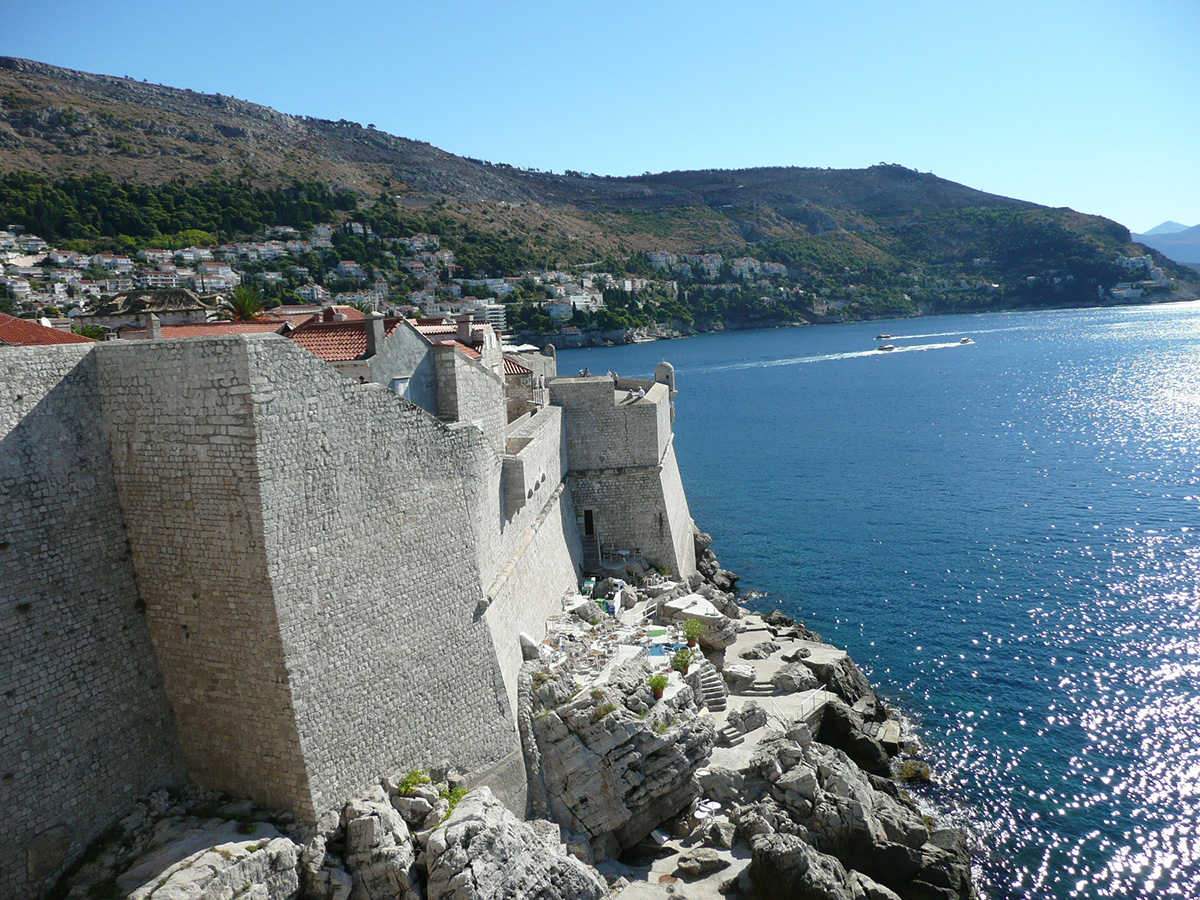 The fortified walls against a backdrop of the sparkling sea.
One of the highlights of Dubrovnik is an early-morning walk along the top of the walls that surround the Old Town. Arrive there at 7:20 am to be among the first to get in when the walls open at 8:00 am. The crisp morning air, the tranquility, the aroma of breakfast coming from the houses, and the golden sunshine are an experience that I’ll never forget.
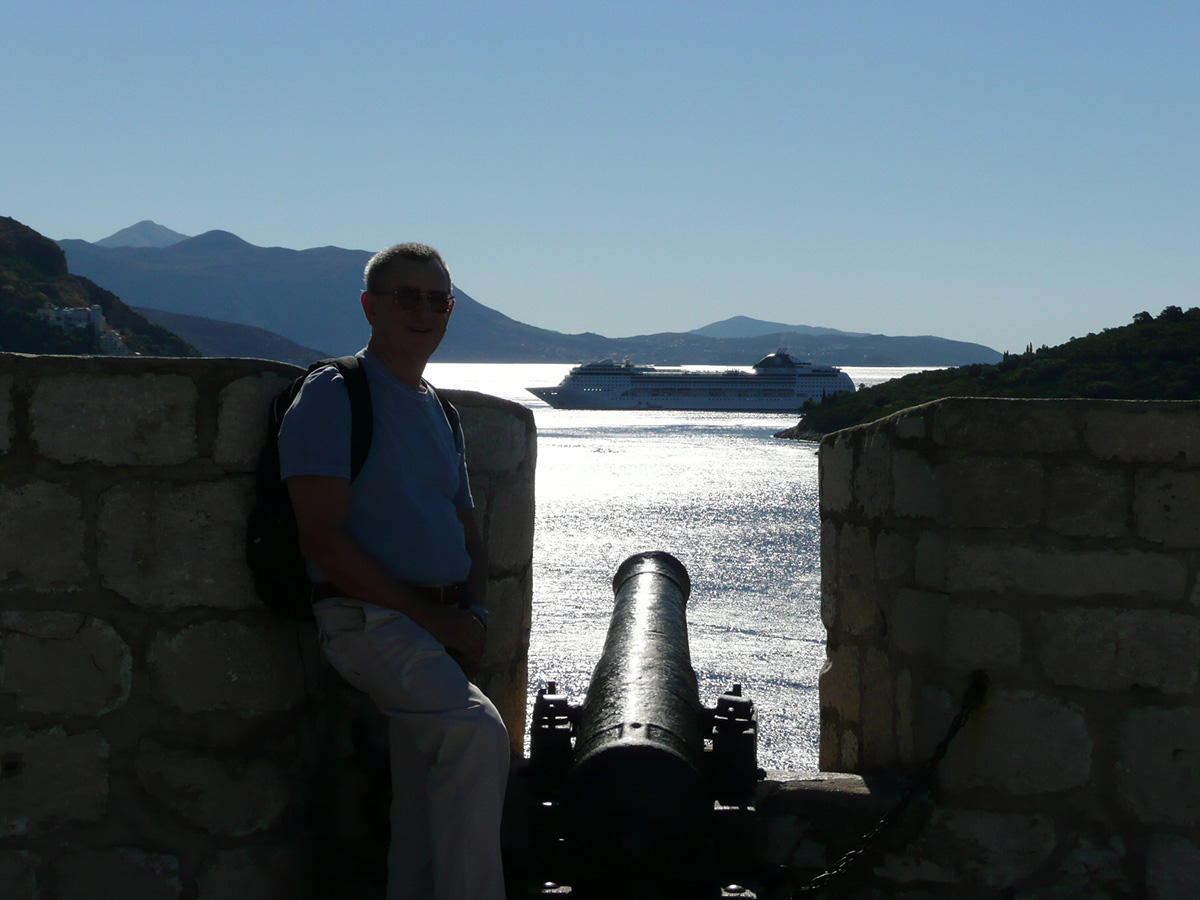
At around 10 am, cruise ships deliver hordes of visitors to the Old Town, so try to get there early. Check the times the walk opens and closes. They vary by season.
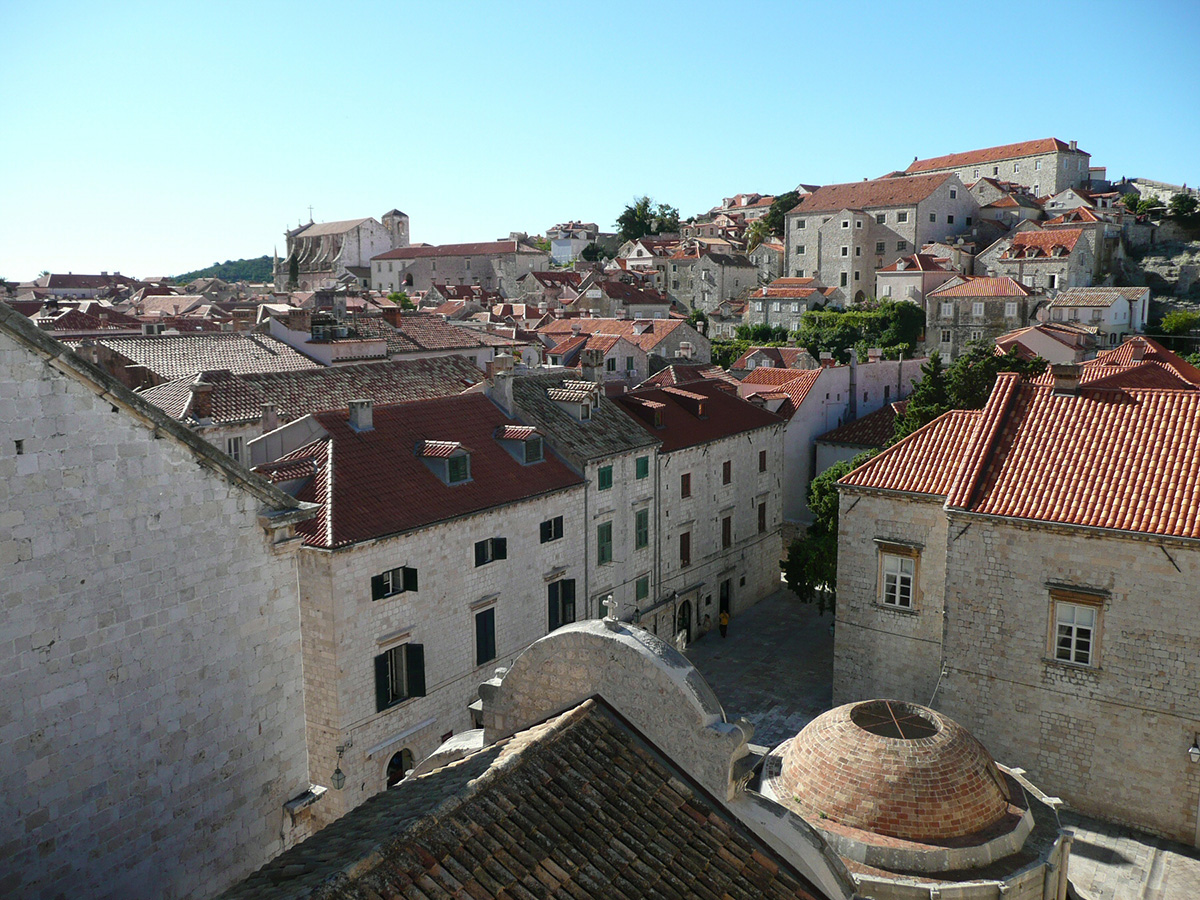
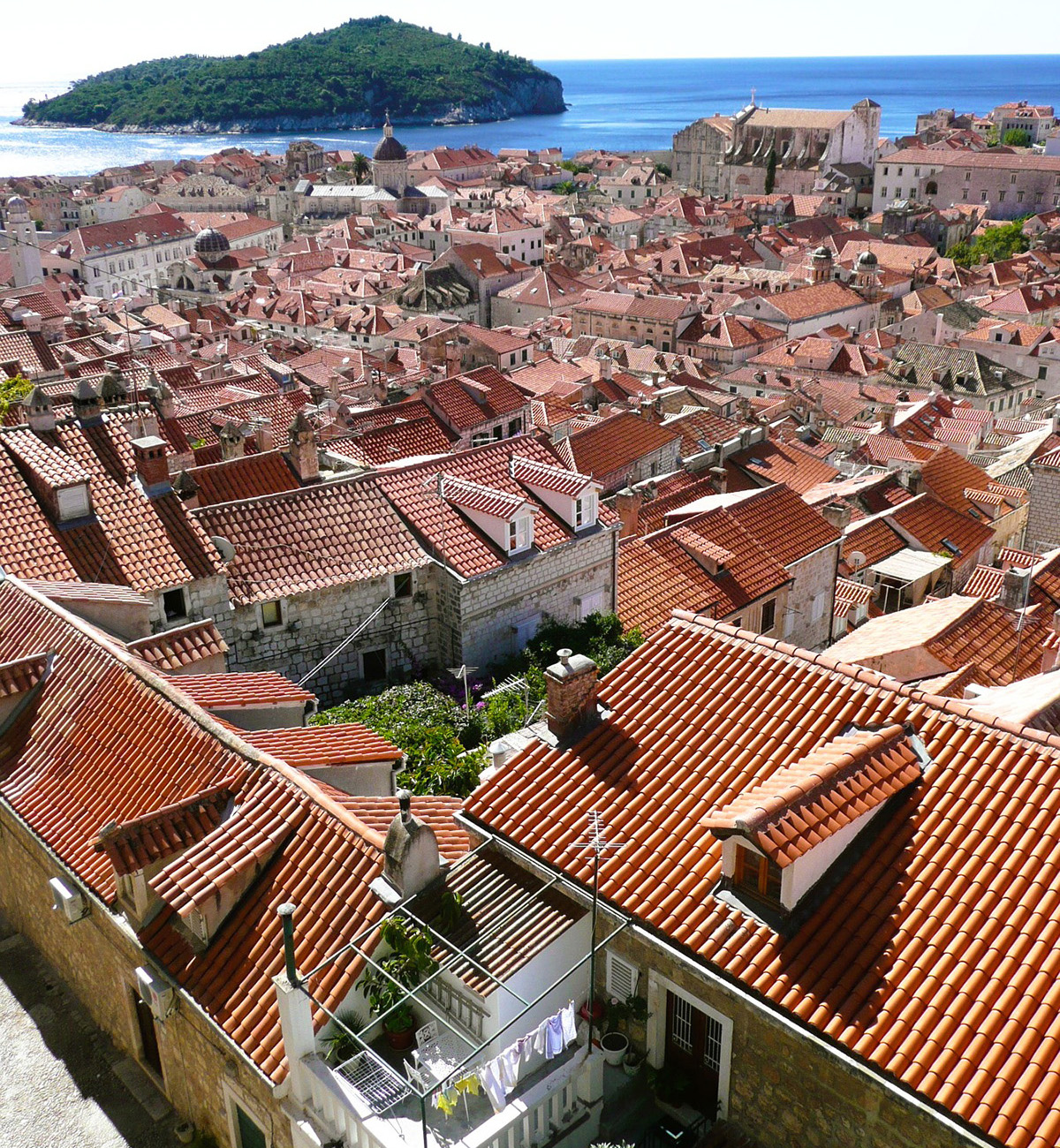
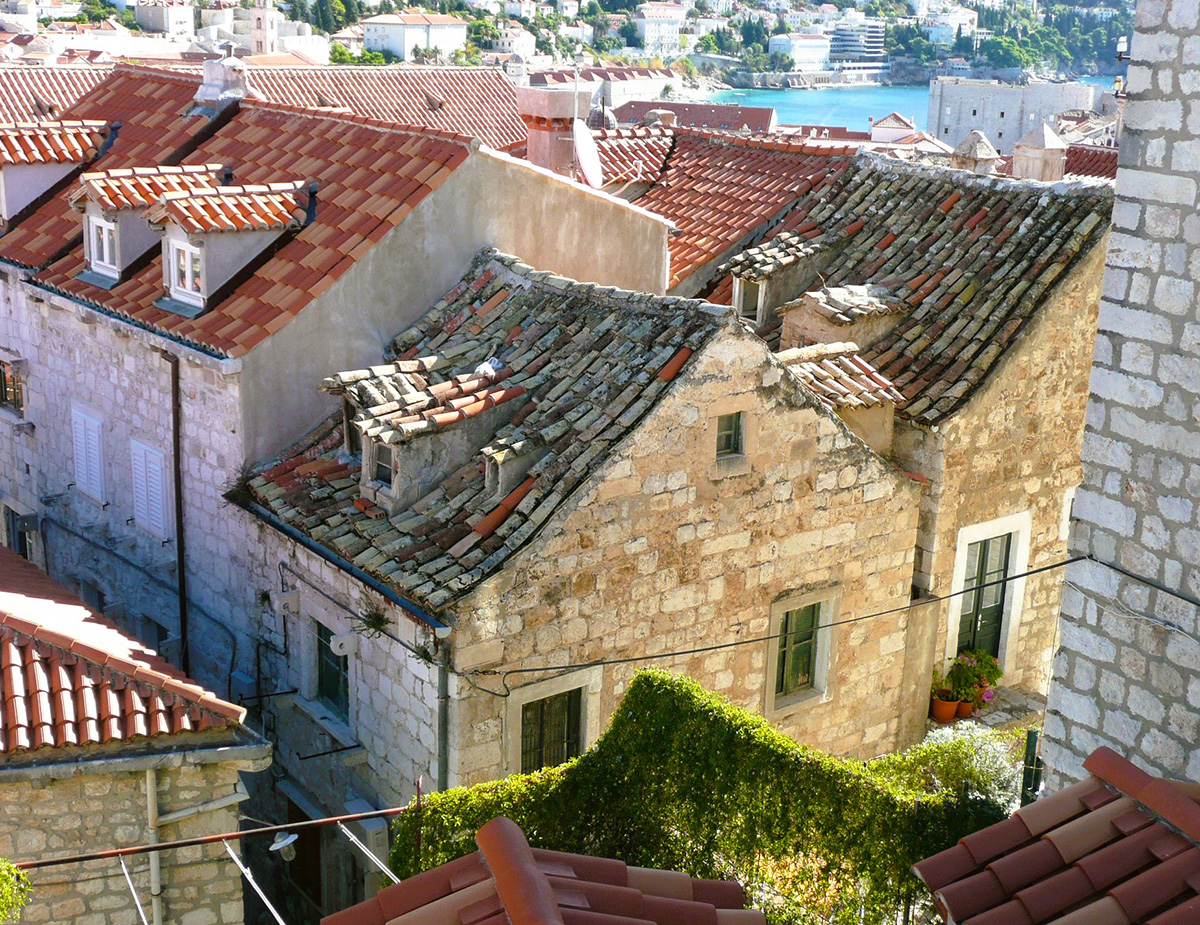
Highlights of The Wall Walk are the hundreds of red roofs that spread out in all directions. The old original ones have an enchanting beauty. They’re rustic, worn, and colored from their years of exposure to the elements. Unfortunately, the shelling during the Siege of Dubrovnik (1991-1992) destroyed or damaged many of the Old Town’s original terra cotta roof tiles. The new ones are much brighter and more uniform.
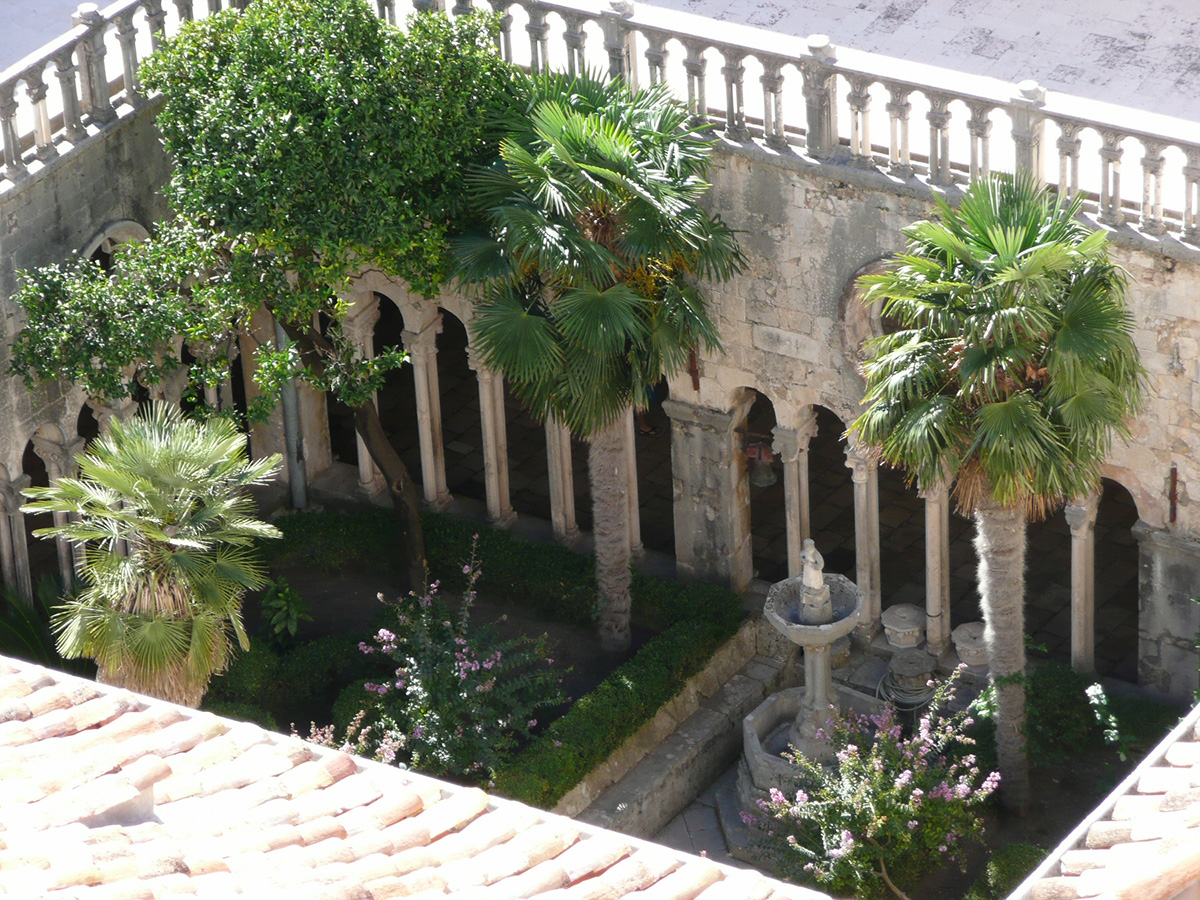
Not to be missed is the view from the walls into the cloister of the 14th-century Romanesque Franciscan Monastery. It has a garden in its midst where an oasis of flowers, palm trees, and rich greenery thrives. The garden is surrounded by 120 slim, elegant Romanesque and Gothic-style columns. The monastery is famous for its pharmacy, dating back to the early 14th century, and its library, which houses thousands of manuscripts and scientific books.
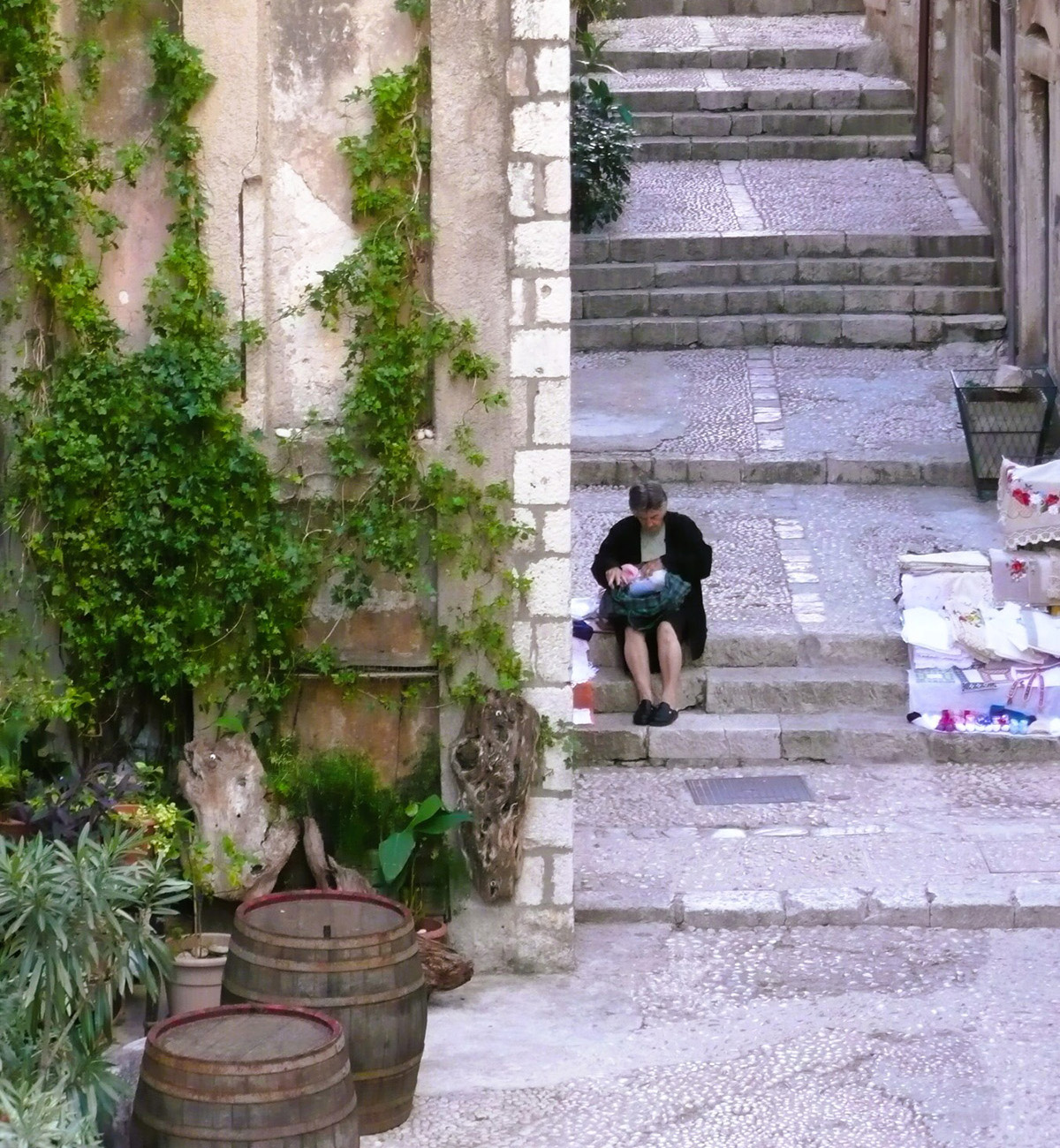
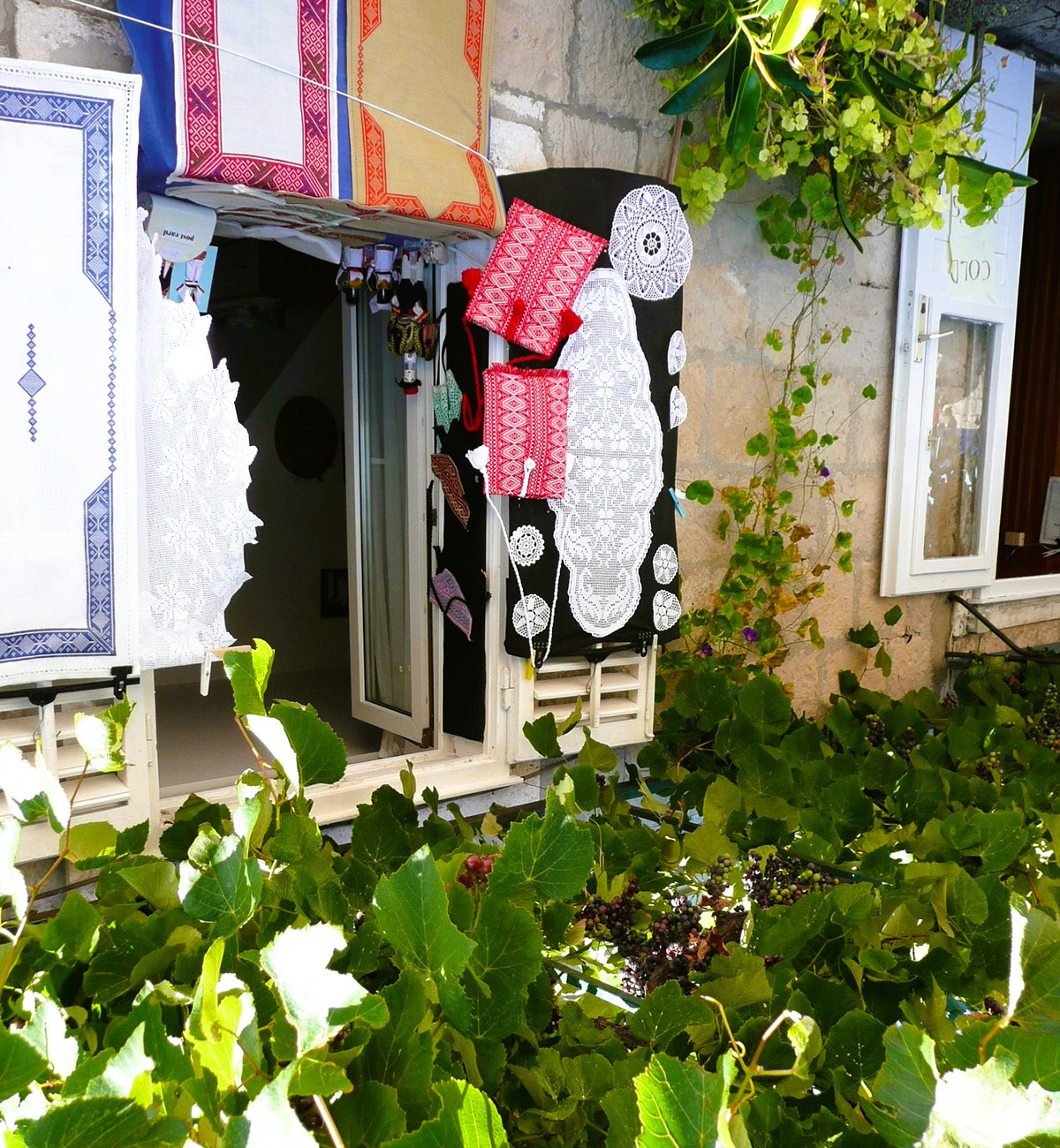
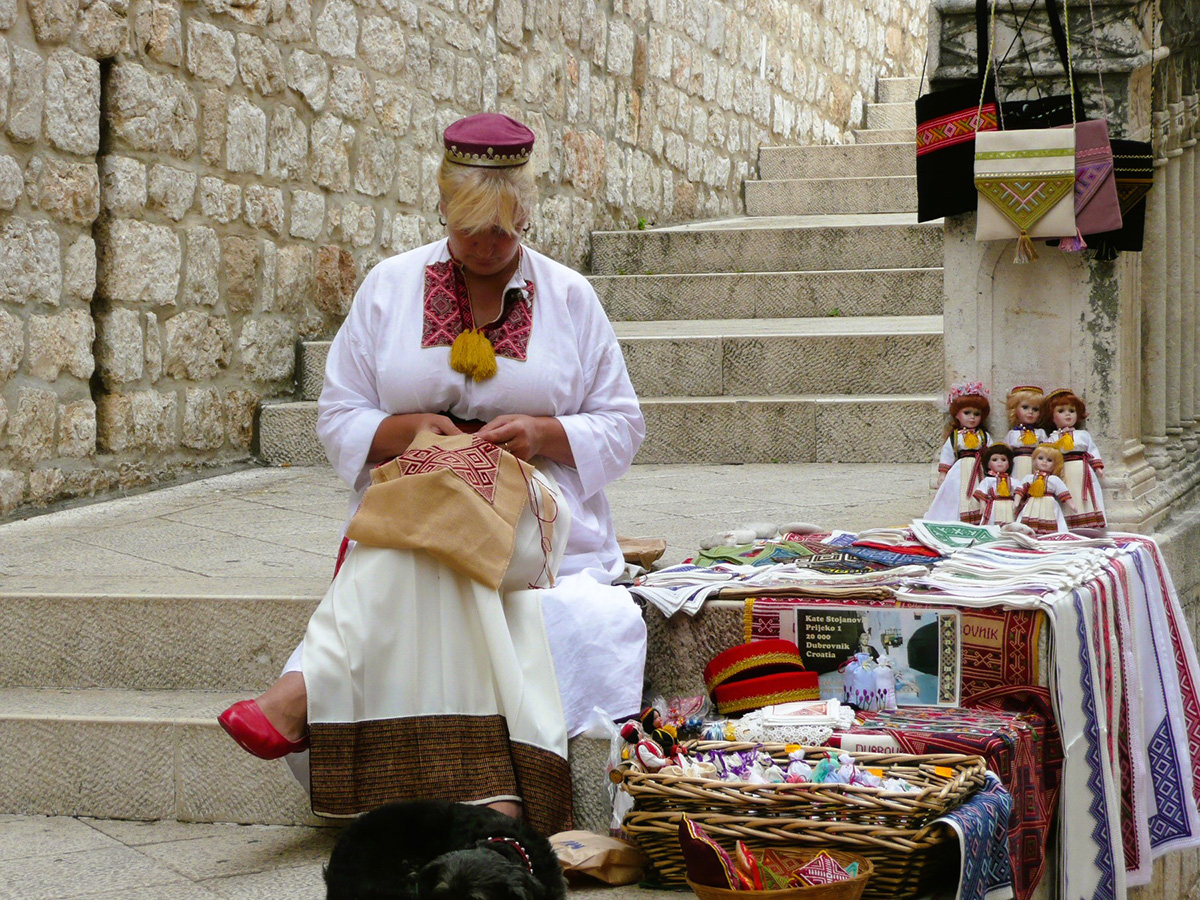
When you descend from your walk around the wall, stroll the old narrow streets. You may come across women sitting on the wide steps engrossed in their embroidery, or setting out their handmade embroidered items for the day.
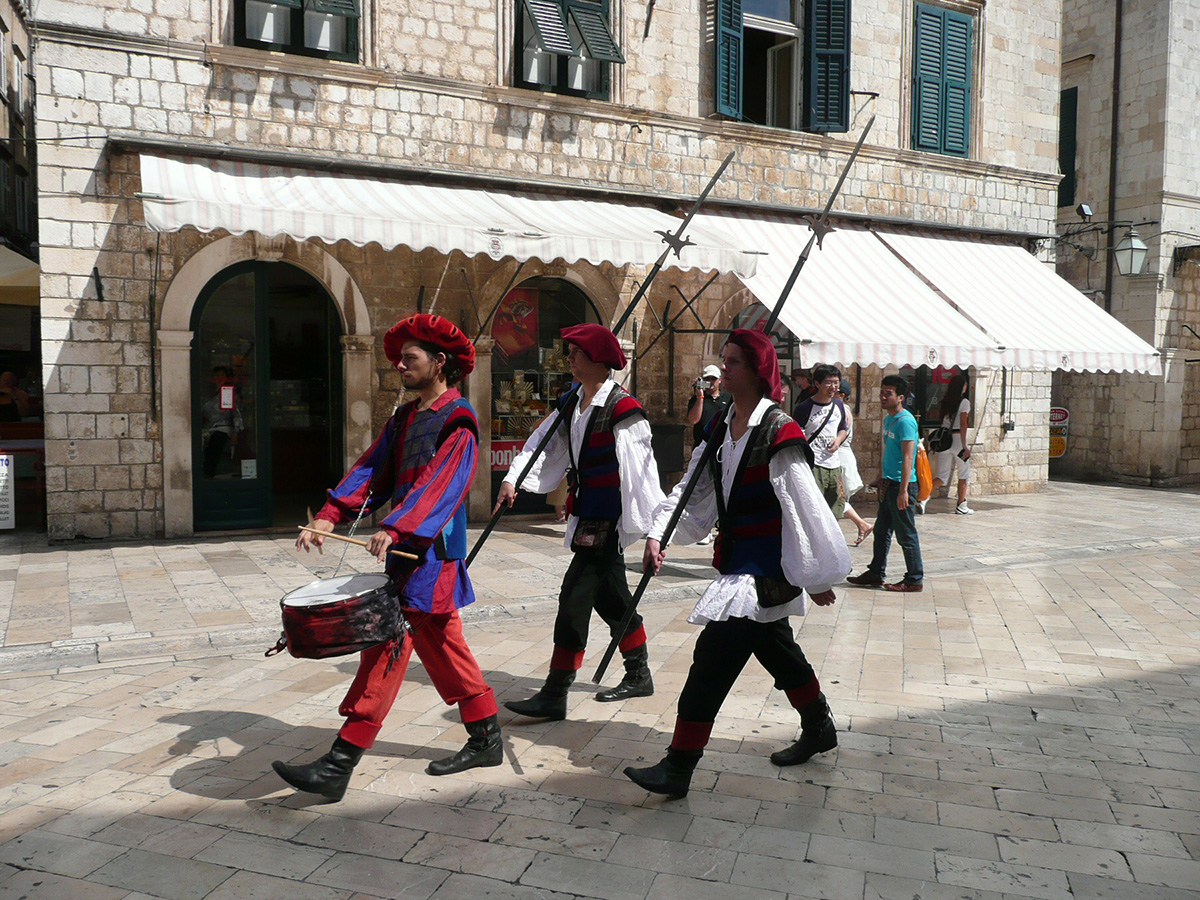
Find out the schedule for the “Changing of the Guards,” when they don historical uniforms that emulate the soldiers of the revered former Republic of Regusa. The aristocratic Regusa Republic included the city of Dubrovnik, the surrounding coastal land, and several islands. It was a prominent power in the region conducting trade between Europe and the Ottoman Empire until Napoleon’s army conquered it.
In 1979 The Old City of Dubrovnik was awarded UNESCO World Heritage Site status for the preservation of its medieval architecture, fortifications, and historical importance as a major maritime power.
Dubrovnik is not just about the Old City. Visit the port, and consider staying in Lapad Bay – the Dubrovnik Riviera, three kilometers from the Old Town.
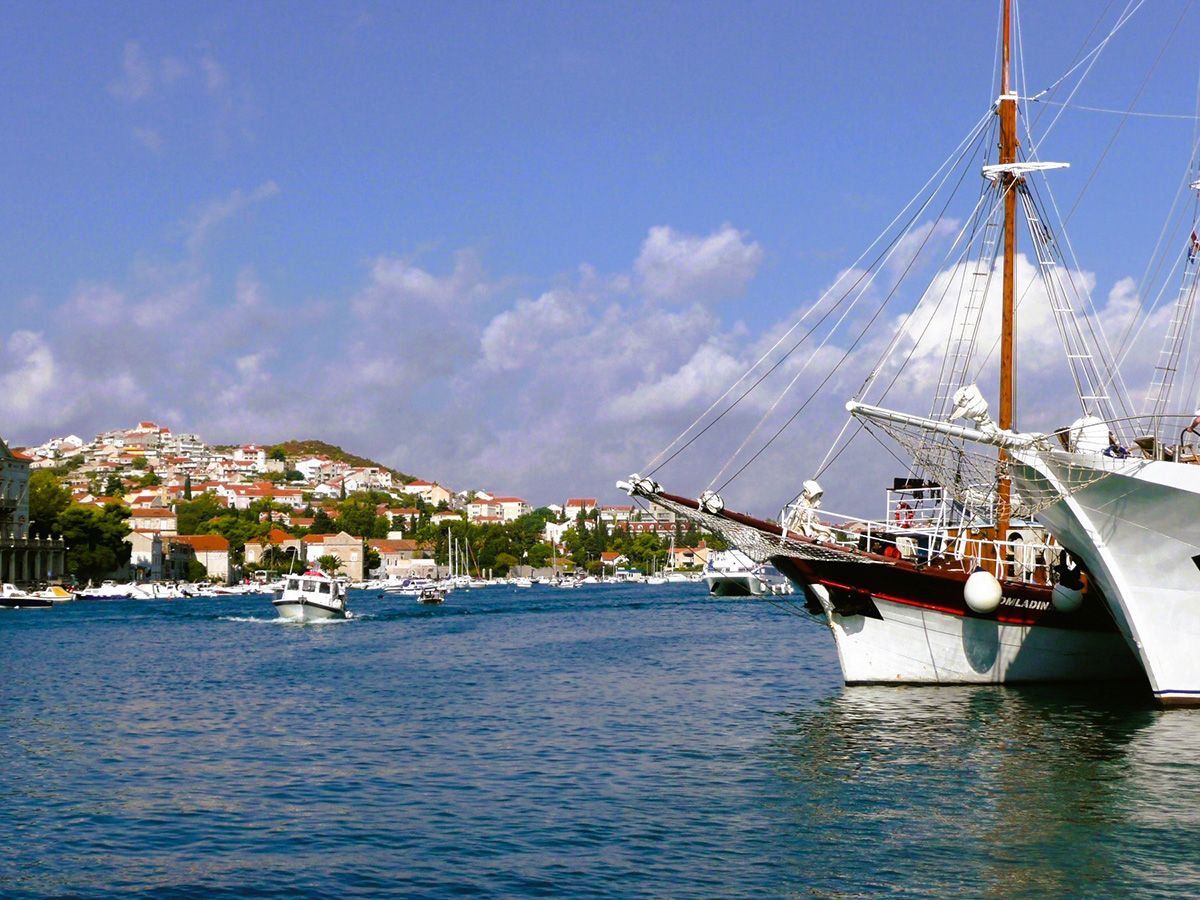 The Port.
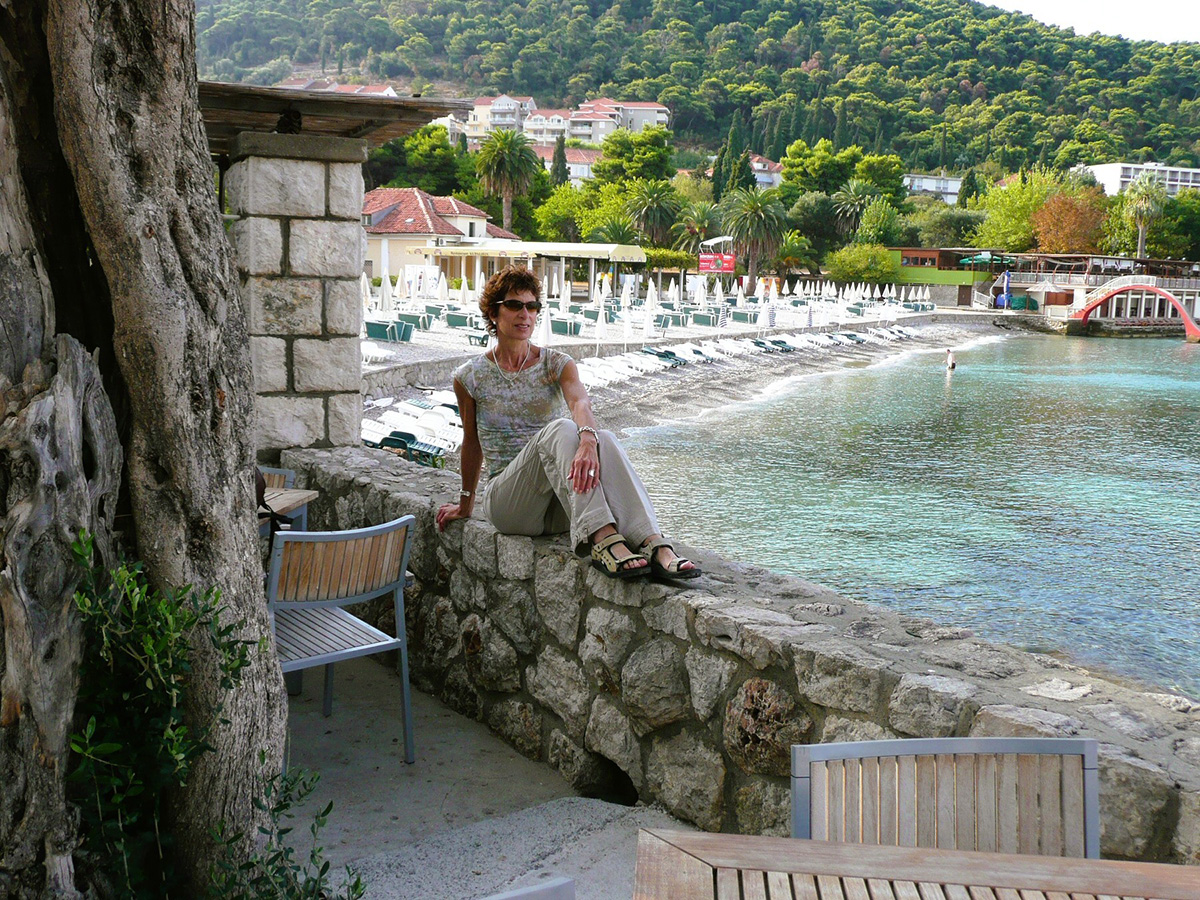 Lapad Bay.
We chose Hotel Zagreb, a refurbished 19th-century villa. It has immaculately landscaped gardens and is just a few minutes’ walk from Lapad Beach. Lapad is also famous for its unique Cave Bar, located underneath Hotel More. This natural, illuminated cave-bar serves drinks and snacks both inside the cave and on an outdoor terrace for those who may be claustrophobic.
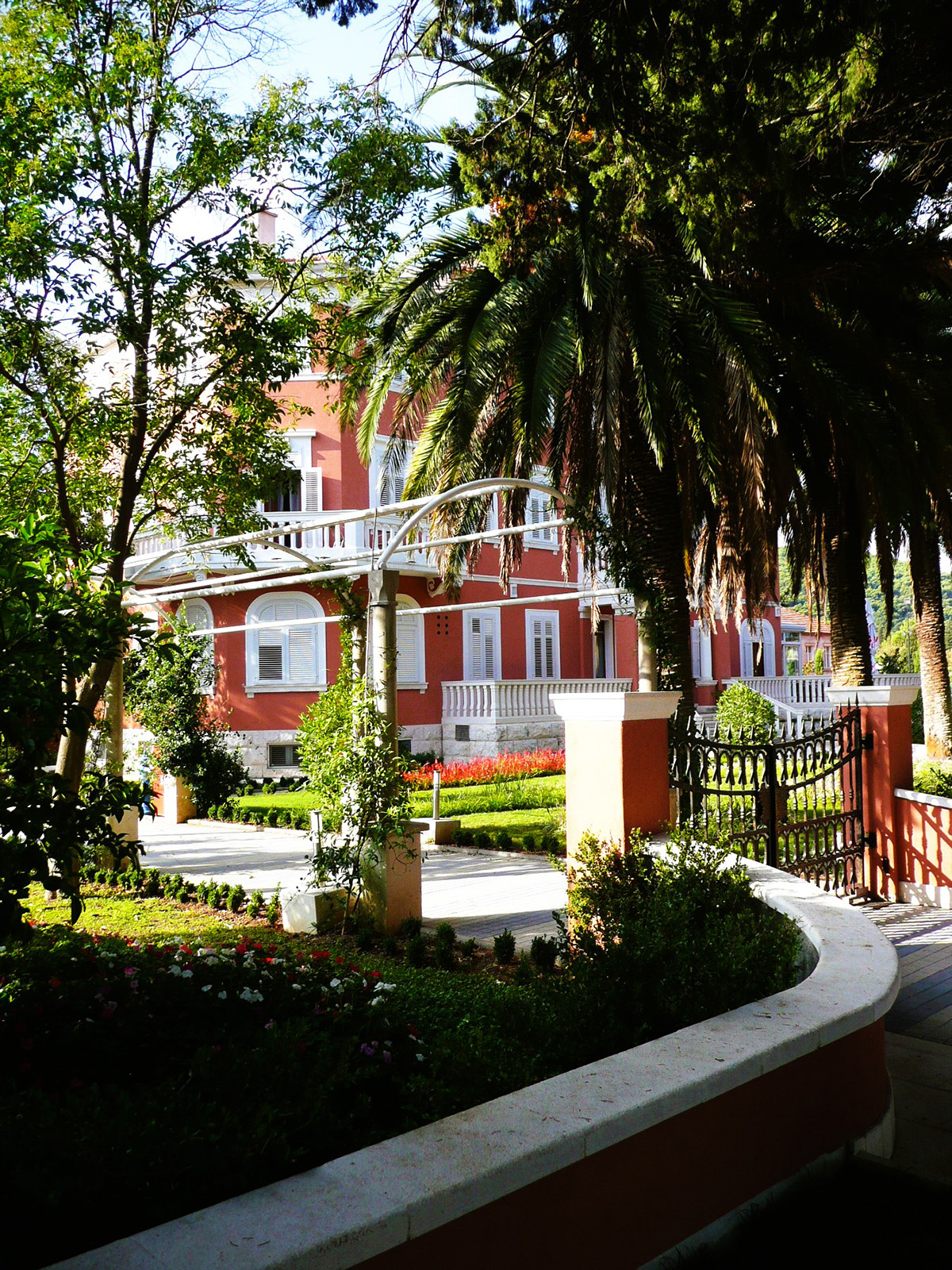
*Spend about three nights in Dubrovnik.